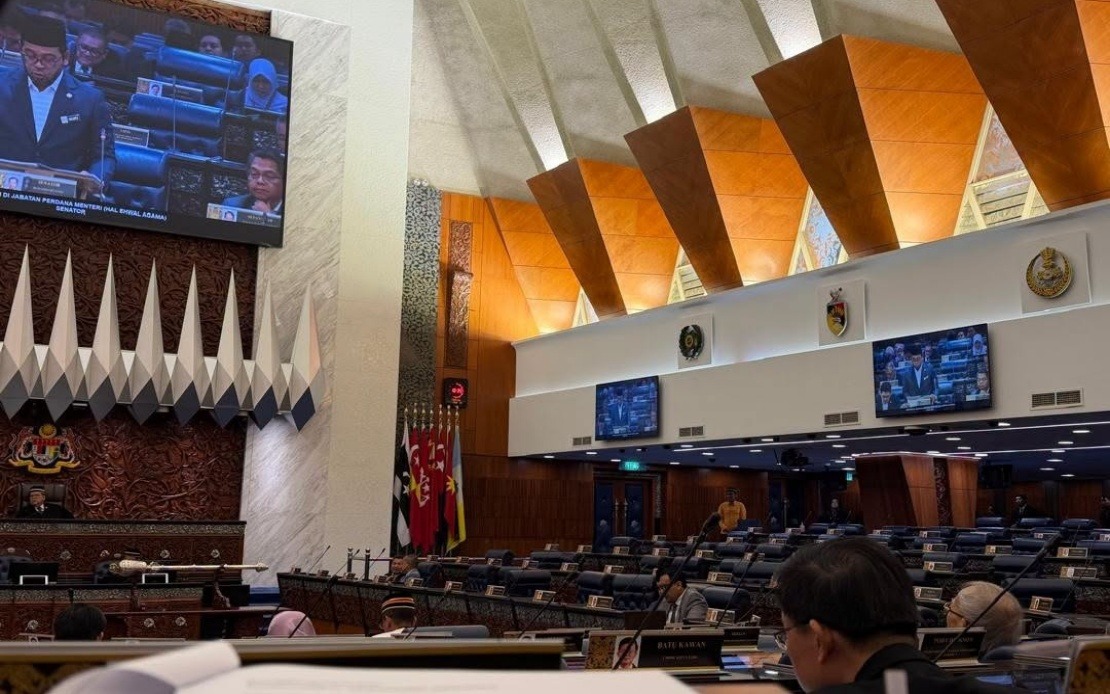
The opposition's decision to boycott a special parliamentary session examining the Tabung Haji Royal Commission of Inquiry findings has drawn sharp criticism from the government benches, with claims that the walkout reveals a fundamental lack of commitment to substantive debate on the matter. Datuk Seri Dr Zaliha Mustafa, chairman of the MADANI Government Backbenchers Club and Sekijang MP, characterised the opposition's protest as deeply disappointing, particularly given that Parliament had provided an ideal forum for challenging, questioning and debating every aspect of the RCI findings on the state pilgrimage fund's management.
The opposition MPs staged their departure from the chamber before Minister in the Prime Minister's Department for Religious Affairs Dr Zulkifli Hasan was scheduled to brief parliamentarians on the report's conclusions. Their objection centred on Speaker Tan Sri Johari Abdul's decision to proceed with the special sitting despite the absence of Prime Minister Datuk Seri Anwar Ibrahim and Deputy Prime Minister Datuk Seri Fadillah Yusof, both of whom are undergoing medical treatment. Perikatan Nasional's chief whip Datuk Seri Takiyuddin Hassan had proposed postponing the session to allow for their attendance, but the speaker ultimately declined to defer the proceedings.
Dr Zaliha's critique extends beyond the immediate parliamentary incident to challenge what she perceives as a broader inconsistency in opposition rhetoric. She highlighted the contradiction between their frequent public assertions about defending Islamic principles and the interests of Malaysian Muslims, and their withdrawal from a parliamentary platform specifically designed to examine how Tabung Haji—a crucial financial institution serving over 3 million Muslim depositors—has been managed and overseen. The timing of the walkout, occurring during deliberations on the stewardship of depositors' funds in a religiously significant institution, added particular sting to her remarks.
The government backbencher argued that opposition members genuinely committed to safeguarding Muslim welfare should have remained in the chamber to engage substantively with the RCI findings. Rather than staging a walkout, she contended, the opposition should have deployed factual arguments and evidence-based rebuttals to challenge any disputed conclusions or government decisions. This approach would have allowed them to either defend particular positions or demand clarification on specific governance matters without abandoning the parliamentary arena entirely.
Dr Zaliha's statement raises important questions about parliamentary conduct and the nature of opposition responsibility in Malaysia's democratic system. The Tabung Haji issue carries significant weight not merely as a political matter but as a question directly affecting the financial security of millions of ordinary Malaysians saving for the Islamic pilgrimage. The funds at stake represent genuine savings and aspirations, making the debate about the fund's management a substantive policy concern rather than a minor parliamentary procedural disagreement.
The walkout reflects ongoing tensions between the government coalition and opposition regarding parliamentary procedures and the conditions under which formal sessions proceed. The absence of the Prime Minister and Deputy Prime Minister—both serving leaders addressing health matters—created a situation where opposition figures felt the session lacked sufficient representation from the executive. However, the government's counter-argument suggests that such absences should not prevent Parliament from fulfilling its legislative and oversight functions, particularly when the matters under discussion are consequential.
From a broader governance perspective, the incident highlights recurring challenges in Malaysian parliamentary politics regarding how opposition and government navigate procedural disagreements without compromising substantive debate. Parliamentary walkouts and boycotts remain potent protest tools, but they risk ceding the parliamentary floor to government voices without advancing alternative narratives or challenging specific findings. The opposition's absence meant that government interpretations of the RCI report went largely uncontested within the formal parliamentary record.
For Malaysian Muslim depositors in Tabung Haji, the parliamentary stalemate represents a missed opportunity for comprehensive public debate about the fund's governance, the RCI's findings, and proposed reforms. The fund's stability and management practices directly influence whether millions of Malaysians can reliably save for their pilgrimage aspirations, making parliamentary scrutiny a matter of genuine public interest rather than mere political theatre. The opposition's decision to absent themselves from this debate means their constituents lack a formal parliamentary record of their engagement with these issues.
Dr Zaliha's challenge to the opposition also carries an implicit question about accountability and consistency in political messaging. Opposition parties regularly frame their criticism of government policies around protecting Islamic principles and Muslim interests, yet their parliamentary absence suggests a willingness to forgo formal institutional spaces where such protection could be institutionally documented and debated. This apparent contradiction between rhetorical positioning and concrete parliamentary engagement forms the substantive core of her critique.
The political dynamics surrounding the Tabung Haji RCI debate reflect deeper questions about how Malaysia's parliament functions when government and opposition face procedural disagreements. Both sides can justify their positions: the opposition wanted full executive representation, while the government asserted that parliamentary operations should continue regardless of temporary absences due to medical matters. However, the consequence of this disagreement—the absence of robust opposition engagement with the RCI report during the formal parliamentary sitting—affects public discourse and institutional memory regarding an important policy matter.
Moving forward, the incident underscores the need for clearer parliamentary conventions regarding how sessions proceed during executive absences and how opposition parties can formally register procedural objections while maintaining substantive engagement with policy matters. For Malaysian depositors and citizens interested in transparent governance of significant public institutions, the parliamentary record will reflect only government and backbench commentary on the Tabung Haji RCI findings, lacking the formal contribution that opposition scrutiny would have provided.

