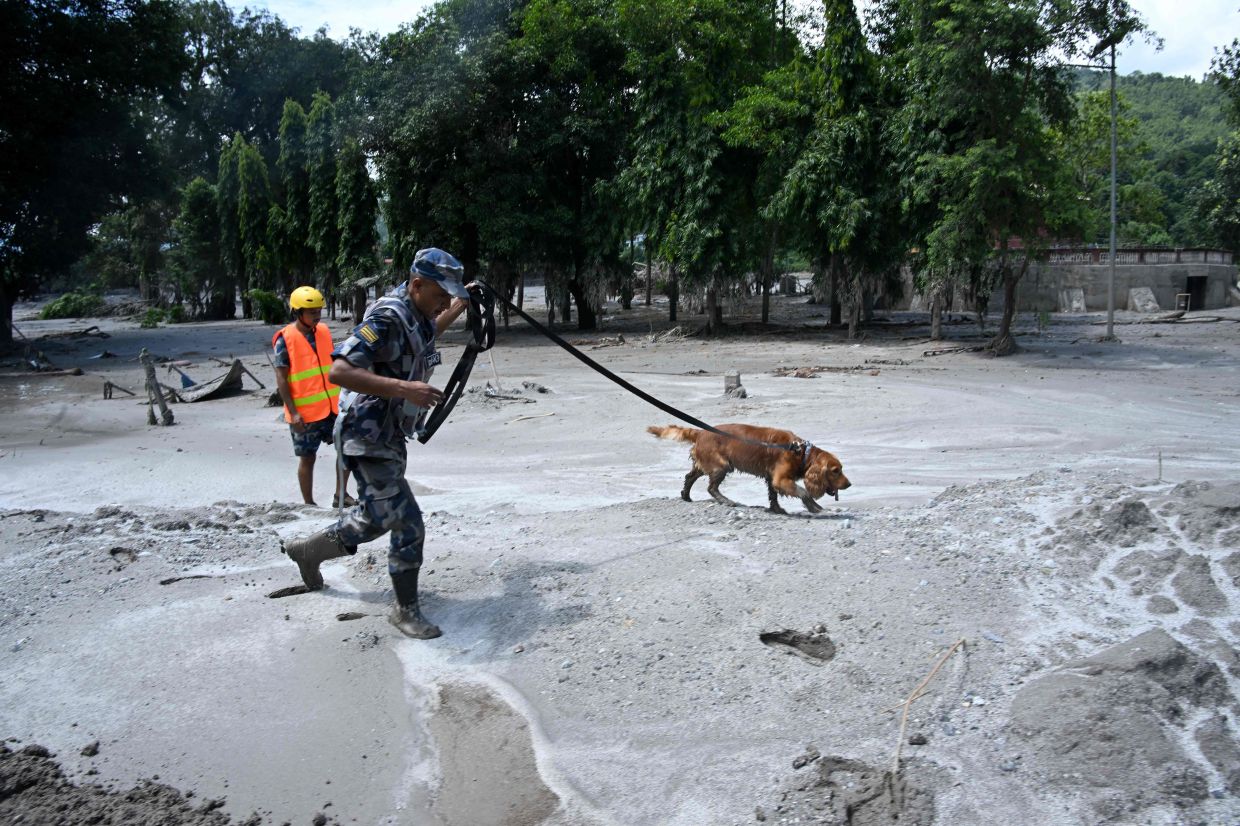
Catastrophic flash flooding and landslide activity along the Nepal-Tibet frontier has claimed 392 lives while leaving more than 1,400 individuals missing across both sides of the border. The twin disaster struck with little warning, affecting border communities and catching many tourists in high-risk areas. Authorities in both Nepal and China are engaged in intensive search and rescue operations, though the rugged terrain and ongoing weather challenges are hampering efforts to locate survivors and recover bodies.
The scale of the human toll remains fluid, with officials acknowledging that missing person counts are likely to shift as rescue operations continue. This volatility is typical in the immediate aftermath of large-scale disasters, where bodies are recovered and matched with official registries, some individuals turn up in unexpected locations having fled the affected zones, and administrative confusion inevitably occurs during the chaotic response phase. Dual nationals present particular counting challenges, as their names may appear on multiple missing person lists maintained by different governments.
Nepal's disaster management agency reported 910 unaccounted individuals on Thursday, of whom at least 517 are foreign nationals representing dozens of countries. The agency has not yet released a comprehensive breakdown showing which nations these foreigners represent, complicating efforts by foreign governments to account for their citizens. Chinese authorities separately reported 558 missing persons on their side of the border, including 260 foreigners. This bifurcated accounting means the combined total across both territories stands at 1,468 missing individuals, though some double-counting between jurisdictions may occur.
Malaysian travellers have been significantly impacted by the disaster. Prime Minister Anwar Ibrahim disclosed on Thursday that more than 50 Malaysians in Nepal have become unreachable since the floods struck, a figure confirmed by Nepal's Tourism Board at 51. The incident underscores the risks that adventure tourists and trekkers face in mountain regions of South Asia, particularly during monsoon season when flash flooding poses severe hazards. Malaysian authorities have been liaising with Nepali counterparts to identify and assist affected citizens.
Among the numerous affected nations, India has reported 178 missing nationals, according to the Tourism Board's latest count, though eleven have been successfully rescued. American authorities face particular uncertainty regarding their citizens, with the State Department initially confirming 90 US nationals missing while noting that three had been rescued and no American fatalities were confirmed at the time of reporting. However, Nepal's Tourism Board offered a different figure of 65 unaccounted Americans earlier the same day, suggesting ongoing discrepancies between government agencies tracking the same populations.
Ukraine has identified 56 citizens listed as out of contact, yet emphasised on Thursday evening that no Ukrainians had been confirmed among the injured or deceased at that point. Canada's situation remains ambiguous, with Foreign Minister Anita Anand stating awareness of 30 Canadians and permanent residents whose whereabouts remain unconfirmed, exceeding the Tourism Board's count of 25. Australia's toll climbed to 39 missing nationals according to Foreign Minister Penny Wong, while British authorities documented 33 unaccounted citizens.
The disaster has also affected workers on development projects in the region. South Korea's foreign ministry reported that nine hydropower workers were missing in Rasuwa district, though the Tourism Board subsequently noted that four South Koreans had been rescued. This subset of casualties highlights the vulnerability of migrant workers employed on infrastructure projects in remote mountainous areas where evacuation routes are limited and communication systems may be compromised during environmental emergencies.
Smaller numbers of missing nationals have been reported from additional countries including nine Singaporeans, eight Germans, eight Russians (with two rescued), six South Africans, six Latvians, five Japanese, five New Zealanders, and four French nationals. New Zealand authorities provided independent confirmation matching the Tourism Board figures. The geographic spread of missing persons reflects Nepal's status as a major international tourism destination, where trekking expeditions and mountaineering expeditions regularly attract visitors from wealthy nations worldwide.
China's foreign ministry separately stated that nearly 100 Chinese nationals were among missing persons, a figure substantially higher than Nepal's Tourism Board estimate of 24 unaccounted Chinese visitors. This discrepancy may reflect different methodologies or definitions of who qualifies as missing, though Chinese authorities may possess better information regarding their own citizens given the proximity of Tibetan areas to China's administrative systems. The divergence underscores coordination challenges when disasters span international boundaries and multiple government agencies manage separate casualty accounting systems.
For Southeast Asian nations, this catastrophe represents a sobering reminder of the risks inherent in disaster-prone mountainous regions. Malaysia's significant representation among missing persons—second only to India and China—reflects the country's growing outbound tourism sector and popularity of Nepal among Malaysian trekkers seeking high-altitude adventure experiences. The incident may prompt travel advisories and increased awareness campaigns among regional travellers regarding seasonal weather hazards and appropriate safety precautions when visiting Himalayan areas during monsoon months.
Rescue operations continue in extremely challenging conditions, with debris-choked valleys and ongoing geological instability complicating search efforts. The final casualty toll and missing person count will likely stabilise only after several more days of intensive searching and as bodies are recovered, identified, and matched with missing person registries. International coordination mechanisms, while imperfect, have enabled reasonably rapid information sharing among affected governments despite the border complications and language barriers involved.

