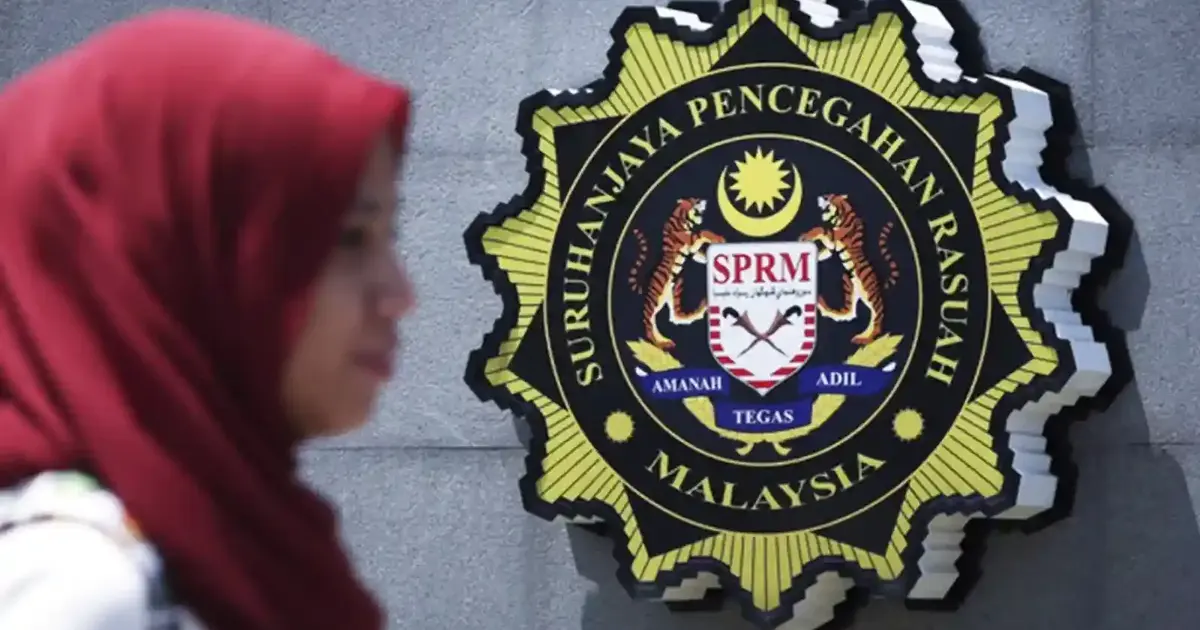
The Malaysian Anti-Corruption Commission has announced a sweeping enforcement operation targeting systematic fraud within Perkeso, the nation's social security scheme for private sector workers. The authority has identified over 100 suspects implicated in the scheme and plans to bring charges against all of them, marking a significant escalation in combating misuse of the welfare programme that serves millions of Malaysian employees.
As of the announcement date, the MACC has successfully prosecuted 29 of these suspects across several states throughout the country. These early charges represent the initial phase of what officials describe as a comprehensive investigation into fraudulent claims submitted to the statutory body. The geographic spread of prosecutions indicates the extent of the suspected misconduct, which appears to affect multiple jurisdictions rather than being confined to a single region.
Perkeso, officially known as the Social Security Organisation, administers crucial benefits for private sector workers including disability allowances, employment injury coverage, and rehabilitation services. The scheme is financed through employer and employee contributions, making fraudulent claims a direct drain on resources intended for legitimate beneficiaries. False claims undermine the financial sustainability of the system and erode public confidence in the institution's integrity.
The investigation represents a notable escalation in the MACC's focus on welfare fraud, an area that has historically received less attention than corruption in public procurement or high-level political offences. The commission's decision to pursue charges systematically suggests institutional recognition that welfare fraud constitutes a serious breach affecting vulnerable workers and the broader social safety net. This shift in enforcement priorities reflects international best practices where anti-corruption agencies expand their remit beyond traditional political corruption.
Fraud within Perkeso typically involves falsifying employment records, inflating claim amounts, or submitting duplicate claims across multiple branches. Some schemes have involved collusion between company officials and claimants, while others centre on misrepresentation of injury severity or employment status. The breadth of suspects identified suggests multiple fraud methodologies rather than a single coordinated scheme, indicating systemic vulnerabilities in the claims verification process.
For Malaysian workers relying on Perkeso benefits, the enforcement action carries mixed implications. While cracking down on fraudulent claims protects the financial health of the scheme and ensures legitimate beneficiaries receive appropriate support, the operation also highlights weaknesses in administrative controls that allowed such widespread deception. Strengthening verification procedures and technological safeguards will require investment that could affect processing times and service delivery in the short term.
The prosecution of 29 suspects across multiple states demonstrates the MACC's capacity to coordinate complex investigations spanning different jurisdictions. Each state prosecution involves navigating distinct legal procedures and court systems, a logistical challenge that has apparently been managed successfully. The continued identification of additional suspects suggests ongoing investigation rather than a concluded operation, indicating that the final charge tally may exceed the initial 100 figure.
International observers have noted that welfare fraud in developing economies often reflects limited technological infrastructure for verification rather than organised criminal enterprise alone. Malaysia's experience appears consistent with this pattern, where manual claim processing and limited cross-checking between government databases create opportunities for both deliberate fraud and administrative error. Addressing these vulnerabilities requires not only prosecution but also systematic modernisation of Perkeso's administrative systems.
The announcement comes amid broader government initiatives to enhance institutional accountability and reduce leakage from public funds. The MACC's expanded focus on welfare fraud aligns with fiscal sustainability concerns, as Malaysia seeks to maintain social protections while managing government expenditure. Every ringgit recovered through fraud prevention represents resources that can be redirected to legitimate beneficiaries or broader development priorities.
For businesses and employers involved in Perkeso contributions, the enforcement operation underscores the legal and compliance risks associated with false claims. Company officials implicated in collusive schemes face not only MACC action but also potential charges under employment laws and potentially criminal breach of trust provisions. This multi-layered liability creates strong incentives for corporate compliance with contribution and claims procedures.
The prosecution timeline for the remaining suspects will likely extend over months or potentially years, as courts process individual cases through Malaysia's judicial system. This prolonged timeline reflects both the volume of cases and the complexity of assembling evidence for fraud prosecutions. Early convictions may accelerate subsequent cases by establishing legal precedents and demonstrating investigative methodology.
For policymakers, the investigation highlights the necessity of resource allocation toward Perkeso administrative modernisation. Digital verification systems, biometric authentication, and integration with other government databases could substantially reduce fraud vulnerability while improving processing efficiency. These infrastructure investments, though costly initially, generate long-term savings through fraud prevention and administrative cost reduction.
The MACC's commitment to pursuing all identified suspects signals determination to address welfare fraud as a policy priority. This sustained enforcement effort, combined with the magnitude of suspects identified, suggests Perkeso fraud may represent a larger problem than previously understood. Subsequent reforms to administrative procedures and investigative resources will likely follow these prosecutions, reshaping how Malaysia's crucial social security scheme operates and protects its beneficiaries going forward.

