Seremban has been designated as the focal point for preparations surrounding Negeri Sembilan's 16th state election, with authorities confirming that 22,339 security personnel and their dependents will exercise their voting rights during an early polling window on July 28. The figure encompasses both uniformed and civilian staff from the state's police and military contingents, representing a significant mobilisation of the nation's security apparatus during this electoral period.
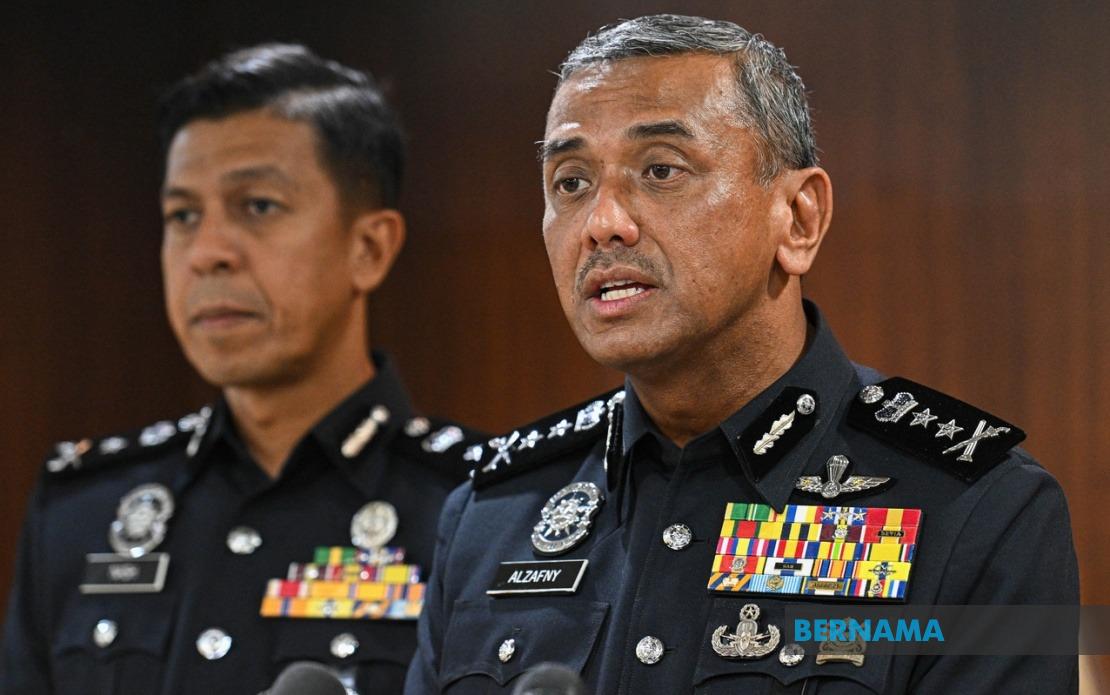
The Negeri Sembilan police chief, Datuk Alzafny Ahmad, broke down the participating numbers during a press conference, noting that the Royal Malaysia Police contributed 5,455 eligible voters from the state contingent. The Malaysian Armed Forces component accounts for the remaining 16,884 individuals, which includes serving personnel as well as their spouses who meet voter registration requirements. This arrangement reflects standard electoral protocols allowing security force members to cast ballots before the official election day, ensuring operational continuity during the campaign and polling phases.
Deployment arrangements underscore the significant logistical undertaking required to facilitate the early voting exercise while maintaining electoral integrity. Approximately 1,796 officers and personnel will be stationed across designated zones on the early voting day itself, representing a substantial commitment of human resources. This deployment mirrors the broader security framework being assembled to oversee the entire electoral process, which extends from the nomination stage through to the final count.
The electoral calendar for the state has been precisely calibrated, with the Election Commission establishing clear timelines for each phase of the contest. Nomination day is scheduled for Saturday, followed by the early voting window on July 28, and culminating in general polling on August 1. Between these key dates, an estimated 2,393 personnel will maintain order during nominations, while 1,685 will be engaged throughout the campaign period itself. On polling day, authorities plan to deploy 4,788 personnel to ensure smooth operations across all voting centres statewide.
Beyond administrative arrangements, Datuk Alzafny issued pointed guidance to all participating political parties and their supporters regarding acceptable conduct during the campaign season. His remarks emphasised the need for disciplined partisan activity, with explicit warnings against rallies conducted without proper authorisation, uncontrolled supporter behaviour, and the dissemination of misleading or inflammatory content. The emphasis on maintaining public order reflects concerns that have occasionally surfaced during state-level elections in Malaysia, where passionate grassroots engagement sometimes threatens electoral harmony.
The police leadership identified several conduct areas requiring particular vigilance and enforcement. Prohibited activities include inflammatory political rhetoric, distribution of unauthorised campaign materials, incendiary statements to the media, and social media content that violates established boundaries. This regulatory framework extends to the sensitive domains of religion, race, and respect for the Royal Institution—categories that Malaysian authorities have traditionally protected from partisan exploitation during campaigns. The police position reflects a broader commitment to ensuring that electoral competition does not spill into communal friction or institutional disrespect.
Datuk Alzafny also addressed the post-election phase, reminding all stakeholders of their responsibility to accept the official results with maturity and composure. Should candidates or their representatives harbour grievances regarding the electoral outcome, he specified that recourse must flow through established legal mechanisms rather than street mobilisation or confrontational tactics. This emphasis on institutional remedy reflects awareness that contested election results, if mishandled, can escalate into situations threatening national stability and public tranquillity.
For Malaysian readers tracking regional political developments, Negeri Sembilan's state election holds particular significance as an indicator of voter sentiment in one of the nation's smaller but politically active states. The deployment of such substantial security resources, whilst routine for Malaysian elections, illustrates the seriousness with which authorities approach the conduct of democratic exercises. The concentration of 22,000 security voters in a single early polling window demonstrates how armed forces and police, themselves significant electoral participants, are integrated into the nation's democratic processes through carefully sequenced voting arrangements.
The explicit warnings issued by police leadership suggest that past conduct during campaigns may have prompted tighter messaging and enforcement postures. Malaysian electoral history includes instances where state and parliamentary contests generated heated partisan engagement that occasionally breached accepted norms. By articulating precise boundaries regarding social media content, campaign materials, and public advocacy, authorities are attempting to channel competition into constructive rather than divisive directions. For candidates and party operatives, the guidance provides clear parameters for acceptable activity throughout the campaign period.
The Election Commission's scheduling reflects operational experience accumulated across multiple electoral cycles. By separating nomination from early voting and then general polling across a five-day span, officials create manageable administrative windows whilst allowing security personnel continuity. This staggered approach has become standard practice in Malaysian elections, ensuring that the state's protective apparatus is never wholly consumed by electoral duties whilst simultaneously enabling voting participation among those bound by service commitments.
For the broader electorate and Malaysian political observers, the Negeri Sembilan contest represents another test of the nation's capacity to conduct competitive, orderly democratic exercises. The heavy police and military involvement in preparing infrastructure, securing polling locations, and regulating campaign conduct reflects Malaysia's institutional approach to elections—one that combines democratic principle with robust state oversight. Whether political parties and their supporters heed the guidance provided by Datuk Alzafny will substantially influence whether the August 1 polling day unfolds without incident.

