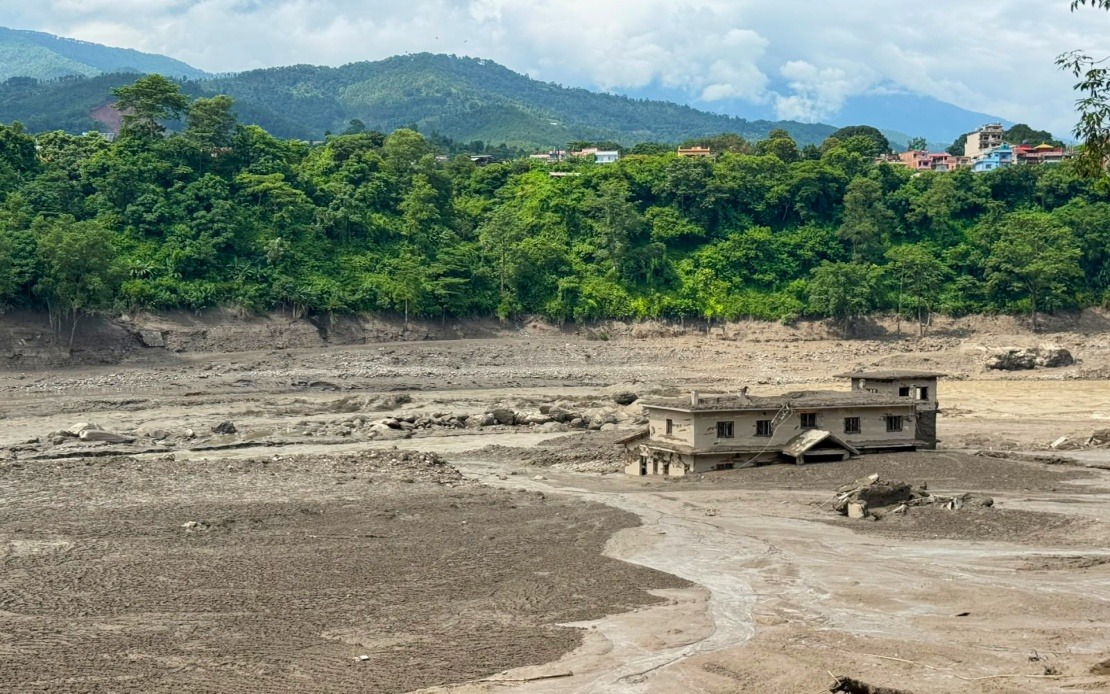
A major humanitarian crisis has unfolded in Nepal following devastating floods that have left more than 380 tourists unaccounted for, according to the Nepal Tourism Board. The disaster has drawn international attention as search and rescue operations continue across the affected regions, with authorities coordinating efforts to locate the missing visitors and trekkers who were caught in the flooding.
The Nepal Tourism Board released a statement confirming that 384 travellers have been reported missing in the aftermath of the floods, comprising 291 foreign nationals and 93 Nepali citizens. The board emphasized that this preliminary count was compiled through direct reports received from tourism operators and travel companies working in the affected areas. Officials stressed that the figures remain fluid as information is continuously being verified and cross-referenced with travel agencies, local guides, government authorities, and security forces deployed for the rescue operation.
The composition of missing persons reveals the global reach of Nepal's trekking and tourism industry. Among the foreign nationals, more than 100 are Indian citizens, making India the country with the highest number of unaccounted visitors. The disaster has also claimed the attention of regional neighbours, with Malaysia reporting 17 missing nationals—a significant figure highlighting the popularity of Nepal's mountain trekking routes among Malaysian adventure tourists. British nationals account for 12 of the missing, while four South Africans, three US citizens, one Australian, and one Dutch citizen are also among those unaccounted for. Officials have been unable to confirm the nationalities of 111 additional people, underscoring the complexity of coordinating a response across multiple tourism operators and guide services.
Nepal's tourism sector has become increasingly important to the nation's economy over the past two decades, with trekking expeditions and mountain tourism drawing tens of thousands of international visitors annually. The country's reputation as a premier destination for adventure tourism, particularly for routes like the Everest Base Camp Trek and other Himalayan trails, means that monsoon season flooding poses recurring risks to tourists. The August flooding represents a stark reminder of how quickly weather-related disasters can transform popular tourism destinations into danger zones, trapping visitors in remote mountain areas with limited communication and rescue infrastructure.
The response from Malaysia's government and tourism authorities to the crisis remains a point of concern for families of the missing 17 nationals. Malaysia has maintained strong cultural and tourism ties with Nepal, and the incident highlights the vulnerabilities that arise when citizens venture into geographically challenging regions during adverse weather seasons. Many Malaysian trekkers undertake these journeys independently or through established tourism operators, making coordination with search efforts essential for Malaysian authorities.
The flooding itself was triggered by the monsoon season, which typically brings heavy rainfall to the Himalayan region from June through September. When precipitation intensity exceeds normal patterns, rivers swell rapidly and inundate downstream communities, creating flash flood conditions that are particularly dangerous in mountainous terrain. The Nepal Tourism Board's issuance of a high alert for downstream communities suggests that water levels remain elevated and pose continued danger to populated areas and remaining search operations.
Search and rescue coordination efforts have involved multiple agencies working in challenging conditions. The involvement of travel agencies, local guides, and security forces indicates a decentralized response typical of operations in Nepal's remote trekking regions, where communication infrastructure is often limited and terrain makes rapid deployment of rescue teams difficult. The board's statement about verifying information through these multiple channels reflects the complexity of accounting for tourists spread across various trekking routes and lodges throughout the affected areas.
For the families and governments of missing tourists, the coming weeks will be critical as rescue operations continue and identification processes work to account for all affected individuals. The incident has renewed focus on the safety protocols and weather forecasting systems available to tourism operators in Nepal. Travel agencies and guides face increasing pressure to implement more rigorous weather monitoring and evacuation procedures during monsoon season, balancing the economic importance of tourism against the imperative to protect visitor safety.
The geographic and economic significance of tourism to Nepal cannot be overstated. The sector generates substantial foreign exchange revenue and provides employment to thousands across the hospitality, trekking guide, and logistical sectors. However, this disaster underscores the environmental and safety challenges inherent in operating tourism services in one of the world's most geographically demanding regions. Regional governments including Malaysia have vested interests in ensuring that adequate safety measures and rescue capabilities are maintained across Nepal's tourism infrastructure.
As verification processes continue, the actual number of missing persons may shift as communications are re-established with individuals initially reported unaccounted for, or as bodies are recovered and identified. The tragedy will likely prompt discussions within Southeast Asian nations about travel advisories, tour operator certification standards, and the adequacy of travel insurance coverage for adventure tourism in high-risk regions. For Malaysian tourists and the broader regional community, this incident serves as a sobering reminder of the unpredictable forces at work in remote mountain environments.

