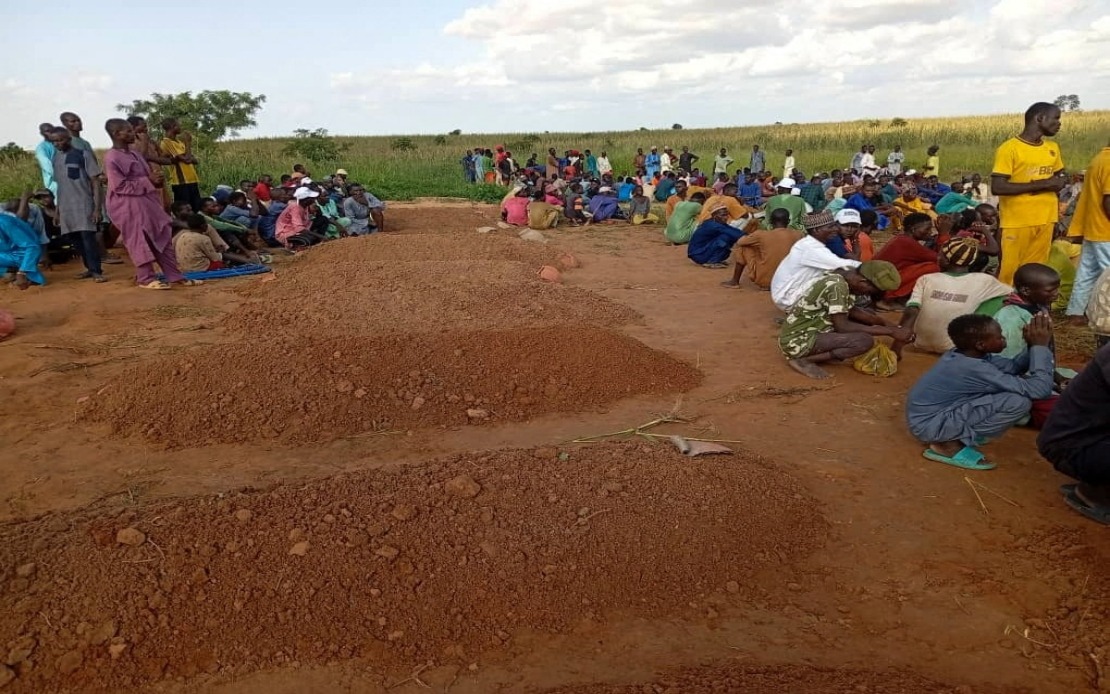
Rescue operations are continuing in Sokoto State in northwestern Nigeria following a devastating boat disaster that has claimed the lives of more than 40 people, with authorities and eyewitnesses citing significantly higher casualty figures as recovery efforts progress. The vessel capsized on Thursday near Gorau town in Goronyo Local Government Area while transporting a large group of farmers and laborers headed to rice paddies for seasonal planting and harvesting activities. Initial assessments of the tragedy reveal a pattern of systemic failures that have become disturbingly common across Nigeria's inland waterway network, raising urgent questions about maritime safety in the region.
According to officials from Nigeria's National Inland Waterways Authority (NIWA), preliminary death toll estimates stood at 40 people, though Abdulkadir Yusuf, the authority's Sokoto state manager, acknowledged that final figures were still being verified as recovery operations proceeded. However, independent accounts from those present at the scene paint a grimmer picture. A local witness reported that approximately 47 bodies, many carefully wrapped in mats and traditional cloth, had been transported to a community mosque in Gorau in preparation for burial services scheduled for Thursday evening. The discrepancy between official figures and ground-level reports underscores the chaotic nature of such disasters and the challenges faced by authorities in establishing precise casualty counts under emergency conditions.
The human toll extends far beyond the death toll itself, reflecting the particular vulnerability of young people in the region. Nasiru Adamu, a lawmaker representing the affected area in the Sokoto State House of Assembly, revealed that the majority of passengers aboard the vessel were children between the ages of 10 and 15. He further disclosed that the boat had been transporting nearly 70 people in total, an indication of severe overcrowding that almost certainly contributed to the capsizing. While rescue teams managed to retrieve 16 survivors from the water, the scale of the tragedy has prompted Adamu and other local officials to call for immediate intervention to prevent similar incidents.
Personal accounts from community members illustrate the devastating impact on families across the region. Samaila Garba, a 55-year-old resident, lost his 13-year-old granddaughter, Jamila Usman, in the disaster. During interviews, Garba indicated that he had personally counted at least 42 bodies recovered from the waterway, with women and children comprising the overwhelming majority of victims. Such first-hand testimonies provide crucial verification of casualty numbers while highlighting the profound human cost that statistics alone cannot adequately convey.
The Sokoto State tragedy exemplifies a broader and increasingly critical problem affecting Nigeria's inland waterway system. Systemic deficiencies in maritime safety—including chronic overcrowding of vessels, inadequate maintenance of boats, and weak enforcement of existing safety protocols—have created dangerous conditions that particularly intensify during the rainy season when water levels rise and conditions become more unpredictable. These structural problems have not emerged overnight but rather reflect decades of underinvestment in safety infrastructure and regulatory frameworks governing inland water transport. For Malaysian observers, the situation underscores how developing nations grappling with limited resources often prioritize rapid transportation solutions over passenger safety measures.
Recent history demonstrates that the Sokoto disaster represents part of a troubling trend rather than an isolated incident. In January of the same year, a separate boat accident in Yobe State in northeastern Nigeria claimed the lives of at least 25 people when a vessel with known structural defects took on water and subsequently capsized. The recurring nature of these tragedies suggests that sporadic emergency responses and promises of reform have proven insufficient to address the underlying causes. Families who depend on inland waterways for accessing agricultural lands and markets continue to face unacceptable risks due to the absence of comprehensive safety standards and consistent regulatory oversight.
The implications of such maritime disasters extend beyond Nigeria's borders, offering cautionary lessons for other West African and Southeast Asian nations with extensive inland waterway networks. Countries including Malaysia, Indonesia, and the Philippines, which similarly depend on river transport in certain regions, must examine their own safety protocols and enforcement mechanisms to ensure that lessons from tragedies elsewhere inform domestic policy. The Sokoto incident demonstrates how combination of factors—inadequate vessel maintenance, regulatory gaps, insufficient enforcement, and economic pressures driving overcrowding—can rapidly transform a routine transportation journey into a mass casualty event.
Local authorities in Sokoto State have initiated search operations to locate any remaining survivors and recover additional bodies still submerged in the waterway. Divers from surrounding communities have been mobilized to conduct thorough searches of the affected areas, though challenging water conditions and limited specialized equipment hamper these efforts. The recovery process itself presents emotional and logistical challenges for local residents and officials, who must manage both the practical aspects of retrieval and the broader communal grieving process that follows such catastrophes.
For policymakers and safety advocates across Africa and beyond, the Sokoto disaster crystallizes arguments for comprehensive reform of inland waterway transport systems. Recommendations being circulated by transport safety organizations include mandatory vessel inspections with standardized safety certifications, strict enforcement of passenger capacity limits, mandatory life jacket distribution, operator training and licensing requirements, and establishment of rapid-response rescue infrastructure at high-risk crossing points. Implementation of such measures requires sustained political will, adequate budgetary allocation, and coordination between federal authorities, state governments, and local communities who bear the immediate consequences of safety lapses.
The tragedy also highlights the socioeconomic dimensions underlying such disasters. That the majority of victims were young people and that passengers were predominantly engaged in seasonal agricultural work reflects how poverty and limited transportation alternatives force vulnerable populations to accept dangerous journey conditions. Without investment in safer alternative transport routes or improved water transport infrastructure, communities dependent on inland waterways will continue facing disproportionate risks. This cycle perpetuates inequality whereby the poorest and most marginalized segments of society absorb the greatest cost of inadequate infrastructure and regulatory oversight.
Government responses in the immediate aftermath of the Sokoto disaster have included expressions of sympathy and commitments to conduct investigations, yet observers note that such promises have frequently failed to translate into meaningful policy changes following previous incidents. Effective reform requires not merely reactive measures following tragedies but proactive establishment of regulatory frameworks with teeth, adequate funding for enforcement, and genuine accountability mechanisms for officials and operators who violate safety standards. The families of the 40-plus victims who perished in the Gorau waterway deserve more than expressions of regret; they warrant systematic change that prevents similar preventable tragedies from claiming further lives in their community and across Nigeria's inland waterway system.

