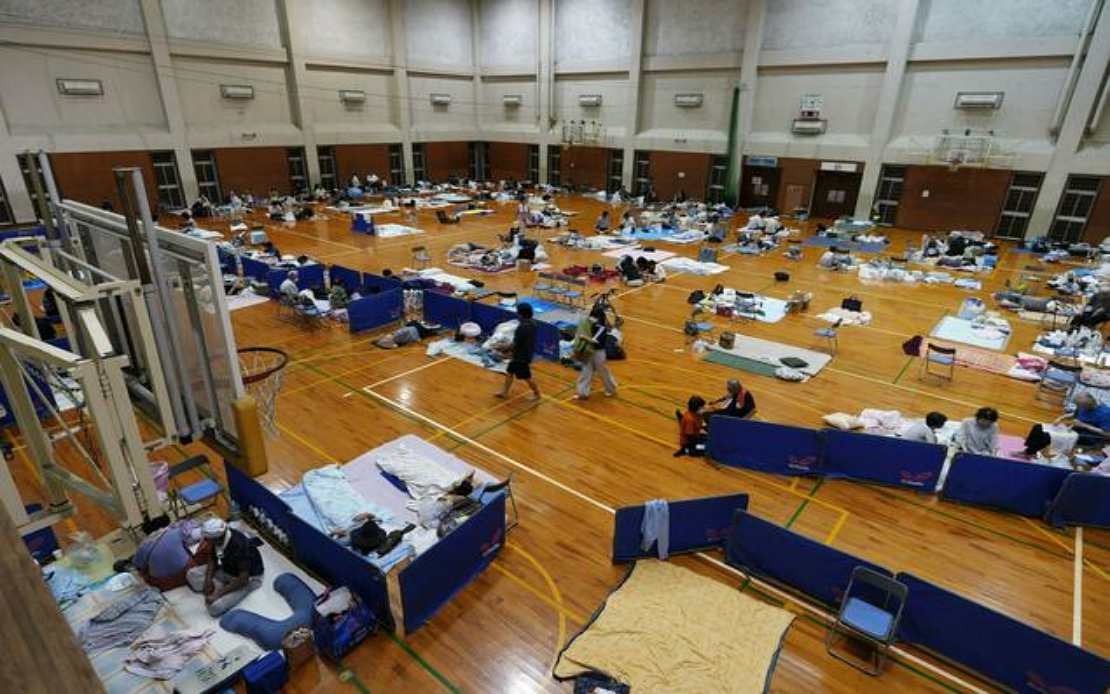
Seven days have passed since the magnitude 7.1 earthquake jolted Kumamoto Prefecture in southwestern Japan around 4:27 p.m. on July 28, yet the humanitarian challenge continues to intensify. More than 8,000 displaced residents are still sheltering in 150 evacuation facilities across the region, with the situation made increasingly perilous by scorching temperatures and widespread water disruptions that have left approximately 45,000 households without access to safe water supplies across five municipalities.
The scale of physical destruction underscores the severity of the disaster. Preliminary assessments indicate that around 12,000 buildings suffered damage ranging from moderate to severe, with particular devastation concentrated in several industrial and commercial areas. The confirmed death toll has reached 38 people, though the circumstances surrounding these fatalities reveal the disaster's multifaceted nature. Seven individuals perished in an explosion at an Aeon shopping mall in Kashima, while nine died when a chimney collapsed at Nippon Paper Industries Co.'s facility in Yatsushiro, demonstrating how structural failures have compounded the earthquake's initial impact.
Beyond the immediate seismic casualties, a heat-related death among people sleeping in vehicles highlights the secondary dangers now facing survivors. With many unable to access proper shelter, temperatures exceeding 40 degrees Celsius in some areas for the first time on record are creating life-threatening conditions. The prefecture recorded highs of 35 degrees or above in many localities during the most recent heat wave, transforming evacuation shelters into potential danger zones themselves. The actual number of residents sleeping in cars remains unquantified, suggesting authorities may be underestimating the population at acute risk.
Japan's national leadership has responded by elevating the disaster's classification. Prime Minister Sanae Takaichi, after visiting an evacuation shelter on Monday, announced that the government will formally designate the earthquake as a "disaster of extreme severity." This administrative categorization carries significant practical implications, as it enables prefectural authorities to access substantially higher subsidies from the national government for reconstruction and recovery operations. The designation also permits deployment of special assistance measures specifically tailored to the affected population's mounting needs.
Infrastructure failures are compounding shelter conditions and hampering relief delivery. Water shortages persist due to damage to the region's distribution networks, forcing residents to depend on water trucks dispatched from across Japan to service evacuation centers and affected communities. Authorities are simultaneously implementing complementary measures including expanded portable toilet facilities and deployment of spot cooling units to combat the sweltering conditions. However, these interventions remain stretched thin against the scale of demand, particularly given the challenge of maintaining hygiene standards without adequate water supplies at facilities housing thousands of vulnerable people.
The economic implications extend beyond immediate rebuilding costs. Transportation infrastructure serving the broader region has been partially disabled, with the Kyushu Shinkansen Line remaining suspended between Kumamoto and Kagoshima-chuo stations. The Kyushu Expressway is also operating under restrictions, with the highway closed to general vehicles between the Matsubase and Ebino exits. These transportation constraints will constrain the ability of external assistance to reach affected areas and will delay the resumption of normal economic activity across multiple prefectures.
Tensions between urgency and logistical capability are evident in housing reconstruction plans. Authorities have begun accepting applications for secondary evacuation to hotels, redirecting displaced persons away from crowded shelters where heat stress and sanitation challenges pose escalating health risks. Simultaneously, construction of temporary housing has commenced in the hardest-hit municipalities of Uki and Hikawa. These parallel efforts reflect recognition that the displacement will likely persist for months, necessitating intermediate housing solutions while permanent reconstruction proceeds.
International solidarity has emerged as an unexpected bright spot in the crisis narrative. The southern Taiwanese city of Kaohsiung responded to requests from Yatsushiro by dispatching essential care supplies to Miyabien, a nursing home severely affected by the disaster. Midori Tagata, the facility's director, emphasized that the donation addressed critical shortages arising from the city's ongoing water outages, which have compromised the ability to maintain adequate hygiene protocols for elderly residents dependent on institutional care. This cross-border assistance underscores the humanitarian dimension of regional disaster response in East Asia and demonstrates how cities beyond the immediate crisis zone can contribute meaningfully to recovery efforts.
For Malaysian and Southeast Asian observers, the Kumamoto situation carries important lessons regarding disaster preparedness and response coordination. Japan, despite its advanced infrastructure and disaster management systems, faces significant challenges in managing a protracted displacement crisis complicated by environmental factors. The simultaneous occurrence of an earthquake, secondary industrial accidents, and extreme heat reveals how disasters rarely occur in isolation. The vulnerability of populations sheltering in vehicles or temporary facilities to heat-related mortality illustrates that post-earthquake challenges often prove more lethal than the initial seismic event itself. As Southeast Asian nations continue developing their own disaster response frameworks, the Kumamoto experience demonstrates the necessity of comprehensive planning encompassing not only immediate evacuation and shelter provision but also contingency arrangements for environmental complications that may emerge during the recovery phase.

