Malaysia's Public Accounts Committee has unveiled a damning assessment of the nation's cooking oil subsidy scheme, recommending radical restructuring of the programme after investigators uncovered billions in wasted government funds and leakage to unintended recipients. Teresa Kok, PAC deputy chairperson, presented eight key recommendations during parliamentary proceedings, highlighting how the Cooking Oil Price Stabilisation Scheme (COSS) has failed to serve its intended purpose of supporting ordinary Malaysians while inadvertently subsidising commercial operators and foreign nationals.
The most striking finding centres on the dramatic mismatch between allocated subsidies and actual domestic consumption. The COSS currently maintains a monthly quota of 60,000 metric tonnes, yet investigations determined that genuine domestic needs for Malaysian households range between merely 19,000 to 30,000 metric tonnes each month. This oversupply creates a structural surplus that inevitably leaks into unregulated markets, enabling diversion to foreign workers, commercial kitchens, and restaurants that were never intended to benefit from government assistance. The bloated quota essentially guarantees that public money intended for vulnerable households becomes a subsidy for profit-making enterprises operating outside official channels.
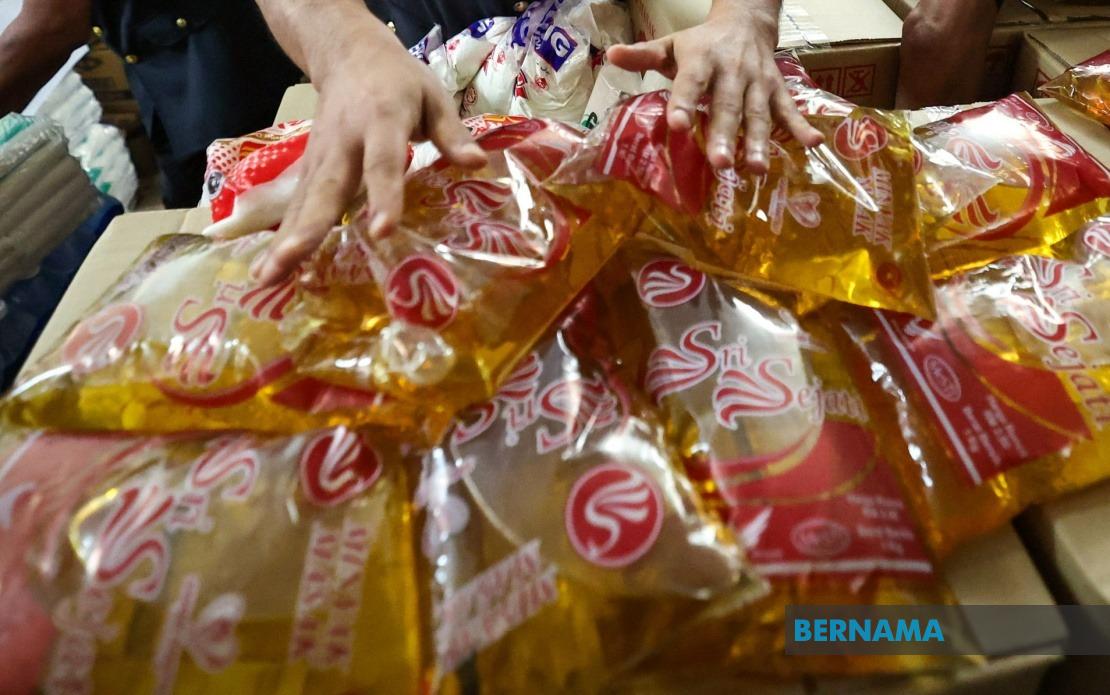
The financial scale of this mismanagement staggeres observers. Between 2019 and February 2025, the government poured RM10.879 billion into the cooking oil subsidy programme, yet a substantial portion of these funds never reached their intended beneficiaries. Instead, the one-kilogramme packets of subsidised cooking oil became de facto commodities trading in informal markets, where purchasers included commercial food businesses and foreign workers capable of paying full prices. This fungibility of subsidised goods fundamentally undermines the equity rationale for public expenditure, transforming what should function as a targeted welfare programme into an unfocused transfer mechanism.
The PAC investigation, conducted through ten separate proceedings between August and October 2025 with testimony from the Ministry of Domestic Trade and Cost of Living (KPDN), the Malaysian Islamic Development Department (JAKIM), and the Home Ministry, exposed critical governance failures at multiple supply chain levels. The findings were underpinned by the Auditor-General's Report 2/2025, which initially flagged unsatisfactory management of the subsidy and price control system. What emerged from detailed questioning was a picture of weak monitoring infrastructure, absent standardised procedures, and misaligned incentive structures that essentially encouraged waste rather than efficient delivery.
One particularly troubling discovery involved the halal certification status of packaging companies. Despite JAKIM's efforts to strengthen its certification processes, two of the nine repackaging firms involved in the COSS remained without halal certificates, an astonishing oversight given that food safety certification represents a basic prerequisite for handling cooking oil destined for Muslim consumers. This lapse underscores broader weaknesses in oversight mechanisms and suggests that regulatory procedures exist primarily on paper rather than in enforcement reality.
The committee identified severe mismanagement of spoiled and damaged stocks as another major drain on public resources. No standardised operating procedures govern how packaging companies handle cooking oil that deteriorates during storage or transportation, meaning the government continues subsidising oil that never reaches consumers. This amounts to transferring public money directly to private companies as compensation for their own storage failures, a perverse incentive that penalises efficiency and rewards carelessness. The PAC recommends severing the subsidy link to damaged stocks, ensuring that repackagers absorb losses from poor stewardship of subsidised goods.
At the retail level, the control price mechanism designed to cap cooking oil at RM2.50 per kilogramme has become effectively unenforceable. Inadequate monitoring has permitted widespread conditional sales, whereby retailers force customers to purchase other products to obtain subsidised cooking oil, alongside stock hoarding that artificially creates shortages. These market distortions inflate prices for ordinary consumers while enriching retailers through artificially created scarcity, directly contradicting the subsidy scheme's poverty-alleviation objectives. The PAC findings suggest that price controls without effective monitoring simply generate black markets and evasion rather than benefiting intended recipients.
The distribution of quota allocations between foreign and Malaysian companies reveals another structural imbalance with strategic implications. Foreign companies control 67 per cent of refining-level market share within the COSS, while government-linked Malaysian enterprises like FGV and SD Guthrie command only 10.6 per cent, with independent local companies holding the remainder. This concentration of quota among foreign firms means that the benefits of subsidised raw material flow predominantly overseas, enriching international corporations rather than developing domestic refining capabilities or supporting Malaysian-owned businesses. The PAC suggests deliberately rebalancing allocations toward competitive local enterprises, signalling an emerging policy concern about foreign dominance in food production infrastructure.
The repackaging margin structure exemplifies how subsidy design has divorced itself from economic reality. Firms receiving RM600 per metric tonne in subsidy enjoy profit margins that vastly exceed their actual processing costs, creating windfall gains disconnected from operational necessity. The PAC found these margins unreasonably inflated compared to genuine processing expenses, meaning much of the RM600 subsidy represents pure profit transfer to repackagers rather than compensation for legitimate value-added activity. Aligning subsidy rates with actual processing costs would immediately reduce government expenditure while maintaining adequate margins for efficient operators.
Central to the PAC's reform vision stands accelerated transition toward digital targeted subsidies through the eCOSS (Cooking Oil Price Stabilisation Scheme System) platform. This technological shift would theoretically enable the government to verify beneficiary eligibility before subsidy access, replacing the current anonymous bulk distribution that permits widespread misuse. By linking subsidies to digital identity and eligibility verification, Malaysia could transform the scheme from a leaky universal programme into a precision-targeted intervention reaching only households meeting income thresholds. Such a transition requires investment in digital infrastructure and authentication systems, yet offers the prospect of maintaining welfare support while cutting programme costs substantially.
The PAC's recommendation to slash the monthly quota by 60,000 metric tonnes represents the most aggressive proposal, effectively collapsing the current allocation structure. This reduction would align supply precisely with estimated domestic needs, eliminating the structural surplus that inevitably leaks into black markets and commercial diversion. Combined with the shift toward digital targeting and stricter subsidy payment conditions tied to undamaged stocks, quota reduction would transform COSS from a bulk programme prone to abuse into a focused welfare intervention. Whether KPDN possesses the political will to implement such comprehensive restructuring remains uncertain, but the PAC findings establish an unambiguous case that incremental adjustments cannot address the scheme's fundamental design flaws.
For Malaysian households dependent on subsidised cooking oil, these findings carry troubling implications about programme sustainability. If government expenditure on cooking oil subsidies continues at current RM10.879 billion levels while delivering ineffective welfare outcomes, political pressure may eventually force reductions that harm genuine beneficiaries rather than eliminate waste. By contrast, efficient targeting and reformed subsidy mechanisms could concentrate resources on vulnerable populations while reducing total government expenditure, theoretically strengthening rather than weakening the safety net. The PAC's investigation essentially challenges policymakers to choose between continuing expensive, ineffective bulk subsidies or implementing disciplined, targeted assistance requiring upfront investment in digital systems and monitoring capacity. The committee has provided a roadmap; implementation now depends on political commitment at ministerial level.

