Pahang Pakatan Harapan (PH) has rolled out a revamped leadership structure as it marshals resources and organizational capacity for the 16th General Election scheduled for 2026. The coalition announced the appointments during its annual general meeting in Kuantan on June 24, signalling its intent to present a more cohesive and operationally efficient command structure in the lead-up to what will be a significant political contest for the state and nation.
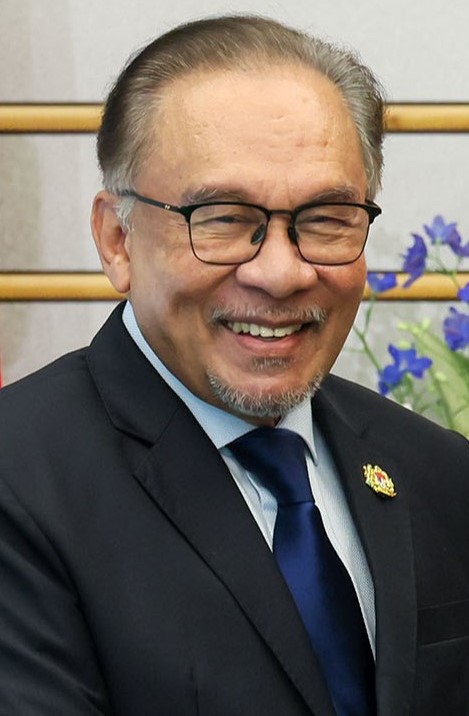
At the helm of the restructured coalition stands Datuk Ahmad Farhan Fauzi, who has been elevated from his position as Pahang PKR State Leadership Council chairman to head the entire PH machinery in the state. The appointment reflects confidence in Fauzi's ability to coordinate across the coalition's constituent parties and manage the complex dynamics of multi-party cooperation that has characterized opposition politics in Malaysia since 2018.
The new leadership configuration includes DAP's Lee Chin Chen and Amanah's Mohd Fadzli Mohd Ramly taking on deputy chairman roles, establishing a balanced representation of the three major components of the PH coalition. This structural arrangement attempts to distribute authority and responsibility while ensuring that no single party dominates decision-making processes. The elevation of DAP and Amanah to deputy positions signals PH's commitment to maintaining the coalition's multi-ethnic, multi-ideological character.
Responsibility for administrative and financial operations has been entrusted to PKR figures. Datuk Dr Suhaimi Ibrahim assumes the secretary role, overseeing day-to-day coordination and documentation, while Dr Sim Chon Siang transitions into the treasurer's position, managing the coalition's financial resources and expenditures. These appointments place organizational control firmly within PKR, the party with the largest parliamentary representation within PH.
Specialized operational roles have been distributed across party lines to build broader ownership of key functions. PKR's Adnan Mohamed Lazim will oversee election logistics as election director, a particularly crucial portfolio given the urgency of constituency-level organization ahead of GE16. Ibrahim Sulaiman from Amanah heads communications and information strategy, a role that encompasses media engagement, digital outreach, and narrative shaping in an increasingly contested information environment. PKR's Rizal Jamin directs strategic planning, responsible for crafting the coalition's political positioning and campaign architecture.
The stated rationale for this organizational restructuring emphasizes operational coherence and grassroots connection. PH's official statement contends that the new configuration will enable more orderly execution of party work across all levels, with particular emphasis on maintaining focus on constituent concerns. This reflects broader lessons from the 2023 general election and subsequent state contests, where organizational discipline and responsiveness to local issues proved consequential for electoral performance.
Pahang's opposition coalition is not limiting its ambitions to state-level consolidation. The leadership body has committed to mobilizing party machinery across all constituencies statewide, establishing the groundwork for intensive campaigning well ahead of GE16. This lengthy preparation period allows for candidate selection, ground organization training, and voter engagement initiatives that could prove decisive in marginal constituencies where elections are often determined by narrow margins.
Beyond Pahang's borders, the coalition is positioning itself as a component of a broader national opposition effort. The leadership has pledged to provide organizational support for allied state election campaigns in Johor and Negeri Sembilan, demonstrating commitment to coordinated interstate strategy. This cross-state cooperation reflects PH's understanding that electoral success in individual states is increasingly interdependent, with momentum and resources flowing between contests held in relatively close temporal succession.
For Malaysian observers, this restructuring signals that opposition politics continues to mature institutionally. The explicit emphasis on strengthening grassroots relations, enhancing machinery readiness, and expanding community service reflects recognition that electoral victory depends not simply on national-level messaging but on sustained local engagement and demonstrated responsiveness to constituent needs. In Pahang specifically, where rural constituencies remain electorally significant, the focus on people-centric organization addresses a traditional PH organizational weakness.
The appointment process also represents a formal transition of leadership responsibilities. The departing leadership hierarchy, whose contributions to coalition-building and maintenance during a turbulent period were acknowledged, has yielded positions to figures perceived as better positioned for the specific challenges of the pre-2026 period. This managed succession, conducted through formal organizational procedures, suggests institutional stability within the opposition coalition at a time when such stability remains contested.
For Southeast Asia's regional politics, Malaysia's opposition coalition restructuring merits attention as a case study in multi-party cooperation dynamics. The PH coalition's continued existence and functionality, despite periodic tensions between component parties over resource distribution and strategy, demonstrates that coalition arrangements can survive extended periods outside government. Whether this coalition maintains cohesion through GE16 and achieves electoral breakthrough will have implications for opposition movements across the region grappling with similar questions of unity and organizational effectiveness.
The immediate priority for Pahang PH's new leadership team involves translating organizational structure into tangible on-ground activity. Effective deployment of newly formalized roles and successful coordination across constituency-level organizations will determine whether this restructuring proves substantive or merely ceremonial. The next two years will reveal whether this leadership reshuffle genuinely enhances operational capacity or represents routine administrative cycling within the opposition coalition.