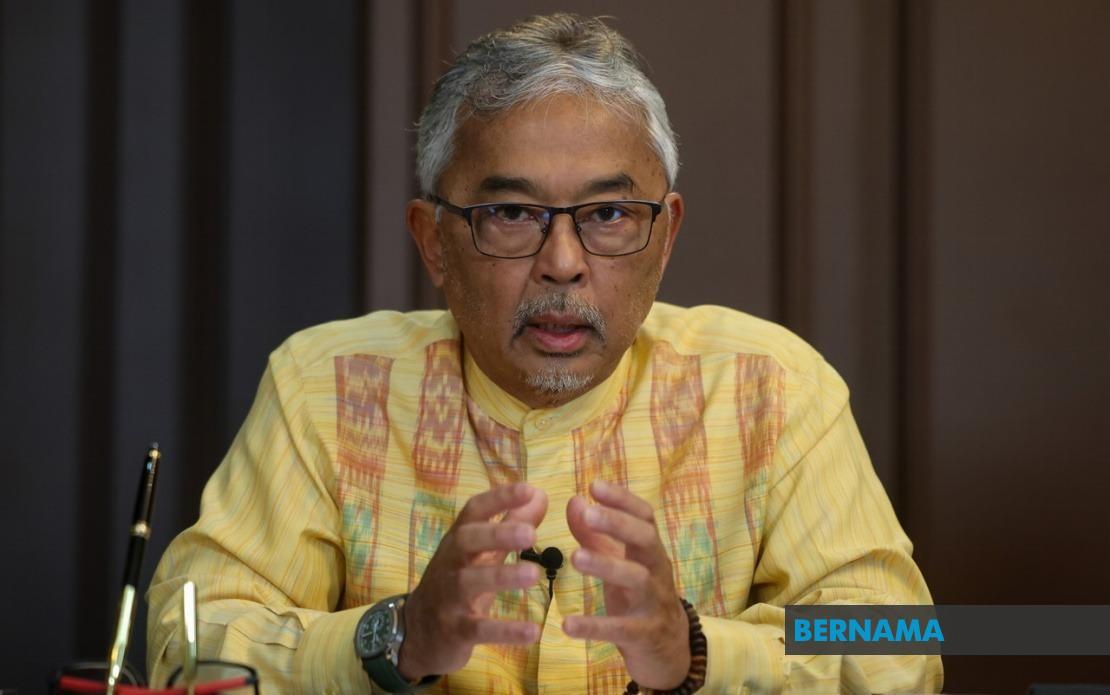
The Sultan of Pahang, Al-Sultan Abdullah Ri'ayatuddin Al-Mustafa Billah Shah, has issued a directive requiring every local authority throughout the state to systematically examine large and mature trees for potential public safety hazards. The order, announced in Kuantan, comes amid growing concern over tree-related incidents that have resulted in fatalities and injuries across the nation. The initiative underscores the need for preventative governance in managing environmental infrastructure that directly affects community welfare.
According to the royal instruction, inspections must be conducted thoroughly and on an ongoing basis to identify trees posing genuine danger to public safety. The assessment programme should prioritise locations where people congregate or pass through regularly, including public parks, shopping areas, roadsides, and residential neighbourhoods. By establishing tree condition monitoring as a routine practice rather than a reactive measure, authorities can create an early-warning system for deteriorating vegetation that might otherwise pose unexpected risks.
The Sultan emphasised that local authorities must not delay in taking corrective action once hazardous trees are identified. Rather than awaiting an incident, he stressed the critical importance of removing or treating problem trees proactively. This guidance reflects a shift toward preventative administration, where public safety mechanisms operate ahead of crises rather than responding to them. The directive effectively places responsibility for tree management at the local government level, where officials have direct knowledge of their jurisdictions' vegetation inventory and environmental conditions.
The royal statement acknowledges that recent tragedies involving fallen trees have prompted this intervention. Malaysia has experienced several high-profile incidents in recent years where large trees have collapsed during storms or due to age-related deterioration, resulting in loss of life and property damage. These events have highlighted a vulnerability in municipal infrastructure management and underscore how easily natural elements can become lethal when left unmonitored. The Pahang Sultan's action signals that such incidents demand systemic rather than ad-hoc responses.
For Malaysian local authorities, the order presents both an operational challenge and an opportunity to demonstrate competent urban management. Many municipalities struggle with resource constraints and competing infrastructure priorities, and tree assessment programmes require skilled personnel, proper equipment, and sustained budgeting. However, implementing comprehensive tree audits can be framed as cost-effective risk mitigation—preventative tree removal or treatment typically costs less than emergency response to fallen trees, medical treatment for casualties, and property restoration following incidents.
The directive carries broader implications for how Malaysian state governments approach environmental governance. As urbanisation accelerates and cities expand into previously forested areas, managing existing vegetation becomes increasingly important. Tree management encompasses not only safety but also urban cooling, air quality, and biodiversity—making systematic assessment valuable for multiple policy objectives. The Pahang initiative could establish a model that other states might adopt or adapt to their own contexts.
Regional considerations also merit attention. Southeast Asia faces intensifying weather patterns and climate variability, factors that increase stress on tree systems and raise the likelihood of failures. Trees weakened by drought, disease, or structural compromise become more vulnerable to sudden collapse, particularly during high-wind events or heavy rainfall. A proactive assessment framework becomes especially relevant in this climatic context, allowing authorities to identify and address vulnerable specimens before environmental stressors trigger catastrophic failure.
The success of Pahang's tree inspection programme will largely depend on how thoroughly local authorities implement the directive and whether they receive adequate support from state government. Establishing clear standards for tree assessment—such as which species require closer monitoring, what constitutes a hazard-level condition, and what remedial actions are appropriate—will help ensure consistency across jurisdictions. Training programmes for municipal staff responsible for inspections can improve the quality and reliability of assessments.
Public engagement represents another crucial dimension. Residents who frequent public spaces can serve as additional observers of tree conditions, reporting concerns to local authorities. Creating accessible channels for public reporting—such as dedicated phone lines or mobile applications—can supplement official inspections and help authorities identify problems more quickly. Community awareness campaigns explaining why tree assessments matter can also build support for necessary removal or maintenance work, which sometimes faces resistance from residents attached to established trees.
The directive also raises questions about liability and responsibility. If a tree assessed as safe subsequently fails and causes injury or property damage, legal questions may arise regarding the adequacy of inspections. Establishing clear documentation of assessment procedures, findings, and decisions becomes important for protecting both local authorities and the public. Professional standards for arboricultural assessment can help ensure that inspections meet recognised criteria and that decisions about tree retention or removal are defensible.
Looking ahead, Pahang's tree safety initiative may influence how other Malaysian states approach municipal environmental management. If the programme successfully prevents incidents while remaining affordable and sustainable, it could become a standard practice across the country. The initiative demonstrates how royal leadership can catalyse improvements in routine governance, directing attention and resources toward overlooked but consequential public safety issues.
Ultimately, the Sultan's directive reflects a recognition that public safety requires vigilance over environmental infrastructure. Trees, though natural elements, become part of the built environment when they stand in human spaces, and their management demands the same systematic attention given to buildings, roads, and utilities. By ordering comprehensive assessments and mandating prompt corrective action, Pahang's leadership has established a baseline expectation for tree safety management that may resonate throughout the region's local government sector.

