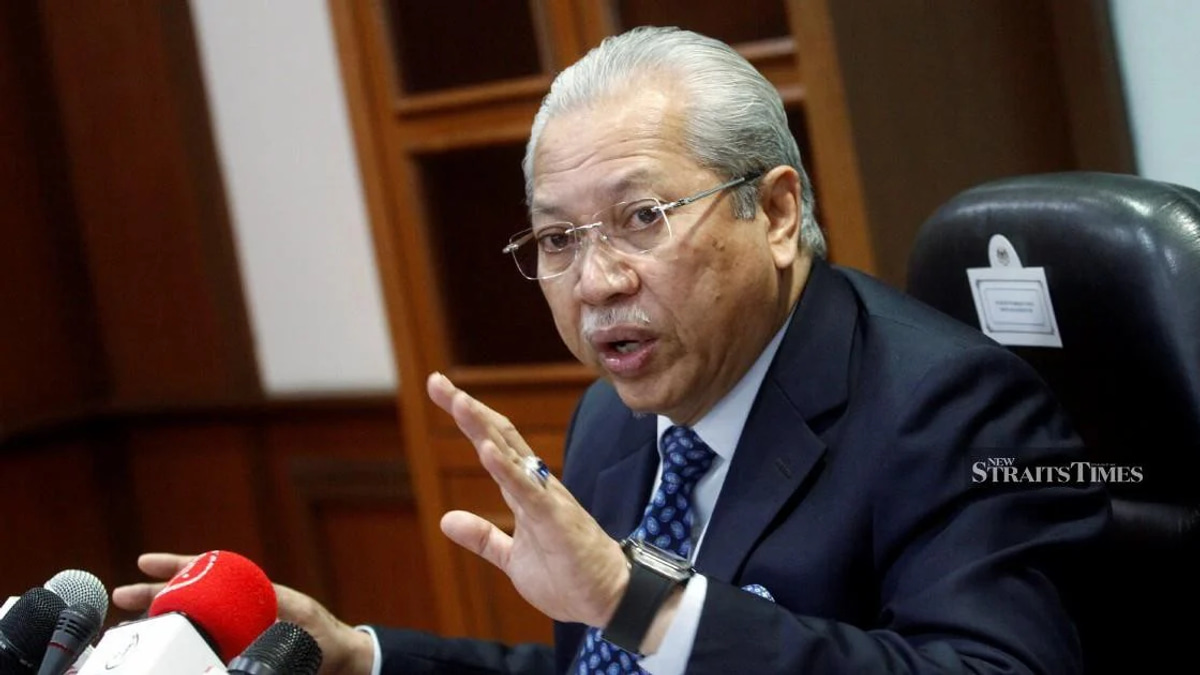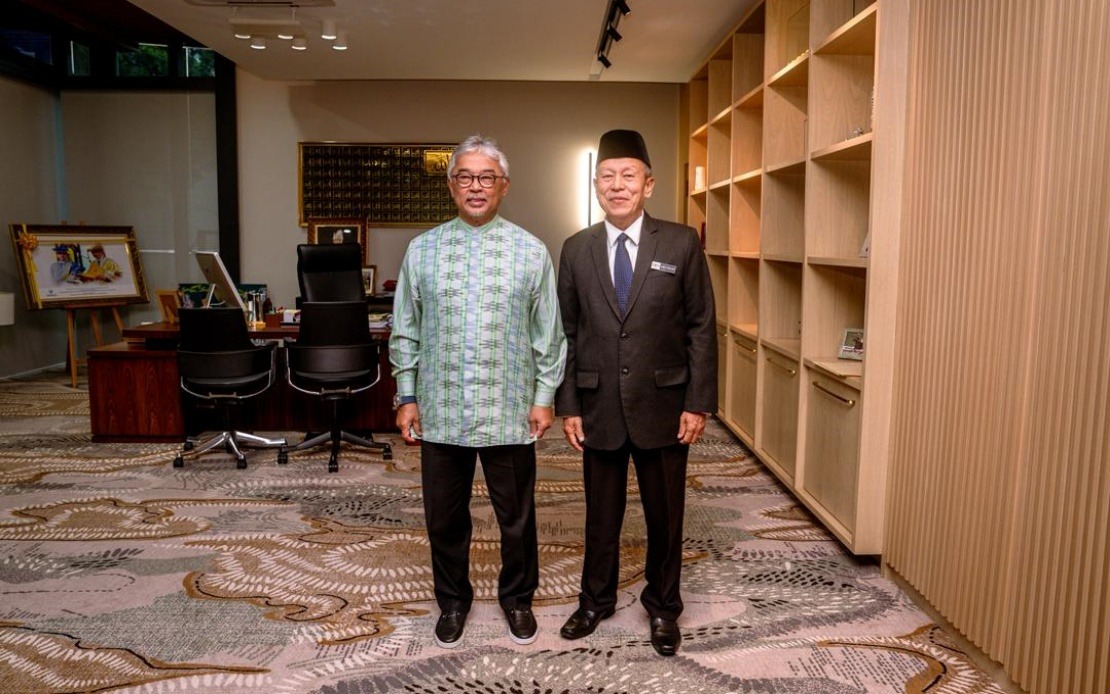
The Sultan of Pahang, Al-Sultan Abdullah Ri'ayatuddin Al-Mustafa Billah Shah, met with Malaysian Anti-Corruption Commission chief commissioner Datuk Seri Abd Halim Aman at Shahzan House in Ampang, reinforcing the institution's continued focus on combating graft and promoting transparent governance across Malaysia. The hour-long audience underscored the importance placed on corruption prevention by the nation's highest office, even as the MACC navigates an increasingly complex enforcement landscape across multiple jurisdictions and sectors.
During the engagement, the MACC provided His Majesty with comprehensive updates on its operational developments and strategic direction. The briefing covered the commission's latest enforcement actions, investigative findings, and institutional improvements implemented to strengthen its capacity and effectiveness. This regular communication between the palace and the anti-corruption body reflects a structured approach to keeping the monarchy informed about critical governance challenges, allowing the institution to remain attuned to developments that affect public trust and the rule of law.
Integrity strengthening formed a central theme of the discussions, with MACC representatives outlining various measures designed to embed ethical standards throughout the public sector and private enterprise. These efforts extend beyond traditional enforcement to include preventive mechanisms, training programmes, and institutional safeguards aimed at deterring misconduct before it occurs. The presentation highlighted how the commission seeks to embed a culture of accountability across government departments and agencies, recognising that sustainable corruption control requires systemic change rather than reactive interventions alone.
The audience also addressed contemporary governance issues that dominate Malaysia's public discourse. As the nation continues implementing anti-corruption reforms and institutional strengthening initiatives, the MACC's engagement with the palace signals alignment between the executive, investigative bodies, and the constitutional monarchy on corruption control priorities. This coordination is particularly significant given Malaysia's ongoing efforts to rehabilitate institutional credibility following previous scandals and demonstrate commitment to international anti-corruption standards.
Datuk Seri Abd Halim used the occasion to express gratitude for the Sultan's receptiveness and continued backing for the commission's mandate. His acknowledgment of royal support carries symbolic weight in Malaysian governance structures, where the monarchy occupies a unique constitutional position that transcends partisan politics. The Sultan's willingness to engage substantively with anti-corruption efforts demonstrates institutional commitment to governance principles that theoretically bind all levels of the federal structure.
The MACC's presentation encompassed ongoing initiatives designed to restore and maintain public confidence in enforcement agencies. Trust in anti-corruption bodies remains fragile in many Southeast Asian contexts, where perceptions of selective prosecution or political interference can undermine institutional legitimacy. By engaging the palace directly, the MACC reinforces messaging that its operations rest on principled foundations rather than political calculation, though critics have occasionally questioned the independence of enforcement bodies in Malaysian politics.
The briefing touched upon prevention mechanisms and integrity-building programmes that the MACC coordinates with various government agencies and departments. These collaborative efforts represent recognition that corruption control cannot succeed through any single institution operating in isolation. Rather, effective governance requires networks of accountability spanning audit offices, anti-money laundering units, law enforcement agencies, and civil service bodies working in concert toward shared standards and objectives.
Malaysian readers should note that audiences between the palace and senior enforcement officials remain relatively infrequent, making such engagements newsworthy indicators of institutional priorities. The Sultan's willingness to dedicate substantial time to corruption matters signals that anti-graft efforts retain high-level attention, even as competing governance challenges demand resources and political capital. This visible commitment may influence perceptions of MACC independence and reinforce messaging that corruption control represents a national priority transcending electoral cycles and partisan divisions.
The commission's emphasis on transparent and accountable governance structures reflects Malaysia's stated commitment to international standards promoted by bodies such as the United Nations Convention Against Corruption and regional anti-corruption initiatives. By demonstrating concrete engagement with these principles at the highest institutional levels, Malaysia positions itself within global anti-corruption frameworks whilst addressing domestic constituencies concerned about governance quality and public sector performance.
For Malaysian stakeholders monitoring institutional development, the audience represents one data point within broader trajectories of anti-corruption reform. Whether such high-level engagement translates into sustained operational improvements and measurable corruption reduction ultimately depends on factors beyond symbolism—including prosecutorial success, conviction rates, recovered assets, and genuine institutional independence. The Sultan's support provides important political cover, but enforcement impact ultimately depends on institutional capacity, investigative sophistication, and judicialsupport.