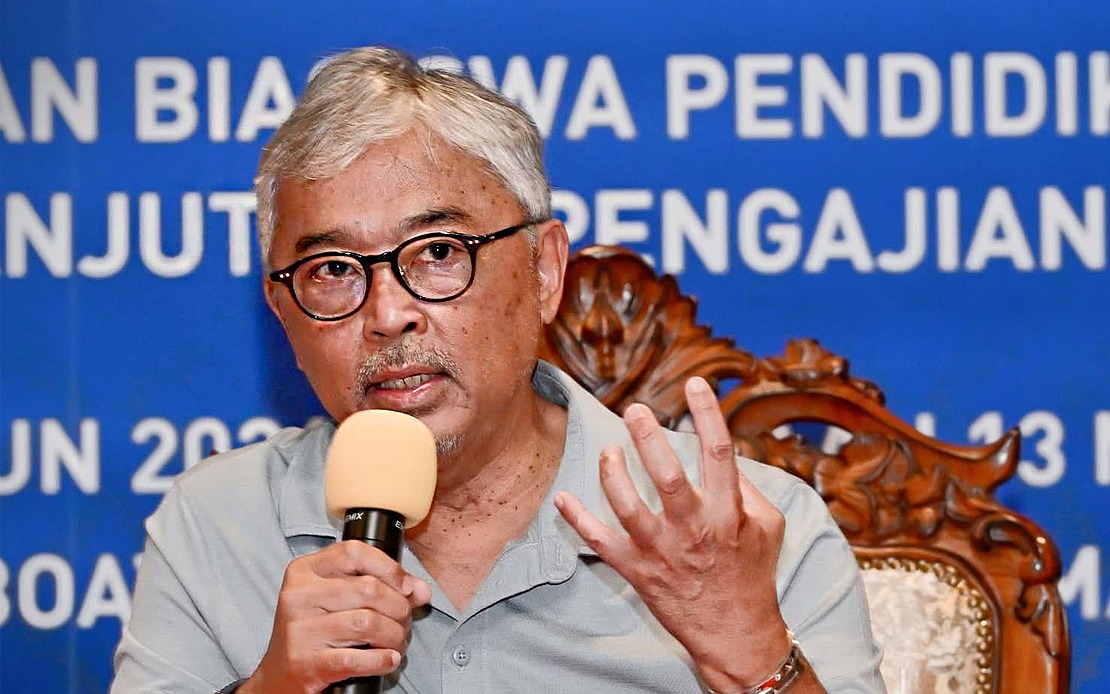
The Sultan of Pahang, Al-Sultan Abdullah Ri'ayatuddin Al-Mustafa Billah Shah, is pushing for a broader expansion of scholarship opportunities targeted at students from Tioman Island, signalling royal backing for initiatives that would bring quality education access to one of Malaysia's most geographically isolated communities. Speaking through the Pahang Sultanate's official channels, His Royal Highness emphasised that universities across Pahang should emulate the Institut Jantung Negara University College (IJNUC), which recently awarded scholarships to two outstanding students from the island territory.
The Sultan's intervention reflects a growing concern about educational disparities affecting students in remote and island communities. Tioman Island, situated off the east coast of Peninsular Malaysia, presents unique challenges for aspiring scholars seeking higher education at the tertiary level. Geographic isolation, combined with limited local educational infrastructure, often forces talented young people from such areas to forgo opportunities or rely heavily on family resources that may be constrained. By drawing attention to IJNUC's scholarship scheme, the Sultan is highlighting a practical pathway that other institutions could adopt to narrow this educational gap.
According to the Sultan's statement, the two Tioman Island scholars were selected strictly on academic merit and demonstrated excellence, establishing that the initiative prioritises talent and capability rather than charity alone. This emphasis on meritocracy is significant for Malaysian higher education discourse, as it positions such scholarships as investments in human capital development rather than welfare measures. The Sultan explicitly praised the recipients for their outstanding academic credentials, signalling that students from even the most remote corners of Pahang can compete successfully with their urban counterparts when given appropriate support.
In his address, the Sultan conveyed an important message to the scholarship recipients themselves, stressing that this opportunity comes with substantial expectations. His exhortation that "failure is not an option" and his instruction that the students view themselves as "benchmarks for other youths on Tioman Island" underscores the weight of responsibility these scholars carry. This framing transforms individual educational pursuits into community representation, thereby creating a ripple effect where their success could inspire and encourage other island residents to pursue higher education.
The Sultan also outlined practical guidance for the scholarship recipients, emphasising the importance of discipline, time management, and sustained focus throughout their studies in Kuala Lumpur. These directives acknowledge that relocating from a small island community to Malaysia's capital involves not just academic challenges but also significant personal and social adjustment. By providing this counsel, the Sultan demonstrates awareness of the multi-dimensional obstacles that students from isolated backgrounds often face when transitioning to urban educational environments.
Beyond individual student support, the Sultan's intervention carries institutional implications for Pahang's higher education landscape. By publicly encouraging universities across the state to follow IJNUC's example, His Royal Highness is essentially mobilising the royal institution as a soft power mechanism to promote corporate social responsibility in the education sector. Malaysian universities, particularly those with substantial endowments and strong financial positions, are now aware of the monarchy's interest in seeing them direct resources toward scholarship programmes benefiting underserved communities.
The Sultan's recognition of IJNUC extends beyond the scholarship initiative itself. He commended the Institut Jantung Negara for its reputation as a leading cardiac care facility within Asia, acknowledged its international standing in cardiac treatment excellence, and praised its consistent engagement in corporate social responsibility programmes across Pahang. This comprehensive appreciation suggests that the Sultan views institutional excellence in specialised medical fields as compatible with, rather than contradictory to, community-focused social investment. For other universities and academic institutions in Malaysia, this royal endorsement sends a clear signal that maintaining high academic standards and contributing to rural and island community development are complementary objectives.
The Sultan's specific reference to IJNUC's annual collaboration with the state government on CSR programmes, including initiatives in remote areas like Kampung Bantal, indicates a structured approach to community outreach that extends beyond sporadic charitable activities. This pattern of consistent engagement suggests a model that other Pahang institutions could institutionalise, embedding community support into their regular operational mandates rather than treating it as an occasional undertaking.
From a broader Malaysian policy perspective, the Sultan's intervention highlights the persistent challenge of educational equity across different geographic and socioeconomic contexts. While urban centres benefit from concentrated educational resources and infrastructure, communities in island and rural territories often struggle with limited institutional presence. Scholarship programmes address part of this disparity by removing financial barriers, yet the Sultan's emphasis on institutional responsibility suggests recognition that financial aid alone is insufficient—there must also be deliberate institutional commitment to identifying and nurturing talent from underrepresented communities.
The timing of this royal intervention also carries significance within Malaysia's ongoing national development narrative. As the country grapples with questions about inclusive growth and equitable distribution of opportunities, the Sultan's voice amplifies calls for the private and institutional sectors to play active roles in addressing regional disparities. This represents an important alignment between royal leadership and contemporary development priorities, demonstrating that Malaysia's constitutional monarchy remains engaged with pressing socioeconomic issues.
Looking forward, the Sultan's appeal may catalyse a broader movement among Pahang-based universities to establish dedicated scholarship streams for island and rural communities. Such initiatives could become competitive differentiators among institutions, as universities seek to enhance their reputational credentials through visible commitment to social equity. For potential scholarship recipients from Tioman and other isolated communities, the Sultan's intervention opens concrete pathways to tertiary education that previously seemed inaccessible.
The success of this initiative will ultimately depend on how other higher education institutions respond to the Sultan's call. If additional universities in Pahang adopt similar scholarship programmes, the collective impact could transform educational prospects for an entire generation of students from underserved territories. Conversely, if the initiative remains limited to IJNUC, it may serve primarily as a symbolic gesture of royal concern rather than a systemic solution to educational access disparities.

