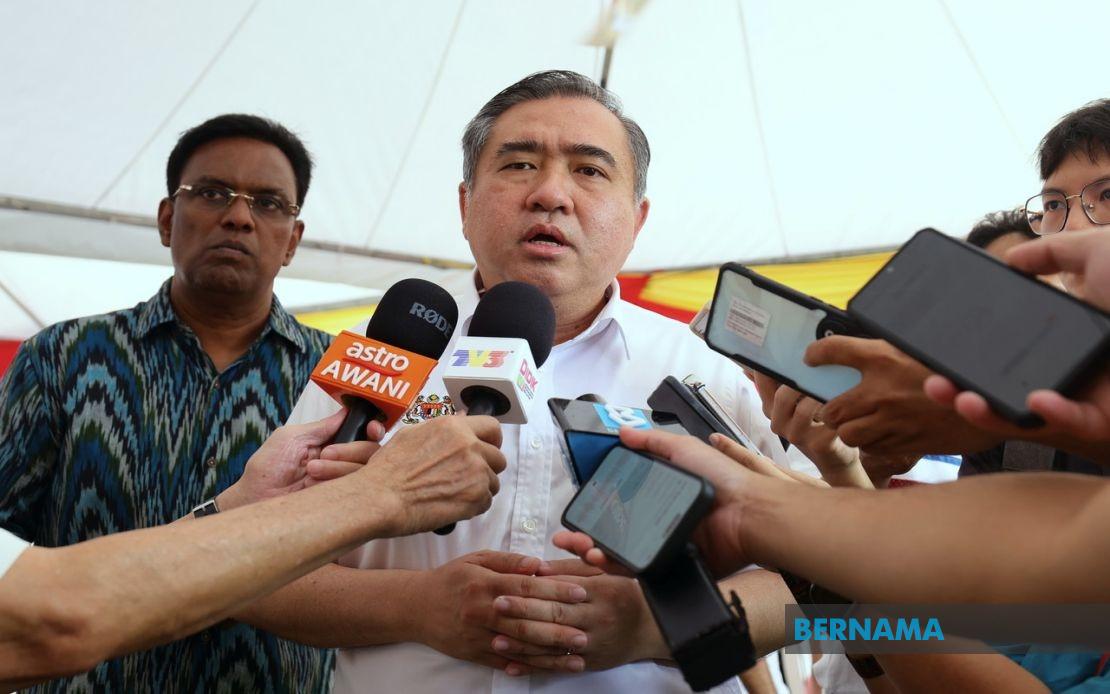
Pakatan Harapan has indicated it will not be caught off guard by any political realignments ahead of the Negeri Sembilan state election, even as speculation grows about potential collaboration between rival coalitions Barisan Nasional and Perikatan Nasional. Speaking in Seremban on July 16, DAP secretary-general Anthony Loke outlined the coalition's strategy of maintaining focus on its own electoral strengths rather than being distracted by opponents' tactical moves.
The messaging signals a deliberate effort by PH to project confidence and stability as the state heads toward polling day. Loke drew parallels with recent state elections, particularly the Johor contest, where similar pre-election positioning and coalition jockeying occurred. His comments suggest PH views such political manoeuvres as predictable elements of electoral competition rather than existential threats to its prospects. The coalition's leadership appears intent on signalling to voters and party members alike that internal cohesion and electoral machinery remain PH's primary focus.
The backdrop to Loke's remarks involves negotiations between BN and PAS regarding seat allocation and constituency arrangements for Negeri Sembilan. These discussions represent a significant development in the state's political landscape, potentially reshaping the three-cornered contest that has characterised recent elections. The possibility of reduced direct competition between BN and PN in certain seats could theoretically alter seat dynamics, though the actual electoral impact remains uncertain until campaigning intensifies.
A particular concern for PH centres on Chinese voter preferences, with opposition parties including MCA actively courting this demographic. Loke acknowledged these challenges without appearing defensive, noting that voters ultimately decide their own allegiances regardless of pre-election claims about public support. This measured response reflects awareness that Chinese-majority constituencies have shown shifting voting patterns in recent electoral cycles across Malaysia, with voters responding to both national issues and state-level governance performance.
The coalition is anchoring its campaign strategy on the governance record of Negeri Sembilan since 2018, when Menteri Besar Datuk Seri Aminuddin Harun assumed office under PH administration. This focus on tangible achievement in state administration—infrastructure development, service delivery, and economic management—represents PH's substantive counter to opposition criticism. The coalition evidently believes that the state government's performance provides sufficient grounds for voter retention without requiring dramatic tactical responses to coalition rivals' positioning.
Underscoring its unity message, PH emphasises strengthening bonds among component parties—DAP, PKR, Amanah, and others—as essential to electoral success. This emphasis on internal cohesion carries particular weight given that coalition unity has been tested by various state-level challenges and national political developments. The Negeri Sembilan campaign will serve as a test case for whether PH can maintain the operational efficiency necessary across its diverse membership.
Separately, Loke addressed the political complications in Melaka, where Melaka DAP's recent withdrawal from the state government over disagreements concerning nominated assembly member appointments created friction. His confirmation that this decision is final and the matter settled indicates PH leadership has moved beyond attempts at resolution. The state government has reportedly restructured legislative assembly seating arrangements to accommodate the new political configuration, suggesting institutional adjustments are proceeding despite the coalition tension.
While addressing campaign-related activities, Loke fielded questions about whether the MADANI Adopted Village, MADANI Adopted School, and Santuni MADANI programmes represent seasonal initiatives timed to the election cycle. His response stressed that these programmes form part of continuous implementation across all ministries since 2025, aimed at upgrading rural infrastructure and basic facilities on a permanent basis rather than episodic electoral manoeuvring. This framing attempts to distinguish between ongoing developmental initiatives and campaign activities, though the timing inevitably invites scrutiny from observers sceptical of government programmes launched near elections.
The MADANI initiatives represent substantial infrastructure and welfare commitments targeting rural constituencies—areas where electoral margins frequently determine outcomes. Kampung Baru Mantin received designation as a MADANI Adopted Village, Kampung Mantin Dalam qualified for the Santuni MADANI programme, and Sekolah Jenis Kebangsaan Cina Chung Hua Mantin gained selection as a MADANI Adopted School. These designations concentrate development resources in specific localities while presumably generating goodwill among affected communities.
For Malaysian political observers, the Negeri Sembilan election holds significance beyond state-level implications. The contest will provide early indicators of voter sentiment following recent national political developments and economic conditions. Coalition performance here could influence calculations in other states regarding political viability of various alignment strategies. The potential BN-PN cooperation bears watching as a possible template for future electoral arrangements should both coalitions find benefit in reduced competition.
The election also matters for PH's confidence heading into subsequent state contests and eventual federal elections. A strong showing would reinforce the coalition's narrative of sustained voter support despite political challenges, while a disappointing result could prompt recalibration of messaging and strategy. Loke's steady tone and emphasis on internal strength suggest PH leadership believes the state government's record provides sufficient foundation for retention, provided the coalition executes its election machinery effectively and component parties maintain unity throughout the campaign.

