Pakatan Harapan has reaffirmed its commitment to honouring the Sultan of Johor's constitutionally protected right to appoint the Menteri Besar should the coalition secure victory in the upcoming state election. The position represents a formal acknowledgement of the monarchy's role in Malaysia's constitutional framework, particularly the special provisions governing Johor as one of the nation's hereditary sultanates. This stance has become increasingly relevant as the 16th Johor state election approaches, with polling scheduled for July 11 and early voting set for July 7.
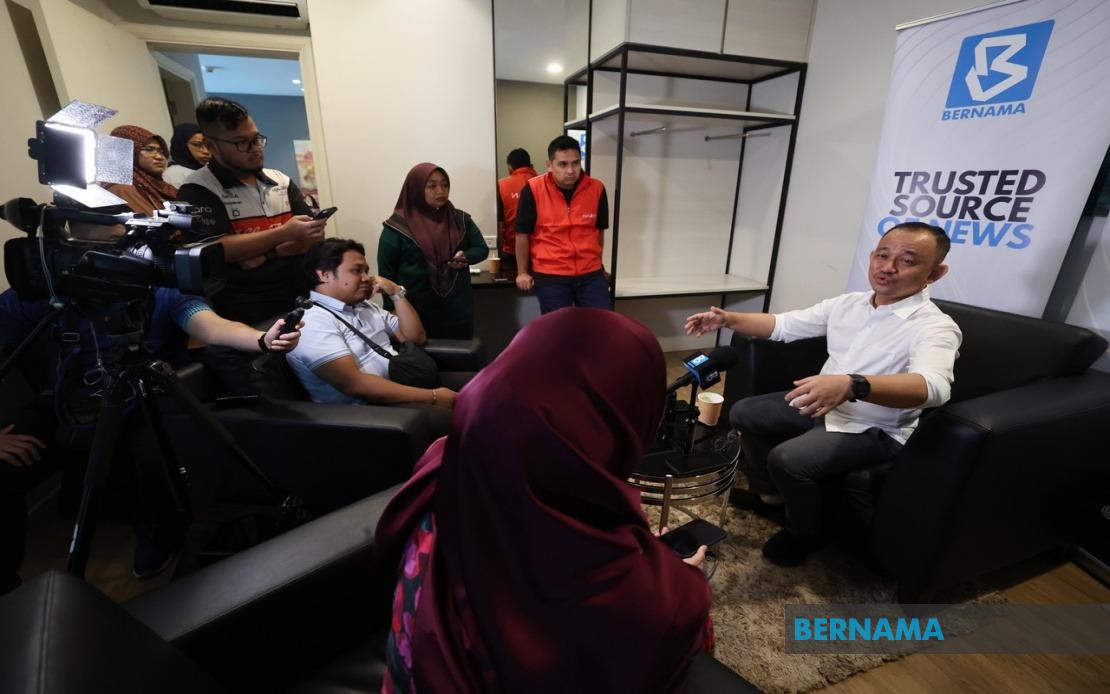
Dr Maszlee Malik, who is contesting the Puteri Wangsa state seat under the PH banner, articulated the coalition's approach during an exclusive interview. He emphasised that PH has deliberately avoided discussing or deliberating on the Menteri Besar position internally, viewing such deliberations as inconsistent with their respect for established constitutional processes. By ceding this decision entirely to the palace, PH seeks to sidestep potential factional disputes that might otherwise emerge from rival camps jockeying for the state's top executive position.
The timing of this clarification is strategically significant. Social media platforms have been rife with speculation linking various PH figures to the Menteri Besar position, with Maszlee himself mentioned among potential contenders. Such conjecture, whether grounded or speculative, could undermine coalition unity at a critical juncture. By publicly subordinating the leadership question to royal prerogative, PH effectively deflates internal ambitions and redirects focus toward electoral victory as the primary objective.
Maszlee's emphasis on PH's broad candidate slate underscores a deliberate messaging strategy. By characterising all 56 candidates contesting in the election as comparable to Marvel's Avengers ensemble, he reframes the coalition's campaign narrative away from individual leadership qualities and toward collective capability. This approach reflects contemporary political wisdom in Malaysia, where distributed leadership and inclusive teamwork rhetoric have gained traction among voters fatigued by personality-driven politics.
The constitutional backdrop to this position warrants examination for Malaysian readers unfamiliar with Johor's unique status. Unlike most Malaysian states, Johor retains a hereditary sultanate with constitutionally enshrined powers that exceed those of state governors in other regions. The Sultan of Johor's prerogative to appoint the Menteri Besar represents a vestigial yet enduring feature of Malaysia's federal system, where monarchical authority persists in specific jurisdictions despite the democratic processes governing state elections. PH's deference to this arrangement signals respect for constitutional monarchy principles that remain foundational to Malaysian governance.
This position also reflects pragmatic coalition management. Federal opposition coalitions contesting state elections must balance multiple competing interests: managing ambitious members seeking high office, maintaining internal cohesion, respecting state-level constitutional traditions, and presenting a unified front to voters. By delegating the Menteri Besar decision to the palace, PH eliminates a potential source of pre-election conflict that could fracture the coalition before voting occurs. Post-election disputes over leadership allocation could still emerge, but they would occur after the coalition has secured its mandate.
The statement carries particular resonance for Johor, a state with significant economic and strategic importance within Malaysia's federation. Johor's internal politics have long involved complex negotiations between federal coalitions and the state sultanate. Previous administrations have sometimes experienced tension between elected representatives and palace preferences, particularly when the two diverged on governance priorities. PH's advance commitment to respect royal prerogative implicitly promises smoother palace-government relations should the coalition win.
For Malaysian political observers, this represents a textbook example of how opposition coalitions navigate constitutional constraints in Malaysia's system. Unlike purely democratic legislatures where elected legislators select executive leadership, Malaysian states with hereditary rulers retain parallel sources of authority. Successful coalitions must accommodate both electoral legitimacy and monarchical prerogative. PH's approach suggests they have internalised these lessons, particularly after their 2018-2022 experience governing at the federal level.
The broader context involves Johor's political realignment in recent years. The state has witnessed shifting electoral dynamics, with constituencies previously considered safe for particular coalitions becoming competitive. This volatility means neither government nor opposition can assume victory, making the Menteri Besar question genuinely uncertain. PH's decision to definitively exclude internal leadership negotiations from their campaign strategy reflects this uncertainty—they are effectively hedging by acknowledging that leadership selection remains contingent on electoral outcomes and palace discretion.
Maszlee's framing of the 56 candidates as interchangeable assets also speaks to evolving expectations around state government performance. Contemporary Malaysian voters increasingly prioritise service delivery, infrastructure development, and economic management over individual leaders' personal credentials or charisma. By emphasising collective capability rather than individual leadership qualities, PH aligns its messaging with these shifting voter priorities.
The implications of this stance extend beyond Johor's borders. Other opposition-controlled states and prospective coalition governments will likely observe how PH manages this balance between democratic mandates and constitutional monarchy. Should PH secure substantial representation in future state elections elsewhere, their precedent of respecting royal appointment prerogatives could influence how other state governments interact with their respective sultans or Yang di-Pertua Negeri.
As polling day approaches, PH's unified stance on the Menteri Besar question removes a potential vulnerability in their campaign narrative. By subordinating leadership ambitions to constitutional propriety and electoral focus, the coalition presents itself as institutionally mature and respectful of Malaysia's constitutional frameworks. Whether this approach translates into electoral gains on July 11 remains to be seen, but strategically, it represents an attempt to control internal narratives and maintain coalition cohesion during the critical final campaign period.

