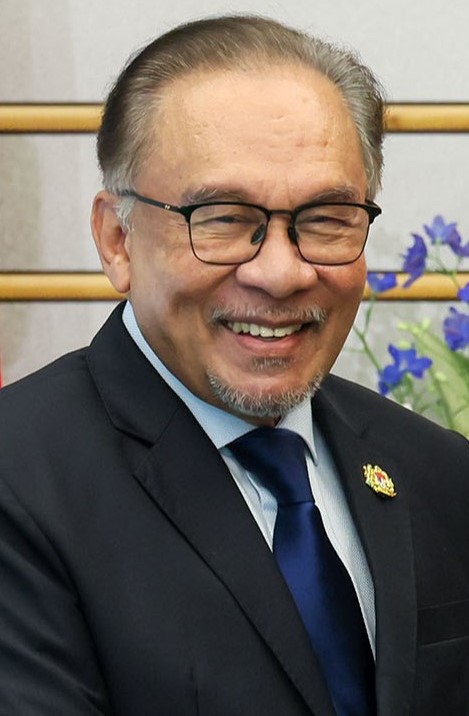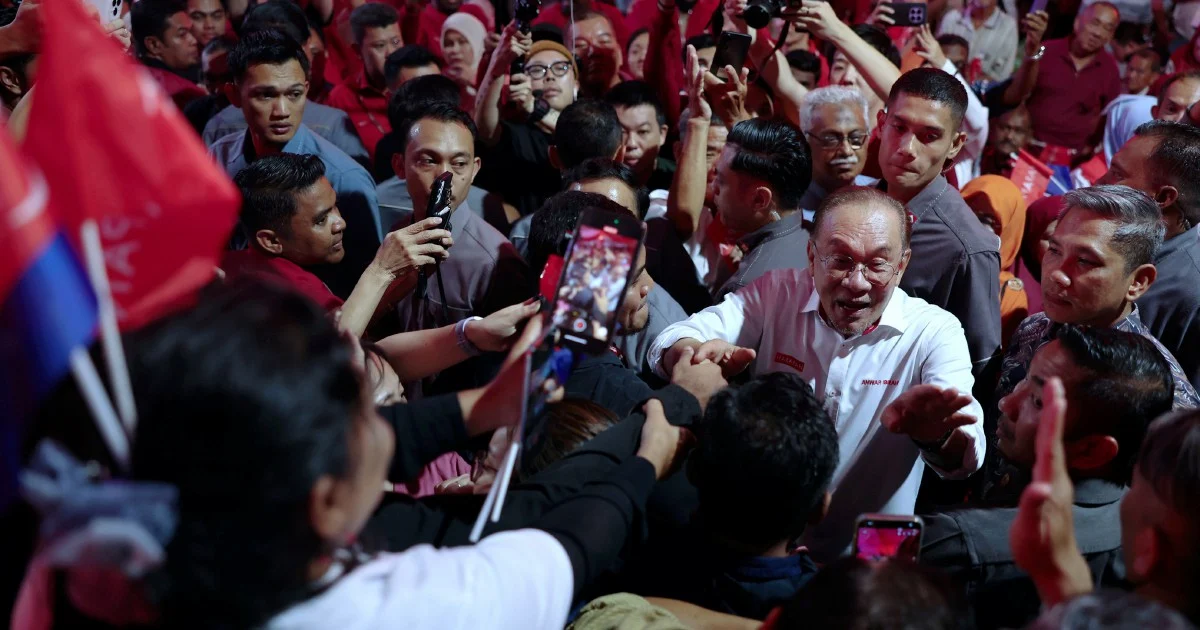
Pakatan Harapan has formally declared its comprehensive roster of 56 candidates for the forthcoming Johor state election scheduled for July 11, marking a critical juncture in the coalition's electoral preparation. The announcement came at an event in Tangkak, with coalition chairman Datuk Seri Anwar Ibrahim presenting the full lineup to party machinery and supporters, signalling the beginning of an intensive campaign phase across Malaysia's southern industrial and agricultural heartland.
The unveiling represents a significant mobilisation moment for the opposition coalition as it seeks to consolidate gains and expand its footprint in one of the country's most politically important states. Johor, with its substantial parliamentary representation and economic influence, has historically served as a bellwether for broader political trends in Malaysia. The state's electoral outcome often carries implications that extend well beyond state-level governance, affecting the national political calculus and the balance of power between competing coalitions at federal level.
Anwar Ibrahim's personal involvement in presenting the candidate slate underscores the strategic importance PH attributes to the Johor contest. His role as coalition chairman positions him as the public face of the campaign effort, allowing him to articulate the coalition's narrative and messaging to voters across multiple constituencies. The event in Tangkak, a district in Johor with its own demographic and electoral characteristics, was selected strategically to begin the public presentation of candidates who will contest across the state's diverse regions.
The composition and distribution of the 56 candidates across Johor's constituencies reflect PH's assessment of competitive battlegrounds and priority areas. The coalition must balance representation from its constituent parties—including PKR, DAP, and Amanah—while ensuring that candidate selection addresses both grassroots concerns and broader strategic considerations. Such distributions often become subjects of intense scrutiny among party members and analysts seeking to gauge where the coalition believes it can make gains or must defend existing positions.
Johor's political landscape has undergone considerable shifts in recent years, with electoral dynamics shaped by demographic changes, economic conditions, and broader national political movements. The state contains a mix of urban centres, industrial zones, and rural areas, each presenting distinct electoral challenges and opportunities. Candidates selected to contest in these varied constituencies must possess credibility and local knowledge specific to their communities while also embodying the coalition's broader policy agenda and values.
The July 11 election date places Johor voters at a critical moment in Malaysia's political calendar, coming as the nation navigates complex governance dynamics at federal level. State elections frequently serve as referendums on national government performance, allowing voters to signal approval or disapproval of central leadership while managing state-level concerns. In this context, PH's candidate slate becomes emblematic of the coalition's confidence in its capacity to govern and its strategic positioning for the months ahead.
Candidate selections in Malaysian state elections carry particular weight because they often reflect delicate negotiations between coalition partners regarding seat allocation, power-sharing arrangements, and long-term political positioning. The announcement of 56 candidates represents the conclusion of these internal discussions and represents a unified front that the coalition will now project to voters. The decision to unveil the complete slate simultaneously, rather than trickling out announcements, demonstrates organisational discipline and a coordinated communication strategy.
For Malaysian voters in Johor, the candidate roster provides the concrete choices they will face in the polling booth. Beyond party symbols and manifestos, individual candidates embody specific local networks, demonstrated capabilities, and personal track records that voters will evaluate when making electoral decisions. The quality and diversity of the candidate pool thus significantly influences the coalition's electoral prospects and the nature of state representation that will emerge from the July 11 contest.
The month preceding the election will see intensive campaign activities, including candidate-led community engagement, coalition rallies, policy announcements, and political messaging across traditional and digital platforms. The candidates unveiled in Tangkak will become the visible faces of Pakatan Harapan's push to secure or expand its position in the state assembly, with each candidate responsible for connecting with voters in their respective constituencies while advancing the coalition's collective narrative.
Looking beyond the immediate campaign period, the outcome in Johor will provide valuable indicators regarding voter sentiment, regional political trends, and the relative strength of competing coalitions as Malaysia moves through its electoral cycle. For PH, successfully translating its candidate slate into legislative seats requires not only effective campaigning but also resonance with voter concerns about economic opportunity, public services, governance integrity, and national direction. The July 11 Johor election thus carries significance extending far beyond the state's boundaries, influencing perceptions of political momentum and viability that will reverberate across the Southeast Asian region's largest democratic system.