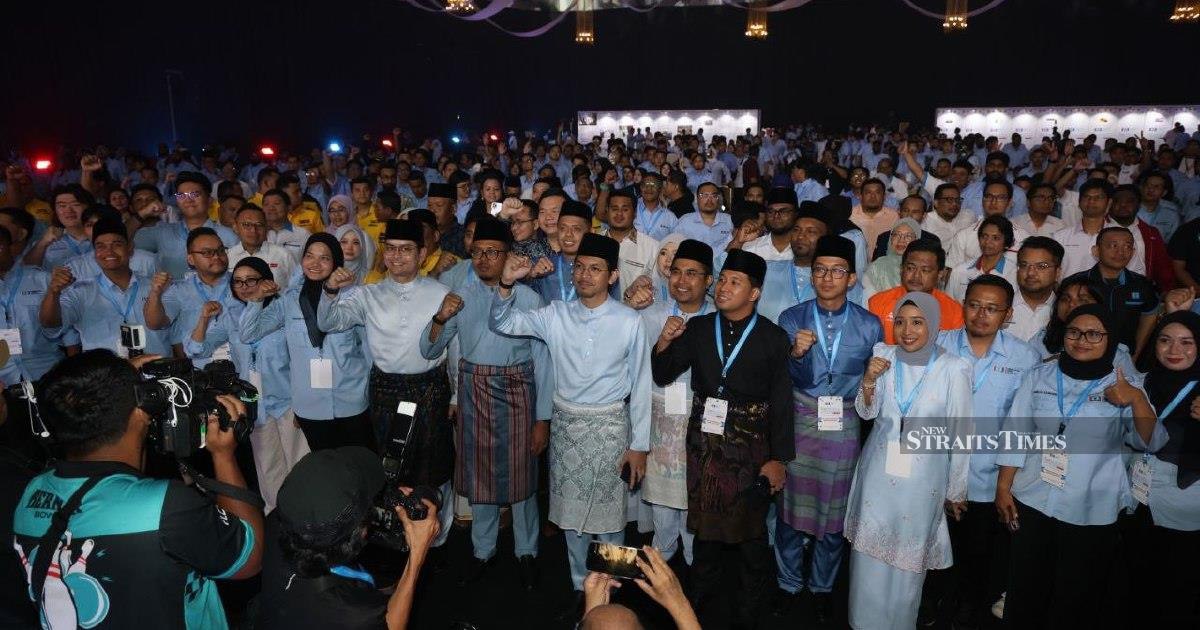
Pakatan Harapan (PH) must focus on restoring voter confidence rather than directing criticism at the electorate, according to PKR Youth chief Muhammad Kamil Abdul Munim, who delivered this assessment at a gathering in Ayer Keroh. His intervention reflects internal discussions within the coalition about how to interpret and respond to recent electoral setbacks that saw the opposition alliance lose ground in both Johor and Negri Sembilan.
Kamil's position carries particular weight as it represents the perspective of younger party members who remain engaged with grassroots politics and constitute an important demographic for PH's future electoral prospects. The statement indicates that some within the coalition recognise the need for self-examination rather than deflection when assessing performance shortfalls. This acknowledgement, made publicly by a senior youth leader, suggests PH is grappling with fundamental questions about its relationship with voters and how to reverse declining support in key states.
The coalition's performance in Johor and Negri Sembilan has raised significant concerns among political analysts and party members alike. Rather than attributing losses to external factors or voting patterns the coalition deems irrational, Kamil's argument implies that PH must understand the substantive reasons underlying voter decisions. This distinction matters considerably because it frames the problem as one requiring genuine programme reform and renewed engagement, not as a public relations challenge or an exercise in narrative correction.
Historically, PH has struggled with internal cohesion and messaging discipline, challenges that have been particularly acute in Peninsular Malaysia where competition from both Barisan Nasional and Perikatan Nasional remains fierce. Johor presents a particular puzzle for PH, given that Barisan maintains substantial traditional support networks and the rural voting base has traditionally favoured established parties. Negri Sembilan, meanwhile, has oscillated between coalition control and opposition dominance, making it a barometer for broader shifts in voter sentiment across the Klang Valley and surrounding regions.
Kamil's framing suggests that PH members are increasingly recognising that the 2020-2022 period of government had not translated into sustained voter confidence. The coalition's time in office coincided with significant economic pressures, the COVID-19 pandemic, and internal political turbulence that eroded public perception of competence and stability. Rather than these being temporary headwinds that would naturally dissipate, they appear to have hardened voter preferences in some areas against PH's return.
The emphasis on rebuilding trust indicates awareness that PH faces a credibility gap rather than a simple messaging problem. Trust, once diminished, requires sustained demonstration of improved governance, clearer policy direction, and visible programme delivery at both federal and state levels. This is a slower process than reversing unfavourable narratives, but potentially more durable if executed successfully. It demands consistency, accountability, and genuine responsiveness to community concerns across diverse constituencies.
For Malaysian voters more broadly, this debate within PH carries implications for the quality of opposition politics. An opposition coalition that blames voters rather than engaging in constructive self-reflection may struggle to present a compelling alternative vision. Conversely, one that genuinely addresses voter concerns and adapts its approach accordingly contributes to healthier democratic competition and higher-quality governance choices at the ballot box.
The geographic dimension of recent losses also matters for PH's broader strategy. Both Johor and Negri Sembilan represent territory where PH or its predecessor coalitions had made inroads, suggesting these are not entirely new challenges but rather reversals of previous advances. Understanding why those advances could not be consolidated or extended becomes crucial for future electoral planning. Kamil's intervention implies that such understanding must come from honest assessment of what voters actually value and where PH's offerings fall short.
Looking ahead, PH's ability to capitalise on Kamil's message depends on whether leadership at federal and state levels takes genuine steps to address voter concerns. This might involve policy adjustments, changes in personnel or communication strategy, or fundamental shifts in how PH approaches governance and constituency engagement. The test will be whether such changes prove sufficiently visible and impactful to convince voters that their earlier rejection of the coalition has been taken seriously.
The broader context involves shifting political alignments across Malaysia, with Perikatan Nasional making gains particularly among younger voters and in rural constituencies, while Barisan Nasional maintains traditional strongholds through established patronage networks. PH's distinctiveness in this landscape increasingly depends on offering something tangibly different in terms of governance quality, anti-corruption commitment, and policy innovation. Kamil's call for trust-building through voter engagement rather than voter criticism aligns with this strategic imperative.

