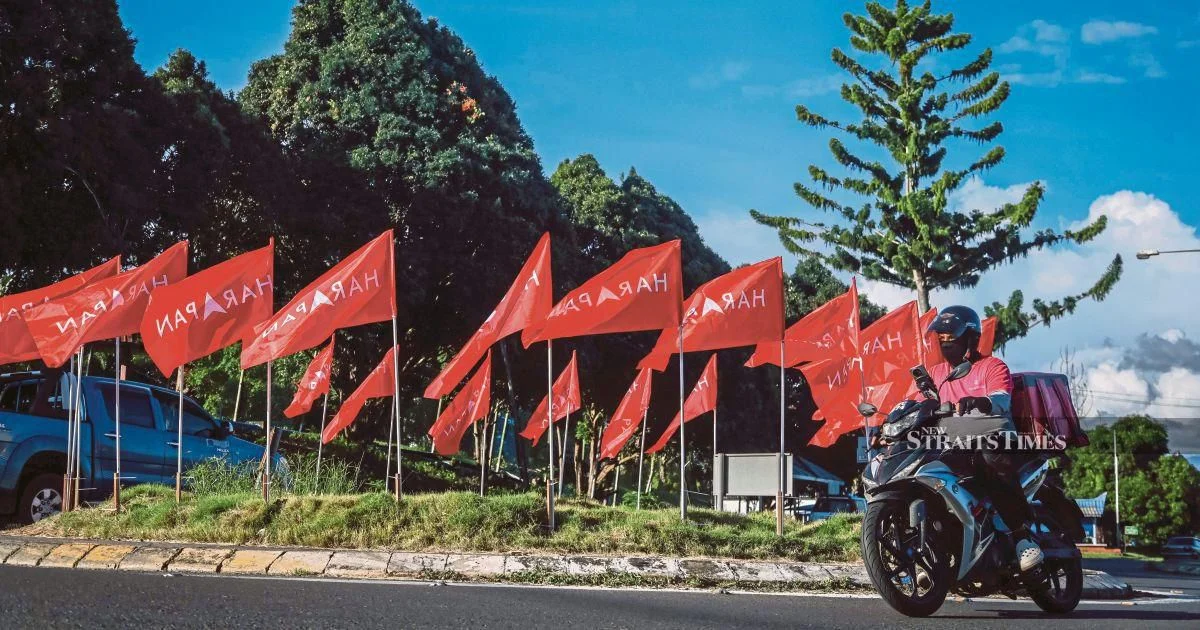
Pakatan Harapan is pushing back against expectations that it must rapidly identify and publicly endorse a menteri besar candidate for the forthcoming 16th Johor state election, signalling instead that such decisions will be made according to the coalition's own readiness rather than external demands.
The stance reflects a wider calculation within PH's leadership that announcing a frontrunner too early could create unnecessary vulnerabilities in what remains a competitive electoral contest. Political parties across Malaysia have historically struggled when opposition groups use the intervening months to systematically undermine designated candidates, and PH appears determined to learn from those experiences.
Johor represents strategically important terrain for any coalition seeking to establish dominance in peninsular Malaysia. The state has historically served as a crucial voting bloc, with its 56 state assembly seats distributed across diverse constituencies that span urban centres, industrial zones, and rural communities. Control of the Johor statehouse directly influences the political momentum heading into any subsequent general election cycle.
The coalition's reluctance to name a menteri besar contender at this juncture suggests confidence in its organisational capacity rather than weakness. By maintaining flexibility around personnel decisions, PH retains the ability to pivot if circumstances shift—whether through unexpected defections, internal party dynamics, or shifting voter sentiment across specific constituencies. This approach also denies rivals the opportunity to launch sustained personal attacks against a single identified figure months before voters cast their ballots.
For Malaysian observers, the timing of such announcements carries genuine political weight. When ruling coalitions or major opposition groups prematurely elevate particular candidates, they inadvertently provide opposing forces with extended runways to conduct opposition research and amplify potential weaknesses. The 15th Johor state election, held in 2018, saw campaigns that intensified around specific personalities, and recent contests have demonstrated how sustained focus on individual leaders can reshape electoral narratives.
PH's approach also reflects lessons learned from other recent state elections across Malaysia, where coalition unity has sometimes fractured when lower-tier party members felt sidelined from important decisions. By keeping menteri besar selection discussions within senior leadership circles for now, the coalition minimises the risk of premature leaks or public disagreements that might signal internal discord to voters.
The political landscape surrounding Johor remains genuinely fluid. The state has experienced significant shifts in recent years, including changes in federal government leadership and realignments within the broader coalition framework. These dynamics mean that identifying the optimal candidate requires careful assessment of which individual can most effectively mobilise support across the state's diverse communities while maintaining cohesion within PH's component parties—Malaysians Democratic Action Party, Malaysian United Indigenous Party, and National People's Party—alongside any potential allies.
Regionally, Johor's political complexion matters considerably beyond state boundaries. A decisive PH victory would reinforce the coalition's control over a strategically positioned state that borders Singapore and contains crucial industrial and port infrastructure. Conversely, opposition gains would suggest cracks in PH's electoral machinery and provide momentum for federal-level challenges. This broader significance makes careful candidate selection all the more crucial.
The coalition's public positioning also recognises that Malaysian voters increasingly reward parties that appear organised and decisive rather than reactive. By resisting what some might characterise as pressure to rush into candidate announcements, PH is essentially communicating that leadership selection reflects deliberate strategy rather than external goading. This messaging can resonate particularly among urban voters who prioritise evidence of genuine planning and competence.
Opposition groups may characterise PH's silence as evasiveness, but such criticism typically gains limited traction when coalitions demonstrate subsequent organisational effectiveness. The coming months will likely see intensified behind-the-scenes deliberation within PH structures as various factions advance their preferred candidates and senior leaders weigh factors including winnability, party balance, and appeal to swing voters in critical constituencies.
The broader principle underlying PH's current stance extends across contemporary Malaysian politics: elections are increasingly won through sustained ground-level engagement rather than through headline announcements made months in advance. Whether through grassroots organising, service delivery in constituencies, or cultivation of community networks, the actual work of securing electoral victory occurs alongside formal campaign period. A menteri besar candidate announced too early becomes yesterday's news by polling day, whereas strategic introduction at an optimal moment generates fresher momentum.
For Johor voters specifically, the implicit message from PH is that leadership selection will reflect careful consideration of their interests rather than coalition convenience or response to external pressure. How effectively the coalition communicates this reasoning—and ultimately how well its chosen candidate resonates across the state's diverse communities—will significantly determine electoral outcomes.