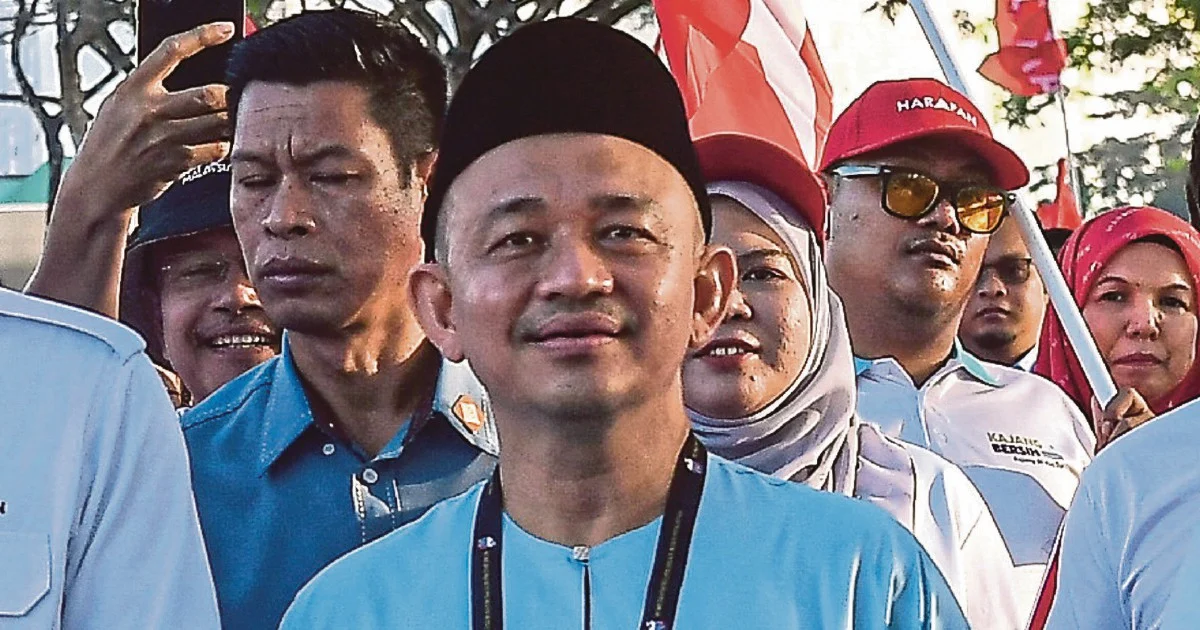
Former education minister Dr Maszlee Malik has positioned a Pakatan Harapan triumph in the upcoming Johor state election as a pivotal moment for the southern state's future direction. Speaking in Johor Baru, Maszlee argued that securing victories at Puteri Wangsa and other strategic constituencies would fundamentally alter how the state approaches its development priorities and policy implementation over the coming years.
The coalition's campaign messaging emphasises discontinuity from existing governance models, with Maszlee framing electoral success as an opportunity to chart a markedly different course for Johor's administration and long-term planning. His remarks underscore the strategic importance Pakatan Harapan places on the peninsula's second-largest state, where demographic shifts and economic challenges have created political space for the opposition alliance to gain ground.
Johor's electoral landscape has undergone significant transformation since the 2018 national election that brought Pakatan Harapan to federal power, albeit briefly. The state has remained a stronghold for Barisan Nasional and its component parties, particularly UMNO, yet recent shifts in voter sentiment and the emergence of alternative political narratives have complicated the political calculus. Urban constituencies like Puteri Wangsa, which encompasses parts of Johor Baru's expanding suburban zones, have become competitive battlegrounds where younger voters and those concerned about economic management increasingly favour opposition alternatives.
Maszlee's intervention as a high-profile former minister carrying national prominence reflects Pakatan Harapan's strategy to elevate the Johor campaign beyond parochial state-level concerns. By invoking broader themes of development and governance renewal, the coalition attempts to position itself as capable of delivering substantive improvements in areas affecting household finances, educational quality, and infrastructure development—domains where Maszlee retains credibility from his previous ministerial tenure.
The invocation of Puteri Wangsa specifically signals Pakatan Harapan's focus on constituencies where demographic advantages and prior electoral performance suggest realistic victory prospects. This targeted approach reflects the coalition's recognition that blanket victories across all 56 state seats remain unlikely, necessitating a concentrated effort on winnable seats while building momentum that could influence overall perceptions of the election's trajectory.
Johor's development trajectory has long been characterised by reliance on established economic sectors—port operations, petrochemicals, and traditional manufacturing—yet the state faces mounting pressure to diversify its revenue base and attract higher-value industries. Pakatan Harapan's development rhetoric emphasises modernisation, technological advancement, and inclusive growth models that differ rhetorically from incumbent administration's approach, though critics note that policy specifics remain somewhat general during campaign phases.
The peninsula's political context matters crucially here. Federal-level policy coordination between state and national governments operates differently depending on partisan alignment. Should Pakatan Harapan gain meaningful representation in Johor's legislature, coalition representatives would gain platforms to influence resource allocation and negotiate more effectively for state-level funding from a federal government they would control. Conversely, a Barisan Nasional-dominated Johor legislature facing a Pakatan Harapan federal government creates inherent tensions in intergovernmental relations that could complicate developmental initiatives requiring federal-state cooperation.
Maszlee's public commitment to Johor's electoral effort comes amid broader Pakatan Harapan positioning following the controversial 2020 Sheraton Move that dislodged the coalition from national power. Rebuilding credibility and demonstrating electoral viability in major states has become essential to the coalition's institutional longevity and ability to attract wavering supporters and politicians. State elections therefore transcend local significance, functioning instead as referenda on coalition performance and future prospects at the national level.
Economic considerations weigh heavily on Johor voters evaluating electoral choices. The state's unemployment rates, wage trajectories, and cost-of-living pressures have intensified since the pandemic disrupted traditional economic patterns. Both Barisan Nasional and Pakatan Harapan frame their electoral platforms around economic recovery and prosperity, yet the coalition emphasises redistributive and welfare-oriented approaches whereas the incumbent administration highlights market-friendly policies and private-sector collaboration. For voters, distinguishing between competing development philosophies requires careful assessment of track records and credible implementation capacity.
The Johor election represents a significant test of whether Pakatan Harapan can convert urban dissatisfaction and governance concerns into sustained electoral gains in a state that has historically preferred established political orders. Maszlee's intervention supplies the coalition with a recognisable national figure capable of amplifying campaign messaging beyond local operatives, potentially swaying undecided voters who retain positive assessments of the previous Pakatan Harapan federal administration despite its brevity. Whether such messaging translates into electoral performance at Puteri Wangsa and other targeted seats will illuminate broader patterns of political realignment within Johor and implications for Malaysia's evolving two-coalition system.

