Pakatan Harapan is bracing itself for an unpredictable voting dynamic in the Johor state election, particularly in the 23 constituencies where Perikatan Nasional has chosen not to contest. The opposition coalition's wariness reflects a deeper anxiety about how voters traditionally aligned with PN might behave when faced with an incomplete ballot, a phenomenon that could significantly alter seat counts in closely marginal contests across the state.
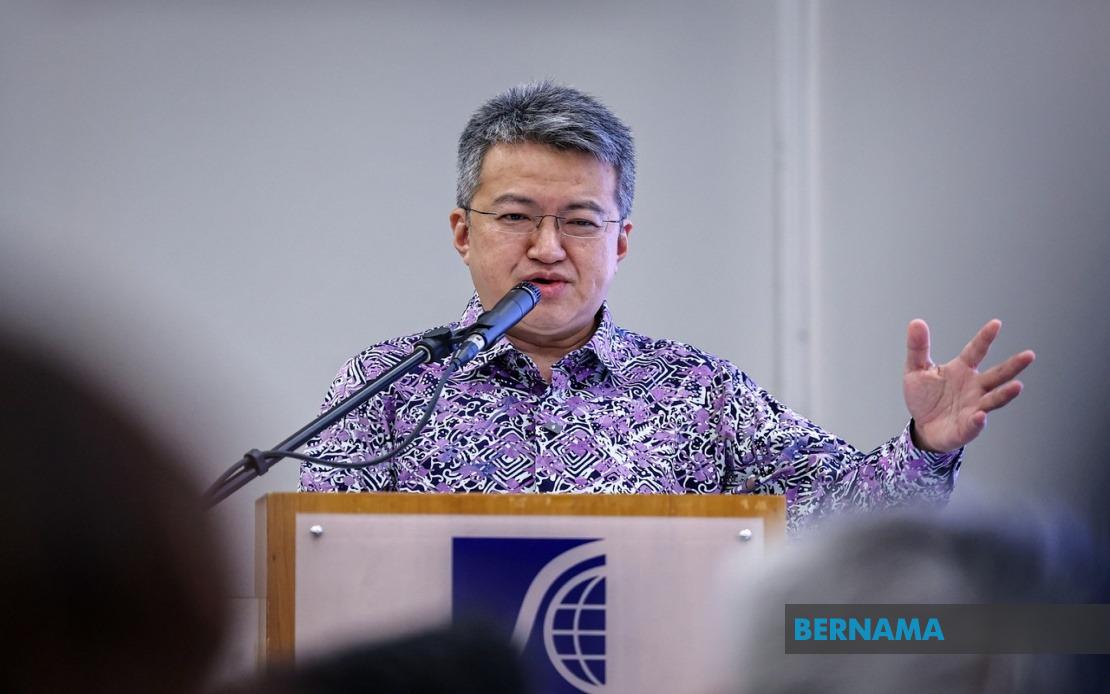
According to DAP Strategic Director Liew Chin Tong, the primary uncertainty revolves around whether PN's voter base will consolidate around PH candidates, splinter toward Barisan Nasional, or express their frustration through spoilt votes or abstention. This three-way uncertainty is particularly acute in constituencies where DAP is the frontrunner, as the party has historically struggled to broaden its appeal beyond its core urban, Chinese-dominated demographics. The Deputy Finance Minister's candid acknowledgment of this challenge represents a rare moment of transparency in Malaysian opposition politics, where electoral arithmetic is typically discussed in guarded terms or not at all.
The strategic implications for PH are substantial. In a state election contested across multiple constituencies, even modest vote shifts of three to five percentage points can determine whether PH gains or loses seats. Should PN voters tactically vote for BN candidates in seats where PH is competitive, it could undermine PH's efforts to build on gains made elsewhere in the state. Conversely, if those voters choose to sit out the election entirely, the reduced turnout might benefit whichever party has superior ground organisation and voter mobilisation capacity.
Liew's statement that "every election presents risks and possibilities that we may not anticipate" underscores the inherent unpredictability of three-cornered or four-cornered contests, which have become increasingly common in Malaysian electoral politics since the 2018 federal election. The fragmentation of the Malay-Muslim political landscape, with PN's presence even in constituencies where it is not fielding candidates, has fundamentally altered how voters make choices. The coalition cannot assume that abstaining from a seat means its supporters will automatically back the strongest opposition candidate.
In response to these uncertainties, PH has deployed what Liew describes as a multipronged strategy centred on fielding young, credible candidates who can connect with local communities beyond traditional party lines. This approach attempts to build personal votes rather than relying solely on party machinery and established voting patterns. The emphasis on renewal also addresses a broader challenge facing PH—the perception among some voters that the coalition represents an ageing establishment lacking fresh ideas or energy.
Liew's own decision to step down from defending the Perling state seat illustrates this strategy in practice. Rather than capitalising on incumbency advantages, which is standard political practice in most democracies, DAP has chosen to demonstrate its commitment to internal renewal by rotating candidates. This approach serves multiple purposes: it sends a signal to voters that DAP prioritises institutional principles over individual political survival, and it creates space for the next generation of party leaders to build their own voter bases and develop constituencies.
The Perling constituency itself exemplifies the complexities PH faces. With 109,992 registered voters, it represents a moderately sized seat in Malaysian terms, large enough that complacency could prove fatal. The three-cornered contest between DAP's Alan Tee Boon Tsong, Barisan Nasional's P. Pannir Selvam, and Bersama's Boo Wei Han suggests a fragmented opposition that could benefit the incumbent coalition if voters split along communal or ideological lines rather than consolidating around the strongest challenger. Tee's background as a former assemblyman from Senai provides him with some name recognition and network effects, though these advantages are finite in an election where voter volatility is heightened.
The decision to field Tee, a Senai-based politician moving to Perling, also raises questions about whether DAP maintains sufficient grassroots presence in constituencies outside the major urban centres. Perling, while part of greater Johor Bahru, is not an urban stronghold in the way that seats like Gelang Patah or Skudai have become. The party's ability to mobilise support for a transferred candidate in such terrain will test whether PH's renewal strategy can translate into actual electoral gains.
The broader context for the Johor election, scheduled for July 11 with early voting on July 7, involves a state that has historically leaned toward BN but has seen increasing volatility since 2018. Johor's significance extends beyond the 56 state seats at stake; it represents a bellwether for peninsular Malaysian politics and signals whether BN's post-2018 revival has genuine depth or remains brittle. A strong showing by PH would suggest momentum heading toward future federal-level contests, while a BN victory would reinforce perceptions that Johor remains a BN stronghold despite the opposition's inroads.
For Malaysian voters monitoring this election, the Johor polls demonstrate how fragmentation in Malaysia's party system has made electoral outcomes less predictable. The presence of PN as a political force that influences voting behaviour without always contesting seats directly adds a layer of complexity absent from simpler two-party or clear two-coalition contests. This dynamic will likely characterise Malaysian elections for the foreseeable future, making campaign discipline, candidate quality, and voter engagement increasingly critical to determining outcomes.
PH's caution, therefore, reflects not timidity but realistic assessment of the constraints it faces. The coalition cannot control PN's strategic decisions, nor can it easily persuade PN voters to support its candidates through rhetorical appeals alone. Instead, PH must rely on the quality of its local candidates, the strength of its ground organisations, and its capacity to articulate a vision for Johor that appeals to voters across communal lines. Whether Liew's expressed vigilance and renewed focus on grassroots campaigning will translate into electoral success remains uncertain until voters cast their ballots on July 11.

