Pakistan and Syria are pursuing a comprehensive reset of their diplomatic and economic relationship, with both nations signaling intent to strengthen ties across multiple fronts during a landmark visit to Islamabad by Syrian Foreign Minister Asaad Hassan Al Shaibani. The visit, the first by a Syrian foreign minister to Pakistan in nearly two decades, underscores a broader regional recalibration as Damascus seeks to rebuild international partnerships following years of international isolation linked to its civil conflict.
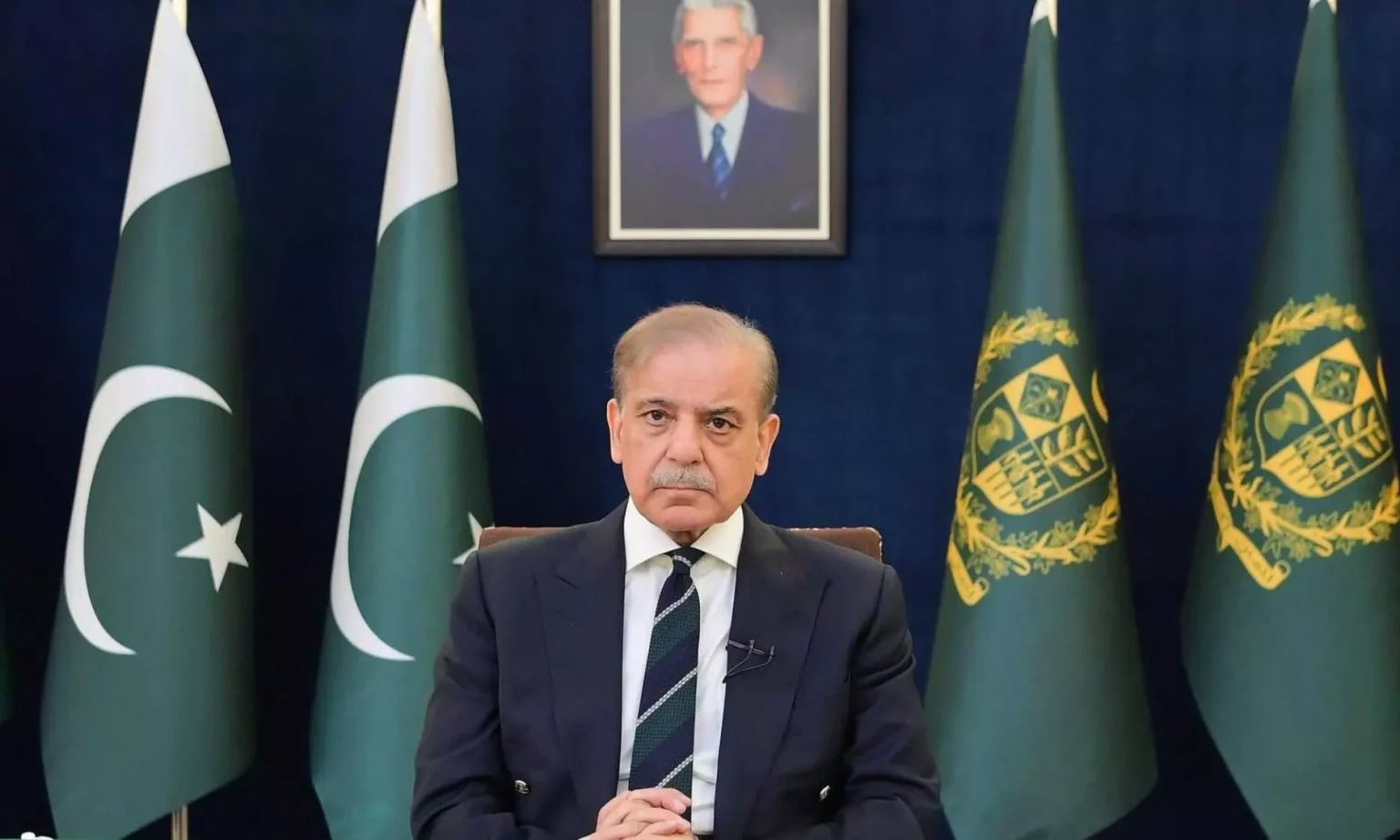
Syrian Foreign Minister Shaibani met with Prime Minister Shehbaz Sharif on Thursday, engaging in substantive discussions on bilateral cooperation with Pakistan's key ministers. The encounter represents a significant diplomatic moment for both nations, particularly for Syria as it attempts to normalize relations with regional and international actors following its reintegration into Arab League structures earlier this year. For Pakistan, the engagement reflects its broader strategy of maintaining strategic flexibility and deepening ties with Middle Eastern and West Asian countries beyond traditional alliance frameworks.
Prime Minister Sharif reiterated Pakistan's unwavering support for Syria's national unity, territorial sovereignty and integrity, explicitly reaffirming Islamabad's position regarding the Golan Heights—a territory Syria lost to Israel in 1967 and continues to contest. This rhetorical commitment carries significance within the Arab world and signals Pakistan's alignment with Syrian interests on this contentious geopolitical issue. The emphasis on sovereignty and territorial integrity reflects shared concerns between Pakistan and Syria regarding external pressures and territorial disputes that have defined both nations' foreign policy anxieties.
The discussions centered on converting historical goodwill into tangible cooperation across multiple sectors. Prime Minister Sharif emphasized the necessity of translating decades of Pakistan-Syria friendship into enhanced engagement spanning political dialogue, defense partnerships, trade and investment frameworks, educational exchanges, and human resource development initiatives. This multisectoral approach suggests both countries view the relationship as having potential beyond ceremonial diplomacy, with concrete mechanisms needed to operationalize cooperation.
A particularly noteworthy initiative involves the resumption of direct flight services between the two nations. Restoring air connectivity would substantially facilitate people-to-people exchanges, business travel, and cultural interactions that have atrophied during Syria's years of international estrangement. The aviation linkage represents a practical measure with symbolic weight, demonstrating both governments' commitment to normalizing everyday interactions and reducing barriers to bilateral engagement at grassroots levels.
Deputy Prime Minister and Foreign Minister Ishaq Dar engaged extensively with his Syrian counterpart on regional and international developments. Their conversation encompassed the Palestinian situation, competing claims over the Golan Heights, the Taliban-controlled situation in Afghanistan, broader South Asian security dynamics, and emerging developments across West Asia. This comprehensive agenda reveals how Pakistan and Syria view themselves as stakeholders in interconnected regional challenges requiring coordinated diplomatic responses.
Syrian officials welcomed Pakistan's recent Makkah Joint Defence Agreement, a multilateral security framework designed to enhance coordination among participating states. More significantly, Damascus commended Pakistan's constructive diplomatic initiatives toward regional peace and stability, particularly Islamabad's efforts at de-escalation in the contentious United States-Iran relationship. This acknowledgment suggests Syria views Pakistan as a potentially valuable intermediary capable of navigating complex geopolitical tensions and facilitating dialogue between adversarial regional powers.
Commerce Minister Jam Kamal Khan held parallel discussions with Shaibani focused specifically on expanding trade volumes and investment opportunities. Khan advocated for greater private sector engagement between Pakistani and Syrian businesses, recognizing that government-to-government frameworks require corresponding commercial dynamism to achieve sustainable economic growth. The private sector emphasis reflects recognition that lasting bilateral relationships require entrepreneurial participation and business incentives beyond official protocols.
Syrian officials articulated infrastructure and reconstruction requirements that Pakistan's commerce sector might help address. Following Syria's devastating civil war, reconstruction represents an enormous undertaking requiring international investment, technical expertise, and supply chains. Pakistani businesses in construction, engineering, telecommunications, and consumer goods sectors could potentially participate in Syria's post-conflict rebuilding, generating mutual economic benefits while strengthening bilateral ties through commercial interdependence.
Both governments agreed to establish a joint business council specifically designed to promote commercial cooperation and facilitate business-to-business partnerships. This institutional mechanism would create formal structures for ongoing commercial dialogue, investment promotion, and sector-specific cooperation initiatives. The business council concept reflects international best practices in economic diplomacy, creating dedicated channels through which private sector actors can engage directly without requiring constant government mediation.
For Malaysia and Southeast Asian observers, the Pakistan-Syria engagement offers insights into evolving Middle Eastern diplomatic dynamics. As Middle Eastern states recalibrate their international positioning and rebuild relationships following regional conflicts, countries like Pakistan demonstrate how geographic positioning between South Asia and the Middle East enables strategic maneuvering. The emphasis on multilateral frameworks, regional cooperation mechanisms, and balanced relationships mirrors approaches Southeast Asian nations employ when navigating great power competition and complex regional interests.
The timing of this diplomatic initiative carries additional significance given Syria's gradual international rehabilitation following its Arab League readmission. Pakistan's proactive engagement signals willingness to support Syria's reintegration into normal international relations while positioning itself as a reliable partner capable of maintaining relationships across diverse political contexts. For Southeast Asian nations managing relationships with regional powers holding divergent geopolitical alignments, Pakistan's diplomatic approach illustrates techniques for maintaining influence and partnership breadth without compromising core interests or alienating key allies.

