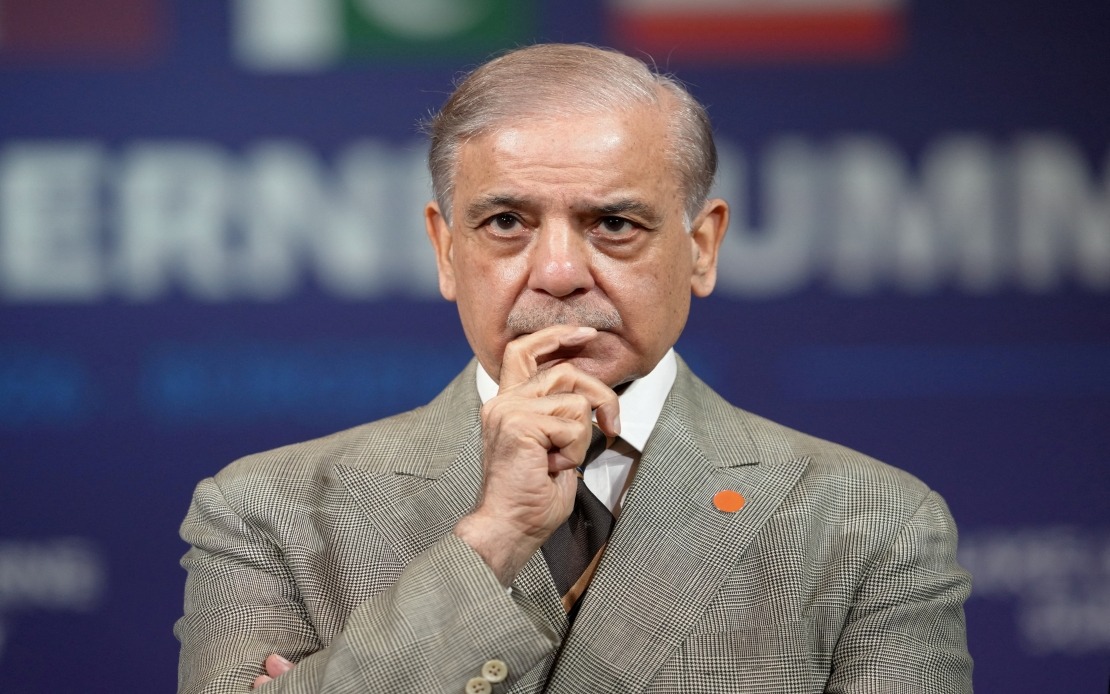
Pakistan and Turkiye have signalled their intent to deepen economic cooperation following high-level talks in Istanbul on Saturday, when Prime Minister Shehbaz Sharif met with President Recep Tayyip Erdogan. The two nations discussed a range of bilateral and regional matters whilst charting a path toward stronger commercial ties that could reshape trade patterns in South Asia and the Eastern Mediterranean.
Central to their discussions was an ambitious USD 5 billion annual trade target, reflecting both countries' determination to move beyond traditional diplomatic niceties toward concrete commercial outcomes. This target, if achieved, would substantially expand the existing bilateral trade footprint and position both nations as regional economic anchors. For Pakistan, deepening ties with a NATO member state and G-20 economy offers access to Turkish capital, technology, and market expertise. For Turkiye, engagement with South Asia's second-largest economy opens investment opportunities and strengthens its regional influence beyond traditional Middle Eastern spheres.
A signature initiative emerging from the talks was the proposed Pakistan-Turkiye digital corridor, a framework designed to facilitate secure cross-border data flows and integrate digital infrastructure across both nations. Prime Minister Shehbaz articulated this vision during separate discussions with Turkcell Chief Executive Officer Ali Taha Koc, positioning digital integration as foundational to broader economic partnership. The digital corridor concept carries particular relevance for Southeast Asia, where regional blocs like ASEAN have prioritised digital economy development and cross-border data frameworks. Pakistan and Turkiye's initiative suggests a template that other South Asian and Middle Eastern countries might emulate.
Energy cooperation emerged as a priority sector. Both nations face chronic energy challenges—Pakistan grapples with power shortages that constrain industrial growth, whilst Turkiye seeks diversification of its energy sources. Turkish expertise in hydroelectric and renewable energy projects, combined with Pakistan's substantial untapped hydro potential and strategic location along potential energy corridors linking Central Asia to South Asia, creates natural complementarities. Beyond energy, discussions encompassed transportation networks, critical minerals procurement, and advanced manufacturing—domains where Turkish firms possess competitive advantages and Pakistani markets offer expansion opportunities.
The breadth of Pakistan's negotiating team underscored governmental seriousness. Deputy Prime Minister and Foreign Minister Ishaq Dar coordinated discussions alongside ministers overseeing maritime affairs, power generation, petroleum, privatisation, information technology, and telecommunications. This whole-of-government approach reflects recognition that modern economic integration transcends single sectors; it demands coordination across infrastructure, regulatory frameworks, and technological domains. The delegation's composition signals to Turkish counterparts that agreements will receive implementation backing at the highest levels.
Turkish business participation reflected genuine commercial interest. Executives from Koc Holding, one of Turkiye's largest conglomerates, alongside representatives from appliance manufacturer Arcelik, gas distributor Aygaz, and trading firm Demir Export, attended the Pakistan-Turkiye business conference. These companies represent diverse sectors—consumer goods, energy distribution, and commodity trading—suggesting a multifaceted approach to market entry rather than concentration in a single industry. Their presence indicates that Turkish capital sees Pakistan not as a marginal frontier market but as a destination worthy of substantive corporate investment.
Investment discussions concentrated on manufacturing, mining, and industrial development, sectors where Pakistan possesses raw material endowments and labour cost advantages whilst lacking capital and technical expertise. Turkish investors bring both. Pakistan's mining sector, particularly in Balochistan, remains largely underdeveloped despite vast reserves of copper, gold, and other minerals. Turkish mining expertise could unlock value in these reserves, generating employment and government revenue whilst creating integrated supply chains benefiting both economies. Manufacturing partnerships could similarly establish Pakistan as a production base serving both South Asian and Middle Eastern markets.
From a Malaysian and Southeast Asian perspective, this Pakistan-Turkiye rapprochement carries strategic implications. It demonstrates how nations can leverage geographic position and complementary economic structures to forge partnerships that enhance regional connectivity. ASEAN members, particularly those pursuing ASEAN Connectivity initiatives, might observe how Pakistan and Turkiye are institutionalising economic cooperation through sector-specific frameworks. The digital corridor concept particularly warrants attention, as digital integration represents a competitive advantage in an increasingly technology-driven regional economy.
The announcement also reflects broader geopolitical reorientation. Pakistan has historically maintained closer ties with Middle Eastern economies, particularly Gulf states. Expanding engagement with Turkiye, whilst maintaining those relationships, diversifies Pakistan's economic partnerships and reduces singular dependency. For Turkiye, deepening South Asian engagement counters any sense of isolation from Western partners whilst expanding its civilisational and economic reach. Both nations benefit from partnerships that strengthen their independent agency and regional influence.
Implementation remains paramount. Trade targets and investment pledges frequently exceed actual outcomes when execution frameworks prove inadequate. Both nations must establish bilateral trade facilitation bodies, harmonise technical standards, and develop financing mechanisms that enable mid-sized enterprises—not merely multinational corporations—to participate. Pakistan's privatisation ministry's involvement suggests possible infrastructure partnership opportunities, potentially encompassing ports, roads, or utilities where Turkish construction and operational expertise could prove valuable.
The timing of these announcements coincides with Pakistan's economic stabilisation programme following International Monetary Fund support. Demonstrating foreign investor confidence through Turkish engagement strengthens Pakistan's broader economic narrative and potentially unlocks additional capital flows. For Turkiye, the visit provides evidence of expanding influence beyond traditional spheres and expanding bilateral relationships that enhance its regional standing as both a European and Asian power.
Moving forward, success will depend on translating diplomatic declarations into commercial reality. The USD 5 billion target, digital corridor framework, and sectoral cooperation initiatives represent ambitious but achievable objectives if both governments maintain political commitment and their private sectors find genuine commercial opportunity. For observers across Southeast Asia and beyond, the Pakistan-Turkiye partnership demonstrates how determined nations with complementary assets can construct economic relationships that serve mutual interests whilst strengthening regional architecture.

