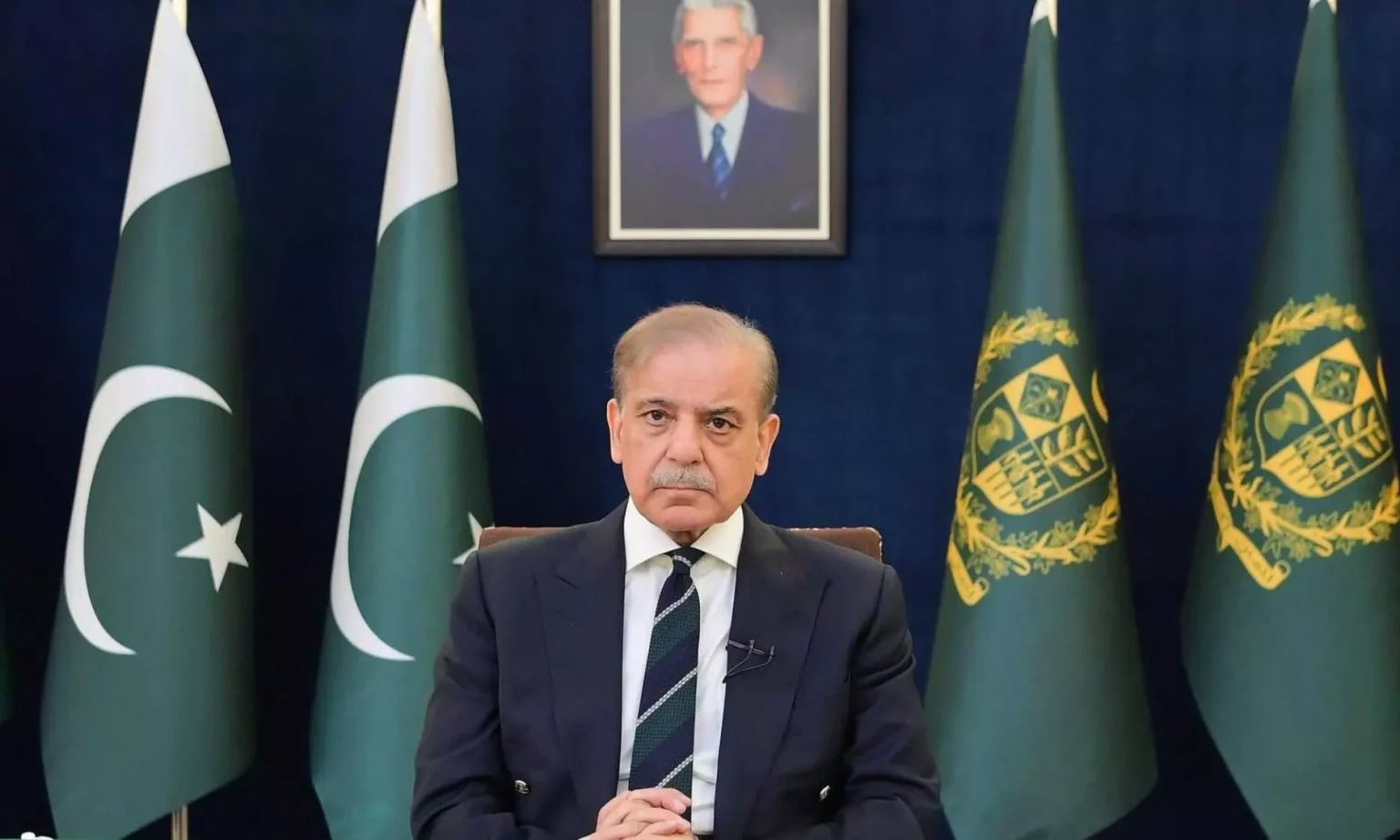
Pakistan Prime Minister Shehbaz Sharif is set to attend the funeral of Iran's Supreme Leader Ayatollah Ali Khamenei in Tehran on July 4, underscoring the diplomatic importance Islamabad places on its relationship with Tehran during a period of regional transition. The announcement came through Pakistan's Foreign Ministry spokesman Tahir Andrabi during a media briefing in Islamabad on Thursday, marking an official acknowledgment of Pakistan's engagement with the Iranian leadership at a sensitive moment.
The Pakistani premier's participation carries symbolic weight beyond the ceremonial aspects of state funeral protocol. By dispatching his country's top political executive, Pakistan signals continuity in its strategic ties with Iran, a neighbour with whom it shares a long border and complex historical ties spanning security, trade, and geopolitical considerations. The funeral attendance represents an opportunity for Pakistan to reaffirm diplomatic bonds while simultaneously positioning itself as a responsible regional player during a period when Iran faces succession questions affecting the broader Middle East and South Asia.
According to the Foreign Ministry's statement, Sharif will formally convey condolences on behalf of the Pakistani government and its 230 million citizens to Iran's leadership and the families affected by Khamenei's death. This ceremonial dimension, while traditional in international relations, carries practical significance given Pakistan's historical support for maintaining stability in Iran and its interest in preserving economic and security cooperation with the Islamic Republic. The timing of this diplomatic gesture may also serve to reinforce Pakistan's independent foreign policy positioning, particularly relevant given its complex relationships with multiple regional and international powers.
The prime minister's journey will extend beyond Tehran, with a planned visit to Turkey immediately following the funeral ceremony. This two-nation tour, scheduled for July 3-5, reflects a broader Pakistani strategy to engage simultaneously with key regional actors. Turkish President Recep Tayyip Erdogan's invitation suggests bilateral discussions will focus on matters of mutual concern, likely encompassing economic partnerships, security cooperation, and broader Middle Eastern developments. The sequential visits to Iran and Turkey demonstrate Pakistan's balancing approach to major regional powers, maintaining engagement across different geopolitical camps.
Shehbaz's delegation will be substantial and high-level, including Deputy Prime Minister and Foreign Minister Ishaq Dar alongside several cabinet ministers. This composition indicates that discussions in both Tehran and Ankara will address substantive policy matters rather than serving as routine diplomatic courtesies. The inclusion of the foreign minister particularly signals that bilateral and regional issues form the core agenda, with Pakistan prepared to engage at senior ministerial levels on questions affecting South Asian and Middle Eastern stability.
India's representation at the same funeral ceremony, through Bihar state governor Syed Ata Hasnain and deputy foreign minister Pabitra Margherita, reflects how Iran's transition has attracted diplomatic attention from across South Asia. The contrasting levels of representation between Pakistan and India—with Islamabad sending its prime minister while India dispatches lower-ranking officials—may subtly underscore differing approaches to the Iranian government. Pakistan's higher-level participation could reflect its geographic proximity to Iran, its extensive border and trade relationships, and perhaps its historical alignment with Iran on various regional issues despite occasional tensions.
The funeral itself becomes a gathering point for regional and international observers seeking to understand how Iran's leadership transition might affect broader geopolitical dynamics. For Pakistan, whose security calculations heavily depend on Iranian stability and cooperation on border management and counterterrorism, the funeral represents both a moment of diplomatic engagement and an opportunity to assess the direction of Iranian foreign policy under new leadership. The presence of Pakistani leadership allows for informal conversations with other delegations and Iranian officials that may not occur through regular diplomatic channels.
From a Malaysian and Southeast Asian perspective, Pakistan's engagement with Iran illustrates how South Asian nations maintain complex diplomatic relationships that influence regional security architectures. Pakistan's balancing act between Iran and Saudi Arabia, reflected partly through its attendance at high-level Iranian state events, has implications for broader Islamic world unity and regional stability. Understanding these South Asian diplomatic patterns provides context for how regional players navigate geopolitical competition while maintaining pragmatic relationships necessary for economic and security cooperation.
The July 3-5 timeframe for Pakistan's diplomatic mission also suggests coordination with other international delegations attending the funeral, potentially allowing for multilateral discussions on issues affecting Afghanistan, terrorism, and regional economic cooperation. Pakistan's interests in these areas—particularly regarding stability in Afghanistan and countering militant groups operating across borders—make engagement with Iran and Turkey simultaneously valuable for advancing Islamabad's policy objectives.
For observers monitoring regional developments, Pakistan's funeral attendance represents a continuation of its historical diplomatic engagement with Iran, despite periodic tensions related to sectarian issues and bilateral disagreements. The prime ministerial level of representation demonstrates that despite such friction points, Pakistan maintains Iran as a significant strategic partner requiring top-level diplomatic attention and formal respect during moments of national importance.

