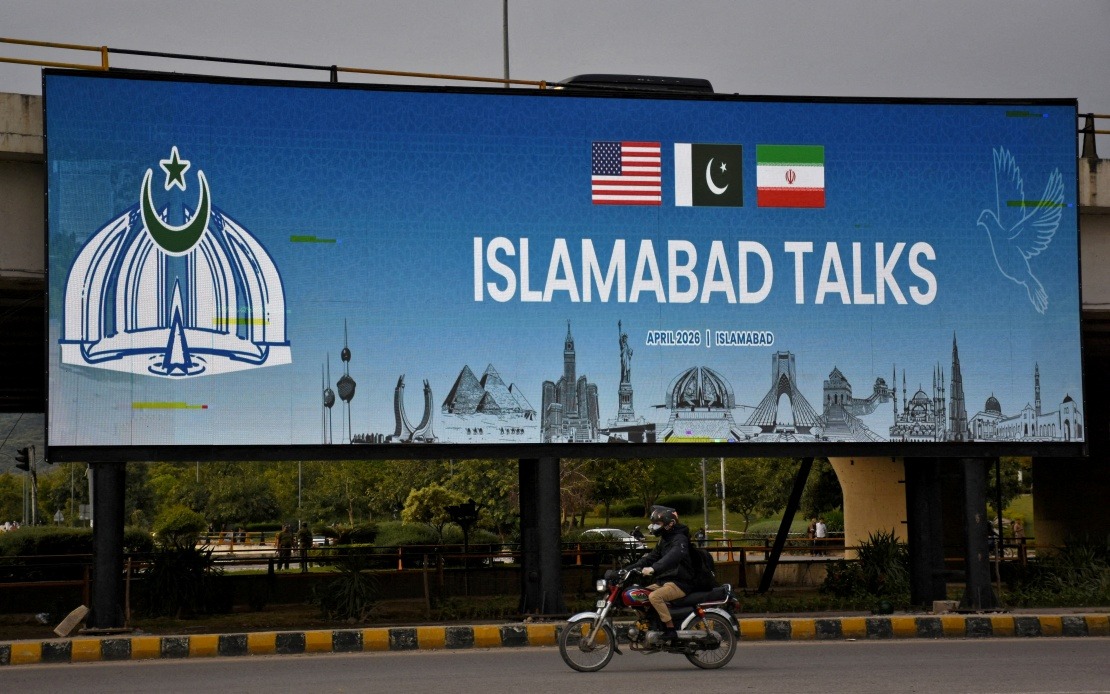
Pakistan is set to become the venue for a significant round of negotiations between Washington and Tehran on July 11, according to reports from Al Arabiya. The resumption of talks marks a continuation of recent diplomatic momentum between the two adversaries, who have been engaged in high-stakes discussions aimed at resolving decades of tension and establishing a framework for long-term stability in the Middle East.
The agenda for these Pakistan-based talks encompasses several critical issues that have long divided the United States and Iran. Sanctions imposed on Tehran represent a central point of contention, with Iranian negotiators expected to push for comprehensive relief from the economic measures that have crippled the country's economy. Alongside sanctions, the talks will address Iran's frozen assets held in international accounts—a matter of substantial financial significance for the Iranian government. The nuclear dimension remains perhaps the most complex component of these negotiations, requiring intricate technical discussions and confidence-building measures from both parties.
The timing of the Pakistan talks appears strategically coordinated with significant domestic developments in Iran. According to reports, the composition and seniority of the Iranian delegation will be finalised only after the funeral of former Iranian Supreme Leader Ali Khamenei, scheduled for July 9. This suggests that Tehran may reconsider its negotiating team composition in light of leadership transitions or symbolic moments within the Iranian political establishment. The two-day gap between Khamenei's funeral and the resumption of talks provides space for the Iranian government to reassess its diplomatic strategy and potentially adjust its negotiating positions.
The foundation for these upcoming discussions was laid in mid-June when the United States and Iran achieved a historic memorandum of understanding. Signed remotely on the night of June 17-18, this agreement established the framework for ending military hostilities that had escalated since February 28. The memorandum represents a significant breakthrough in reducing immediate military tensions between the two nuclear-armed regional powers, a development with profound implications for broader Middle Eastern stability and international security.
The June memorandum contained several concrete undertakings that demonstrate the seriousness of both parties' commitment to de-escalation. The United States pledged to lift its naval blockade of Iranian ports, a measure that has severely constrained Iran's maritime commerce and access to international markets. Reciprocally, Iran committed to restoring shipping routes through the Strait of Hormuz, one of the world's most strategically vital waterways through which approximately one-third of global maritime oil trade transits. These complementary commitments address immediate military and economic concerns while creating conditions for broader diplomatic progress.
Regarding the nuclear question, both nations have taken a notably measured approach that demonstrates realistic diplomacy. Iran has committed itself to not pursuing nuclear weapons acquisition, addressing a primary concern of the United States and the broader international community. Rather than attempting to resolve all nuclear-related issues within the broader framework, the parties have established a dedicated negotiating track specifically for Iran's nuclear programme, recognising its technical complexity and the entrenched positions on both sides. The 60-day timeline established for these nuclear discussions provides a defined deadline while acknowledging that such complex technical and political matters require genuine engagement rather than hasty agreement.
For Iran, the fundamental objective emerging from these negotiations centres on the lifting of anti-Iranian sanctions. The Iranian leadership views sanctions relief not merely as a technical economic issue but as central to national dignity and economic recovery. The accumulated impact of multilayered sanctions regimes has devastated Iran's banking sector, energy exports and access to international commerce, making sanctions relief politically essential for any Iranian government that wishes to claim diplomatic success before its domestic audience.
The selection of Pakistan as the venue for these talks carries its own significance within regional diplomacy. Pakistan maintains working relationships with both the United States and Iran, though these relationships have been periodically strained. Islamabad's role as host nation suggests it views itself as a responsible stakeholder capable of facilitating regional dialogue and potentially benefiting from reduced US-Iran tensions through improved security conditions in neighbouring Afghanistan and the broader region. Pakistan's geographic position between Iran and the broader Asia-Pacific region also makes it a natural intermediary for such high-level negotiations.
For Southeast Asian observers and policymakers, including those in Malaysia, these US-Iran developments warrant close attention. Any sustained improvement in US-Iran relations carries implications for global oil markets, given Iran's significant petroleum reserves and production capacity. Reduced tensions could eventually lead to increased Iranian oil supplies entering international markets, potentially affecting energy prices across Asia. Additionally, broader US strategic attention focused on Iranian negotiations may influence American foreign policy priorities in Southeast Asia and the Indo-Pacific region, an area where the United States seeks to maintain its influence and contain Chinese expansion.
The outcome of the July 11 Pakistan talks will be closely monitored by regional governments, international observers and global markets. Success in narrowing differences on sanctions, asset unfreezing and establishing a credible pathway toward nuclear accord resolution could fundamentally reshape Middle Eastern geopolitics and reduce risks of military confrontation between two major regional powers. Conversely, failure to achieve substantive progress could precipitate renewed escalation and undermine the fragile ceasefire framework established just weeks earlier. The stakes involved extend well beyond bilateral US-Iran relations, encompassing regional stability, global energy security and the international rules-based order that affects nations throughout Asia and beyond.

