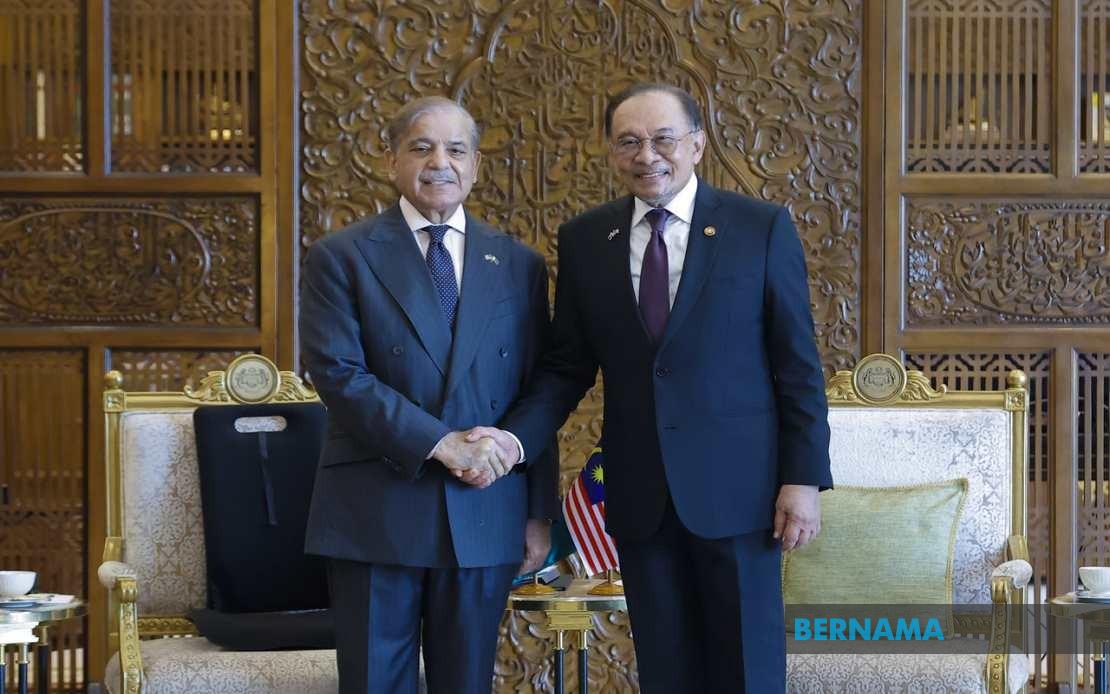
Pakistani Prime Minister Shehbaz Sharif has publicly extended his prayers and well-wishes for Malaysian Prime Minister Datuk Seri Anwar Ibrahim following medical procedures the Malaysian leader underwent on Monday. The gesture of solidarity reflects the strengthening diplomatic ties between Pakistan and Malaysia, two significant players within the Islamic and developing world blocs. Sharif's public message, shared via social media platform X, demonstrates the personal rapport that has been cultivated between the two leaders during their respective tenures.
In his statement, Sharif expressed hope for Anwar's swift return to full health and his duties as premier. The Pakistani leader noted that the people of Pakistan joined him in extending prayers for the Malaysian Prime Minister's continued well-being. Such public expressions of support carry particular weight in the context of regional diplomacy, signalling mutual respect and solidarity between two major Muslim-majority nations with complementary strategic interests.
According to Anwar's Senior Press Secretary Tunku Nashrul Abaidah, the Malaysian Prime Minister underwent a series of medical examinations and procedures that had been specifically prescribed by a team of medical specialists. The nature and details of the procedures were not disclosed to the public, reflecting standard privacy protocols observed by government officials undergoing routine or scheduled medical interventions. This measured approach to sharing health information maintains dignity whilst keeping relevant stakeholders informed of the Prime Minister's operational status.
The medical team's assessment indicated that Anwar would require a two-day observation period following the procedures. This timeline suggests the interventions were sufficiently complex to warrant monitored recovery, yet not of an emergency or acute nature that would necessitate extended hospitalisation. The structured observation schedule allowed for continuity of government operations whilst ensuring the Prime Minister received appropriate post-procedure medical oversight.
The timing of Sharif's public message underscores the importance placed on leadership continuity and stability within regional governments. Pakistan, under Sharif's stewardship, has navigated significant economic and political challenges in recent years, making his recognition of the importance of Malaysia's stable governance particularly meaningful. Both leaders have prioritised pragmatic economic cooperation and have worked to strengthen bilateral relations across trade, defence, and cultural domains.
Malaysia and Pakistan have increasingly deepened their engagement through multilateral platforms including the Organisation of Islamic Cooperation and the Non-Aligned Movement, where both nations maintain considerable influence. Sharif's gesture reflects an understanding that leadership stability in any major regional power carries implications for the broader Asia-Pacific strategic landscape. The message also aligns with broader Islamic world solidarity, wherein leaders across Muslim-majority nations typically extend support to counterparts facing health challenges.
For Malaysian observers, the international support extended by a neighbouring regional power such as Pakistan provides reassurance regarding the global acknowledgment of Anwar's leadership position. Since assuming office, the Malaysian Prime Minister has worked to rehabilitate Malaysia's international standing and strengthen partnerships across Asia and the Muslim world. Sharif's public expression of support reinforces this diplomatic trajectory.
The incident also highlights how modern political communication operates across multiple channels simultaneously. The use of social media platforms to convey official sentiments has become standard practice for contemporary world leaders, enabling rapid and direct communication with both domestic and international audiences. Sharif's choice to use X ensured that his message reached Malaysian observers, international media, and Pakistan's own citizens concurrently.
From a broader perspective, the coordination of government functions during a leader's temporary medical absence underscores the institutional maturity of both Pakistani and Malaysian administrations. Deputy ministers and cabinet colleagues would ensure that routine governmental operations continued without disruption, demonstrating that no single leader is indispensable to the functioning of the state apparatus. This institutional resilience is particularly important for investor confidence and regional stability.
The diplomatic courtesy extended by Pakistan's leadership also reflects pragmatic recognition that Malaysia holds strategic importance within Asian economic networks and regional political calculations. As a leading economy in Southeast Asia and a bridge between Asian and Middle Eastern networks, Malaysia's continued stability serves broader regional interests that Pakistan shares. Sharif's message thus carries both personal and strategic dimensions.
Looking forward, the incident demonstrates the normalisation and regularisation of bilateral relations between Pakistan and Malaysia, moving beyond crisis-driven diplomacy toward sustained engagement. Both nations benefit from deepened cooperation on shared challenges including economic development, security cooperation, and advancing Muslim world interests in global forums. The expression of mutual support during personal health matters reflects this maturing relationship.

