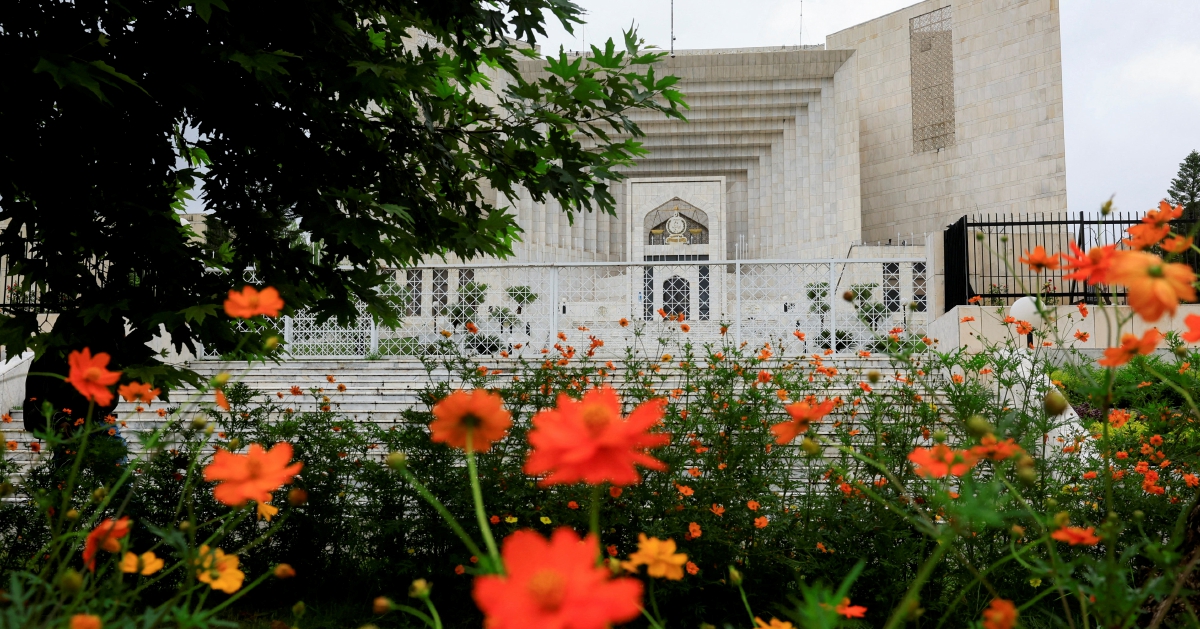
Imran Khan, Pakistan's most prominent opposition figure and former prime minister, has been transferred to hospital for medical testing after the nation's Supreme Court intervened in his case. The Pakistan Tehreek-e-Insaf (PTI) party confirmed the relocation on Friday morning, marking a significant development in the high-profile detention of one of South Asia's most recognisable political figures.
Khan's removal from detention to receive medical evaluation represents rare judicial intervention in the case that has captivated Pakistan's political landscape since his arrest. The Supreme Court's order underscores growing scrutiny of his imprisonment conditions and raises questions about the health concerns that prompted the judicial directive. Such interventions, while not uncommon in cases involving prominent detainees, typically occur only when questions about prisoner welfare reach the highest levels of the judiciary.
The former cricketer-turned-politician has remained a polarising figure in Pakistani politics since his ousting from office. Khan's detention has become emblematic of broader tensions within Pakistan's political establishment, with his supporters viewing his imprisonment as politically motivated while government officials maintain that he faces serious allegations requiring judicial resolution. The high-profile nature of his case has ensured sustained domestic attention and significant international commentary.
Pakistan's political environment has grown increasingly volatile in recent years, with competing power centres—including the military establishment, civilian government, and judiciary—frequently at odds over governance and institutional authority. Khan's continued incarceration sits at the intersection of these tensions, making each procedural development subject to intense analysis by domestic observers and regional analysts alike. The Supreme Court's decision to order his hospitalisation suggests that judicial concerns about his treatment have reached a threshold requiring action.
Khan's political movement, the PTI, has leveraged his detention as a rallying point for supporters, organising protests and international advocacy campaigns asserting his rights. For Malaysian and broader Southeast Asian observers, the situation illustrates how institutional conflicts within larger democracies can create prolonged political crises, particularly when charismatic leaders command significant popular followings. The parallels to political struggles in other Asian democracies underscore the region's shared challenges in balancing security concerns with democratic freedoms.
The medical evaluation ordered by Pakistan's apex court may provide important documentation regarding Khan's physical condition during detention. Such examinations carry implications beyond immediate health considerations, potentially establishing an official record that could influence future legal proceedings or negotiations. Independent medical assessment can either vindicate claims of mistreatment or provide evidence supporting the state's assertions about detention standards.
International human rights organisations have maintained close watch on Khan's case, with various groups issuing statements regarding his treatment and detention conditions. These external perspectives add pressure to Pakistan's government and judiciary to ensure Khan receives treatment meeting international standards. For a nation that has experienced considerable international criticism regarding prisoner welfare and judicial independence, the Supreme Court's order may partly reflect awareness of these scrutiny mechanisms.
Khan's supporters have consistently argued that his detention serves political purposes rather than legitimate law enforcement objectives, contending that charges against him are manufactured or exaggerated. Whether his hospitalisation indicates acknowledgment of health deterioration, routine medical care, or judicial concern about detention conditions remains subject to interpretation. The opacity surrounding his exact medical status has allowed multiple narratives to circulate within Pakistani society.
The PTI's swift public announcement of the hospitalisation suggests the party views this development favourably, possibly indicating either improved conditions or a signal that judicial opinion may be shifting. Political parties in Pakistan frequently use hospitalisation orders or court interventions involving detained rivals as indicators of changing judicial sentiment or shifting political momentum. Each procedural development involving Khan thus carries meanings beyond immediate medical concerns.
Regional observers noting Pakistan's institutional dynamics may draw lessons regarding how democratic systems manage crises when political competition becomes acrimonious and institutional trust erodes. The Supreme Court's intervention, while framed in narrow medical terms, implicitly acknowledges systemic concerns requiring judicial oversight. For Southeast Asian nations monitoring democratic resilience in the broader region, Pakistan's experience demonstrates how political contestation can strain institutional relationships, sometimes requiring higher courts to intervene as balancing mechanisms.
Khan's eventual release or continued detention will likely depend on outcomes in multiple ongoing cases and trials. The medical evaluation ordered by the Supreme Court may provide a moment for recalibration within Pakistan's political establishment, potentially creating space for negotiation or de-escalation. However, the depth of institutional antagonism suggests that a single court order is unlikely to resolve the underlying political crisis his detention represents.

