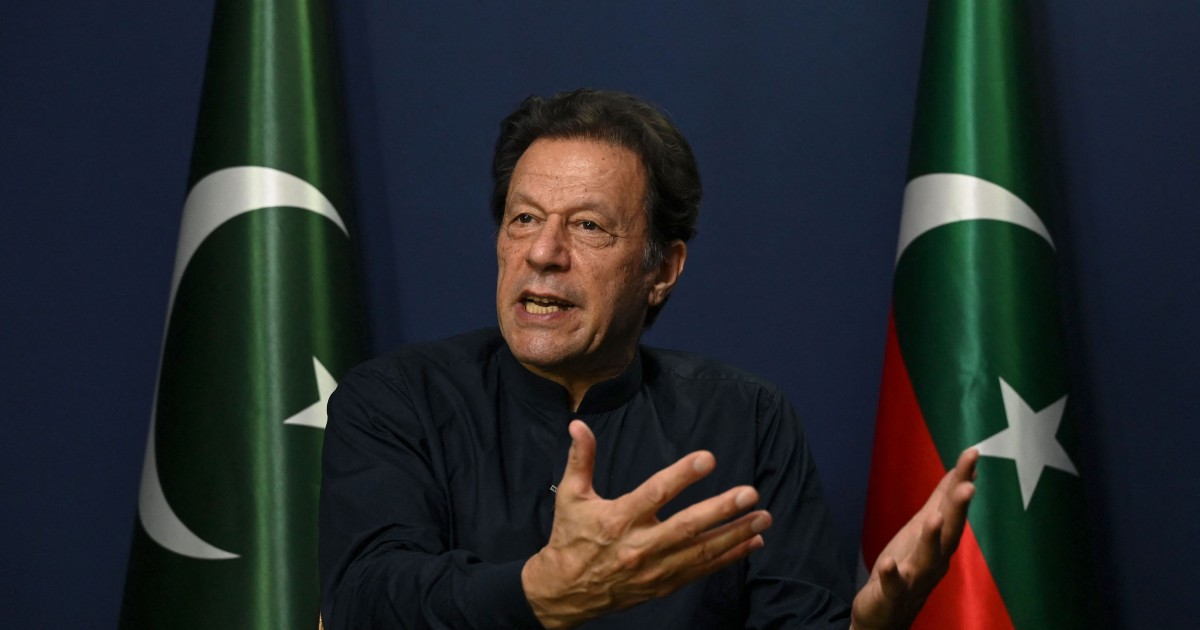
Pakistan's Supreme Court has intervened in a high-profile case that has dominated the country's political landscape for months, ordering that former Prime Minister Imran Khan be relocated from his current detention facility to a hospital. The decision, announced Tuesday, represents a significant development in the legal proceedings surrounding Khan and marks a victory for his Pakistan Tehreek-e-Insaf (PTI) party, which has consistently maintained that the former leader's physical condition requires specialized medical attention available only in a hospital setting.
The transfer order addresses mounting pressure from Khan's legal team, family members, and political supporters who have repeatedly voiced concerns about deteriorating health conditions during his incarceration. The party had made Khan's medical treatment a central element of its advocacy efforts, arguing that continued detention in standard jail facilities posed risks to his wellbeing. By granting this request, Pakistan's highest court has effectively validated some of these health-related arguments, at least to the extent that judicial intervention became necessary.
Imran Khan's detention has remained a contentious issue within Pakistan's political ecosystem since his arrest last year. The former cricket star-turned-politician has faced multiple charges related to alleged violations of national security laws and other criminal allegations that his supporters contend are politically motivated. The timing of his arrest, coming amid broader political turmoil in Pakistan, has intensified debate about whether legal proceedings against Khan reflect genuine criminal concerns or represent weaponization of the judicial system against opposition figures.
The Supreme Court's involvement signals that concerns about Khan's health have reached a threshold warranting intervention by the country's highest judicial authority. Such direct orders from the top court are rarely issued in routine detention cases, suggesting that the justices found the health arguments sufficiently compelling to warrant deviation from standard detention protocols. This development carries broader implications for how Pakistani courts balance security and custody considerations against humanitarian and medical concerns.
For Malaysia and other Southeast Asian nations, Pakistan's handling of high-profile political detentions offers instructive lessons about judicial independence and the rule of law. The region has grappled with similar questions about balancing security imperatives against personal rights, and Pakistan's approach provides a case study in how courts can navigate politically sensitive detention cases. The Supreme Court's decision demonstrates that even in polarized political environments, judicial institutions can exercise autonomy in protecting detainee welfare.
The PTI party has leveraged Khan's detention as a rallying point for its supporters, organizing widespread protests and framing the case as emblematic of broader governance failures. Khan's popularity among younger voters and urban constituencies has ensured sustained public attention on his legal situation. The hospital transfer, while welcomed by his supporters, may not resolve the underlying political tensions that have characterized Pakistan's governance landscape since 2022.
Health conditions in Pakistani prisons have long been documented as problematic by human rights organizations, with inadequate medical facilities, insufficient nutrition, and limited access to specialized care. Khan's case has drawn international scrutiny, with observers noting that conditions in Pakistani detention facilities often fall short of standards recognized by international humanitarian organizations. The Supreme Court's order effectively acknowledges these systemic deficiencies by recognizing that proper medical care cannot be provided within standard jail infrastructure.
The decision also reflects broader global trends in how courts address human rights concerns within security-conscious legal frameworks. Several countries have established protocols allowing transfers to medical facilities for high-profile detainees when health conditions warrant such interventions. Pakistan's Supreme Court appears to be following this precedent, establishing a framework whereby judicial oversight can mandate humanitarian adjustments to detention arrangements without necessarily resolving underlying criminal allegations.
For Khan and the PTI, the hospital transfer represents a tactical gain but not ultimate vindication. His party continues to demand his complete release, arguing that the charges lack merit and reflect political persecution. The party has organized rallies and demonstrations emphasizing Khan's contributions to Pakistani politics and his widespread support among certain voter constituencies. The Supreme Court's medical decision does not address these broader political demands, suggesting that the legal battles surrounding Khan will continue.
The implications of this decision extend beyond Khan's individual case. Other detainees in Pakistani custody may now cite this precedent when petitioning for similar humanitarian accommodations. The Supreme Court's willingness to intervene in detention protocols based on health grounds could establish a template for addressing welfare concerns across the broader criminal justice system. This development potentially strengthens protections for vulnerable detainees, though implementation will depend on consistent judicial application of these principles.
Pakistan's political environment remains highly charged, with questions about stability, constitutional governance, and the relationship between military, judiciary, and civilian institutions remaining unresolved. Khan's detention and this court order are manifestations of deeper structural tensions within Pakistan's polity. How authorities, courts, and political actors respond in the coming months will provide important signals about Pakistan's trajectory toward either institutional strengthening or continued polarization.
Regional observers will monitor whether Khan's hospital transfer leads to further developments in his case, including possible bail arrangements or trial proceedings. The Supreme Court's intervention suggests that judicial independence is not entirely compromised in Pakistan, though critics argue that the court's earlier decisions regarding Khan's arrest may have already undermined due process protections. The hospital transfer order, while welcome for humanitarian reasons, occurs within a broader legal context that remains contested and politically fraught.

