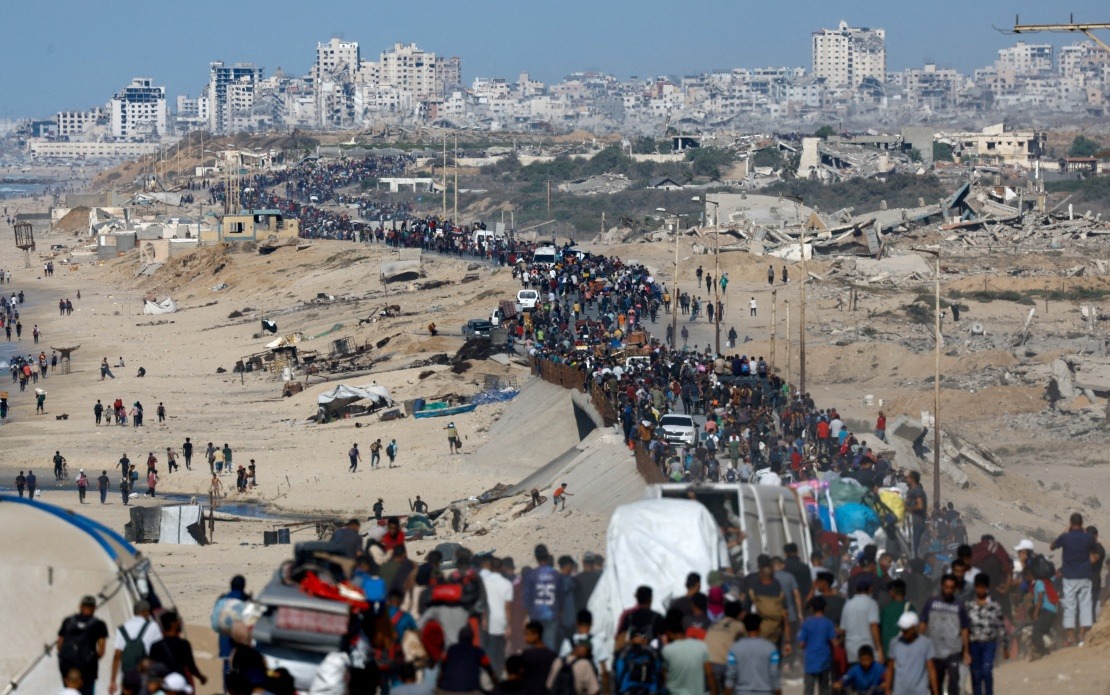
Palestine has mounted a forceful defence of the United Nations Relief and Works Agency for Palestine Refugees in the Near East, rejecting what officials characterise as coordinated attempts to dismantle or severely constrain the organisation's operations. In a Wednesday statement, the Palestinian Foreign Ministry presented UNRWA as a vital humanitarian institution that cannot be substituted by any alternative mechanism, regardless of political considerations or pressure from outside actors.
The agency's reach extends far beyond Gaza's immediate humanitarian crisis. UNRWA operates comprehensive programmes across the occupied Palestinian territories, encompassing Gaza, the West Bank, and East Jerusalem, while simultaneously managing sprawling refugee camps in neighbouring countries including Lebanon, Syria, and Jordan. According to the ministry's characterisation, the organisation provides education to hundreds of thousands of Palestinian children, operates health clinics serving vulnerable populations, distributes social protection assistance to marginalised families, and delivers emergency aid during humanitarian crises. This multi-faceted operational architecture means that dismantling UNRWA would require constructing entirely new institutional frameworks simultaneously across multiple jurisdictions and countries—a logistically complex and politically contentious proposition.
Palestinian officials have grounded their defence in international legal frameworks, emphasising that UNRWA operates under explicit UN mandate and functions in accordance with established international law. The Foreign Ministry stressed that the agency possesses recognised privileges and immunities that protect its operations and personnel, language suggesting concern about potential harassment or physical vulnerability. This legal framing reflects Palestinian anxiety that political opponents of UNRWA might exploit institutional vulnerabilities to obstruct its work.
Central to Palestine's position is the argument that humanitarian assistance, however generous or well-intentioned, cannot substitute for addressing the underlying political dimensions of Palestinian displacement. The ministry invoked United Nations General Assembly Resolution 194, which affirms Palestinian refugee rights including the contested right of return. This represents a fundamental philosophical divide: while some international actors view UNRWA's services as a humanitarian end in themselves, Palestinians consider the organisation's work as emergency measures that should not replace permanent political resolution of refugee status and displacement.
The statement carried particular emphasis regarding Gaza's political status, with Palestinian officials rejecting terminology or framing that would separate Gaza administratively or conceptually from broader Palestinian territory. By insisting that Gaza constitutes "an integral part of the occupied State of Palestine," the ministry sought to counter any suggestions that Gaza might be placed under alternative governance arrangements that would exclude Palestinian national authority or fragment Palestinian territorial coherence. This reflects deep Palestinian concerns that external actors might exploit reconstruction efforts to create de facto separate political entities.
A contrasting vision has emerged from Trump's Board of Peace, an advisory body established in January to explore Gaza settlement pathways. The board publicly declared Wednesday that "UNRWA has no place in the new Gaza," simultaneously promoting alternative approaches centred on ending what it characterised as "perpetual aid dependency." This language, though framed in developmental terms, carries significant ideological weight—suggesting that refugee assistance inherently perpetuates dependency relationships rather than enabling dignity and self-sufficiency.
The Board of Peace initiative reflects broader Trump administration approaches to Middle Eastern conflict resolution. The board held its inaugural Gaza-focused meeting in February at the United States Institute of Peace in Washington, operating within parameters established by a twenty-point plan that Trump administration officials have connected to previous UN Security Council resolutions. This institutional architecture suggests sustained American engagement with Gaza's future, though Palestinian leadership questions whether American intermediation can accommodate Palestinian rights and self-determination principles.
Underlying this dispute is a decade-long controversy regarding UNRWA's role and legitimacy. Some Arab governments and Israel have periodically challenged UNRWA's mandate, funding, or operational independence, while Palestinian and humanitarian organisations argue the agency remains irreplaceable. Multiple UN reviews have examined UNRWA's institutional practices, yet the organisation has retained broad international support and continued funding from numerous countries, including Malaysia's traditional partners in Europe and Asia.
For Southeast Asian observers, this debate carries relevance beyond Palestinian politics. The question of whether international humanitarian agencies can maintain operational independence from geopolitical pressures affects refugee assistance systems globally. Malaysia hosts significant refugee populations including Rohingya communities that depend substantially on UNHCR assistance, making the precedent of weakening UN refugee mandates potentially consequential for Malaysian humanitarian commitments and regional stability.
Palestine's insistence on UNRWA's irreplaceability also reflects calculations about institutional capacity. Creating alternative service delivery systems would require enormous financial investment, trained personnel, and political consensus—resources unlikely to materialise amid ongoing conflict and international disagreement about Gaza's governance. The ministry's framing of UNRWA as "a key pillar of stability" suggests that undermining the agency could paradoxically increase instability by removing established mechanisms for managing humanitarian needs.
The immediate political contest between Palestinian leadership and American actors positioning themselves as Gaza's future administrators illustrates deeper tensions regarding international involvement in Middle Eastern affairs. Palestine's appeal to "all states, institutions and international organisations" to respect UNRWA's mandate seeks to build coalitions defending the agency, potentially mobilising support from countries sympathetic to Palestinian positions or concerned about precedents for dismantling UN agencies.
Moving forward, UNRWA's institutional survival likely depends on maintaining political support from key funding nations, sustaining operational capacity despite security challenges, and demonstrating continued relevance to humanitarian needs. Palestinian efforts to frame UNRWA protection as essential to any legitimate Gaza settlement reflect recognition that institutions shape political possibilities—controlling which organisations operate in Gaza influences what governance arrangements become feasible.

