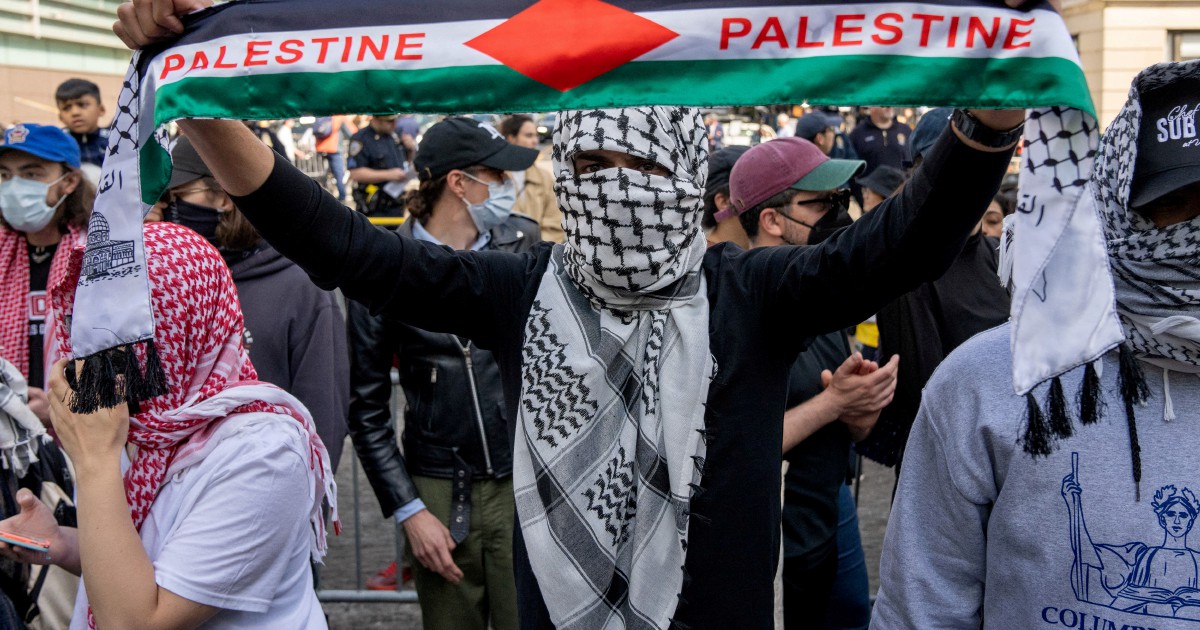
A coalition of current and former Palestinian students and university staff members has initiated legal proceedings against Columbia University, contending that the institution has subjected them to systematic discrimination since the latter half of 2023. The lawsuit, filed in New York courts, represents a formal escalation of grievances that have simmered at one of the United States' most prestigious universities amid contentious debates over campus activism, free speech, and institutional accountability.
The filing underscores deepening rifts between university administrations and students advocating for Palestinian causes, a tension that has reverberated across American college campuses throughout the past academic year. Columbia, situated in the heart of New York City and home to approximately 33,000 students across its various schools, has become a focal point for these broader debates about how institutions balance competing values of academic freedom, student welfare, and institutional neutrality on geopolitical issues.
The allegations detailed in the court documents suggest that Palestinian students and staff have faced differential treatment in multiple dimensions of university life. Such claims typically encompass issues ranging from disciplinary actions perceived as disproportionate, barriers to organizing student activities, unequal enforcement of campus policies, and atmospheres characterised by hostile behaviour from other community members or institutional indifference to legitimate concerns about their safety and sense of belonging.
Campus activism surrounding the Israeli-Palestinian conflict has intensified dramatically since October 2023, transforming college environments into contested spaces where administrative decisions face heightened scrutiny. Universities have struggled to navigate these circumstances, frequently caught between demands from student activists for institutional divestment and policy changes, pressure from donors and external stakeholders, and their own institutional policies regarding permitted speech and assembly. Columbia's leadership has been particularly visible in these debates, with its administration repeatedly attempting to manage competing demands from multiple constituencies.
For Malaysian and Southeast Asian observers, this litigation carries significance beyond American university politics. The case illustrates how international conflicts increasingly permeate institutional spaces far from their geographic origin, affecting diversity and inclusion dynamics at major research universities that draw students from across the world. Many Malaysian students pursue higher education at American institutions, and developments affecting specific student communities raise questions about educational equity and institutional safeguarding regardless of geographic context.
The lawsuit also reflects broader patterns of legal mobilisation around campus discrimination and student rights. By pursuing formal litigation, Palestinian students and staff are employing established legal frameworks designed to protect marginalised groups—mechanisms that universities across the world, including Malaysian institutions, must contemplate as they evaluate their own policies and practices. The case will likely set precedents influencing how other universities respond to similar allegations from minority student communities.
Columbia University's response and the court's eventual determination will carry implications for institutional culture at major universities globally. The proceedings will necessarily examine what constitutes actionable discrimination, what institutional responsibilities exist to protect students engaged in political expression, and how universities should adjudicate competing claims about free speech and safe community spaces. These fundamental questions transcend national boundaries and touch concerns relevant to higher education administrators everywhere.
The timing of this legal action is significant. As the controversy surrounding campus activism has evolved from acute crisis to ongoing institutional challenge, litigation represents a shift toward formalised remedies and external validation. Rather than relying primarily on administrative grievance mechanisms or public pressure, the plaintiffs are invoking legal protections and seeking judicial review of institutional conduct. This strategy reflects growing frustration with internal processes and demonstrates how student communities increasingly view courts as venues for asserting their rights when they perceive institutional failures.
For students of university governance, the lawsuit exemplifies tensions embedded within American higher education institutions attempting to serve diverse student populations while managing complex stakeholder relationships. Columbia's position as a leading research institution with substantial endowment resources and prominent alumni networks creates unique pressures, as decisions affecting one student community inevitably attract attention from multiple directions. The university's handling of this situation will be scrutinised not only by the plaintiffs and their supporters but by peer institutions considering their own policies.
The case also highlights questions about documentation and institutional transparency. Successful discrimination claims typically require evidence that policies were applied unequally or that decisions were motivated by protected characteristics or group membership. The court proceedings will necessarily examine institutional records, decision-making processes, and communications—potentially revealing previously opaque dimensions of university administration and forcing greater accountability in how such decisions are made and justified.
Beyond the immediate parties involved, this litigation speaks to the evolving landscape of student activism and institutional responsiveness in contemporary higher education. Universities are increasingly navigating demands that they take explicit positions on international conflicts while simultaneously protecting students from discrimination. The Columbia case will contribute to jurisprudence and institutional practice regarding these competing pressures, with reverberations extending to universities across North America and potentially influencing global conversations about institutional responsibilities to diverse student communities.
As the legal proceedings develop, the case will likely catalyse broader conversations at Columbia and elsewhere about how universities can simultaneously protect academic freedom and student expression while ensuring that all community members experience equitable treatment. The outcome may reshape how institutions approach student grievances related to their political or identity-based affiliations, establishing new standards for institutional accountability that extend far beyond this particular conflict.

