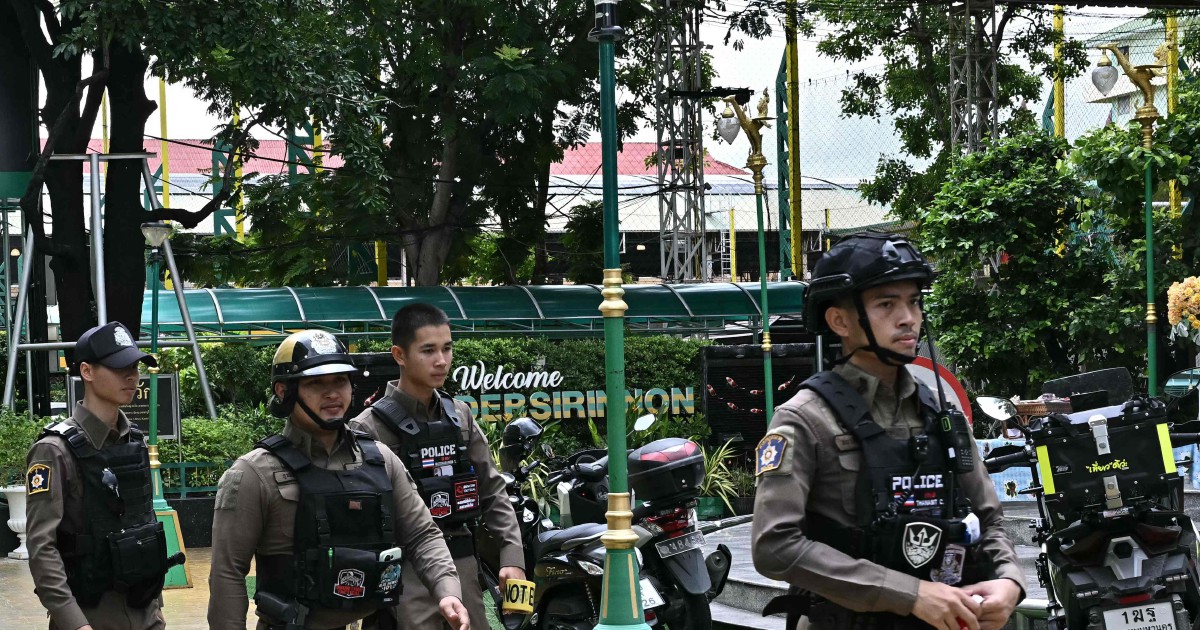
At least eleven French citizens are currently held in Thai custody after being apprehended since the beginning of the summer months with substantial quantities of cannabis concealed in their personal belongings, according to information disclosed by law enforcement officials to AFP on Tuesday. The arrests mark another chapter in the ongoing struggle between Southeast Asian narcotics authorities and international drug trafficking networks that frequently exploit popular tourist destinations across the region.
Thailand's reputation as a major tourist hub makes it an attractive transit point for criminal syndicates attempting to move controlled substances across borders. The Thai government has intensified drug enforcement in recent years, particularly targeting foreign nationals who attempt to smuggle narcotics through its airports and border checkpoints. This latest operation appears to have ensnared multiple individuals, suggesting a coordinated effort rather than isolated incidents of personal consumption.
The detention of French nationals specifically warrants closer examination, as France sits among the world's largest consumer markets for illicit drugs. Sophisticated smuggling networks often recruit unwitting or complicit couriers from wealthy nations with high demand, offering them incentives such as subsidised travel or direct payment. The pattern of arrests during the summer holiday season indicates the syndicate may have been deliberately timing operations to coincide with peak tourist traffic when border controls can become overwhelmed.
Thailand's legal framework imposes severe penalties for drug offences, with trafficking charges potentially carrying sentences of decades or life imprisonment depending on quantity and circumstances. The individuals detained face consequences substantially more severe than they would encounter in their home country, where cannabis has become increasingly decriminalised in certain jurisdictions. This disparity in sentencing regimes frequently comes as a shock to European travellers who underestimate the gravity of drug laws in Southeast Asia.
The French government will likely mobilise diplomatic channels to monitor the legal proceedings and ensure detainees receive appropriate consular support. However, officials in Paris have limited leverage in intervening with Thai judicial processes. France's embassy in Bangkok will be expected to facilitate communication and provide guidance on available legal remedies, though ultimate outcomes depend on Thai courts and the specific evidence presented by prosecutors.
For Malaysian readers, this incident carries particular relevance given the region's interconnected smuggling networks and shared challenges with transnational organised crime. Malaysia's own stringent drug laws and robust enforcement mechanisms reflect a regional consensus that serious penalties serve as deterrents. The arrest pattern suggests that criminal networks view holiday season as an opportunity to exploit inexperienced or desperate couriers, banking on the assumption that casual visitors will slip through security checkpoints.
The scale of the cannabis haul remains undisclosed, but references to multiple kilograms indicate quantities well beyond personal use thresholds. Such volumes suggest either a distribution operation within Thailand itself or an attempt to move the contraband to secondary markets in other Southeast Asian nations or beyond. The sophistication implied by coordinating eleven arrests simultaneously points toward a more organised structure than simple tourist trafficking.
Security experts note that while high-profile arrests generate headlines, they represent only the interceptions that succeed. Countless shipments likely evade detection, particularly through smaller airports, land borders, and maritime routes where monitoring capacity remains limited. Thailand's effort to crack down on these operations reflects both domestic pressure to control drug availability and international cooperation frameworks that incentivise enforcement against foreign trafficking.
The summer tourism season typically witnesses surges in both legitimate travel and trafficking activity, as increased passenger volumes can mask suspicious movements. Criminal organisations deliberately capitalise on this period, knowing that airport staff and customs officers face overwhelming caseloads. The French nationals' arrests demonstrate that heightened awareness and intelligence sharing among enforcement agencies can still yield significant disruptions, even if systemic vulnerabilities persist.
For potential travellers from Malaysia and other nations, this case serves as a sobering reminder that involvement with illicit substances abroad carries catastrophic personal consequences. Many Westerners operate under the mistaken assumption that their nationality or perceived respectability provides insulation from prosecution. Southeast Asian governments have consistently demonstrated an unwillingness to grant special treatment based on national origin, particularly in drug cases where public health concerns transcend diplomatic considerations.
The French detainees now face months or years of legal proceedings in a foreign jurisdiction with different procedural norms and linguistic barriers. Their families have been thrust into traumatic situations requiring engagement with the Thai legal system, possibly through expensive international legal representation. The human cost of such operations extends far beyond the individuals directly arrested, affecting spouses, children, and extended relatives in France and elsewhere.
As Thailand continues developing its tourism sector and seeking to position itself as a premier holiday destination, authorities must balance commercial interests against public safety imperatives. Large-scale drug trafficking undermines the safety and reputation that legitimate tourism depends upon. These arrests, while representing enforcement success, also highlight the persistent appeal of Thailand's airports and borders to smuggling networks, suggesting that vulnerability assessment and resource allocation remain ongoing challenges for Thai narcotics authorities.

