The world's most prestigious fashion showcase faced an unexpected adversary this season as Paris Couture Week unfolded beneath relentless summer heat. Celebrities and fashion's elite arrived at the French capital's most exclusive shows confronting a dilemma that transcended typical style considerations: how to maintain impeccable appearance while battling soaring temperatures that tested even the most dedicated fashion devotees. The result offered a revealing glimpse into how haute couture adapts when practicality demands a seat at the table alongside aesthetics.
The heatwave that blanketed Paris during menswear fashion week intensified rather than subsided as couture season commenced, forcing attendees to rethink conventional red-carpet dressing codes. This was not merely about looking fashionable—it demanded a genuine reconciliation between the demands of high fashion and basic human comfort. The challenge became particularly acute given that couture events represent the industry's most formal occasions, where expectations for sartorial excellence typically override all other considerations.
Women navigating the heat gravitated toward silhouettes that prioritised breathability without abandoning elegance. Exposed shoulders emerged as a practical styling choice rather than a deliberate fashion statement, allowing for air circulation while maintaining sophisticated appeal. Actress Tan Sri Michelle Yeoh exemplified this approach, arriving in a subtle black design that achieved the delicate balance between refinement and climate-appropriate dressing. The choice demonstrated that minimalism and restraint could serve as effective tools for managing discomfort without compromising on visual impact.
The sundress and its more elevated variations became unexpectedly prominent across the front rows, offering an understated solution that conveyed both grace and practicality. These pieces provided natural ventilation while retaining the structured elegance expected at haute couture events. Shorter hemlines similarly gained favour, affording guests greater freedom of movement and air circulation—a concession to the weather that nonetheless aligned with broader fashion trends favouring a more relaxed sensibility than previous seasons.
Fabric selection proved crucial in navigating the heat, with attendees demonstrating sophisticated understanding of textile performance. Silk and its alternatives dominated choices among guests seeking to maintain luxury and visual appeal whilst remaining cool. These materials offered superior breathability compared to heavier textiles whilst preserving the luminous quality expected at couture events. Lightweight constructions became markers of both fashion-forward thinking and practical wisdom.
Actress Priyanka Chopra embraced the prevailing mood with a scalloped gown that captured the essence of sun-drenched elegance, proving that sophisticated dressing could evoke seasonal warmth without sacrificing refinement. Her choice reflected a broader trend among female attendees who opted for garments that suggested rather than imposed formality, allowing the wearer's confidence to carry the look rather than relying solely on construction and embellishment.
MensWear approaches to the heat revealed equally thoughtful adaptation, though channelled through a different sartorial vocabulary. Bad Bunny and Hudson Williams exemplified a deliberate shift toward oversized proportions and relaxed tailoring that suggested ease rather than precision. The strategic omission of shirts beneath structured jackets, combined with selections in lighter palettes, transformed conventional menswear into climate-conscious dressing without sacrificing visual authority. This represented a significant departure from traditional couture menswear expectations, suggesting that the industry's most prestigious event was willing to embrace comfort-driven innovation.
Songwriter Ejae offered an alternative interpretation of practical elegance through an unexpected accessory choice: a simple black folding fan that complemented rather than distracted from her overall presentation. This approach recalled historical fashion solutions to heat whilst maintaining contemporary sensibility, demonstrating that practicality need not announce itself loudly to be effective. The folding fan emerged as an overlooked accessory category capable of bridging function and style during challenging conditions.
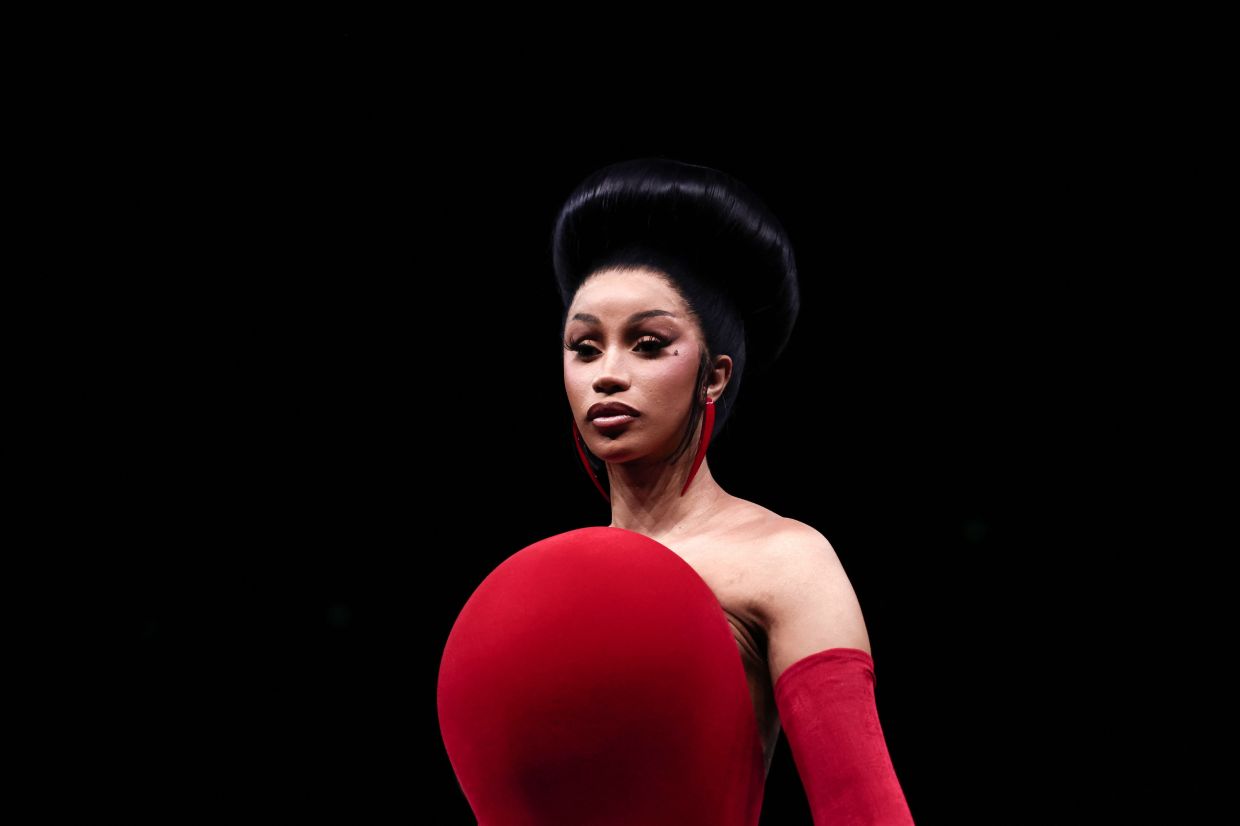
Amidst the broader trend toward climate-appropriate dressing, rapper Cardi B maintained her commitment to fashion spectacle, delivering one of the season's few uncompromising avant-garde statements through a sculptural, exceptionally fitted look. Her choice to prioritise dramatic visual impact over comfort created a striking counterpoint to the week's prevailing mood, suggesting that commitment to high-fashion extremity remained a viable—if marginal—position even under adverse conditions. Her approach reminded observers that haute couture ultimately celebrates excess and experimentation, even when environmental factors encourage restraint.
The intersection of unprecedented heat and couture's demands revealed broader truths about contemporary fashion's evolution. The week demonstrated that luxury and practicality need not exist in opposition, and that attendees at the world's most exclusive events increasingly valued genuine comfort alongside aesthetic achievement. This shift likely reflects changing generational attitudes toward fashion, where sustainability and wearability have gained cultural cachet alongside traditional markers of luxury and exclusivity.
For Southeast Asian fashion enthusiasts and industry observers, Paris Couture Week's adaptation to extreme heat carries particular resonance. The region's tropical climate makes heat-responsive luxury dressing perpetually relevant, and the solutions employed by international fashion figures offer valuable frameworks for local designers and attendees navigating similarly demanding conditions. The week suggested that the global fashion establishment increasingly recognises that elegance and practicality represent complementary rather than conflicting values—a recognition that extends fashion's possibilities rather than constraining them.

