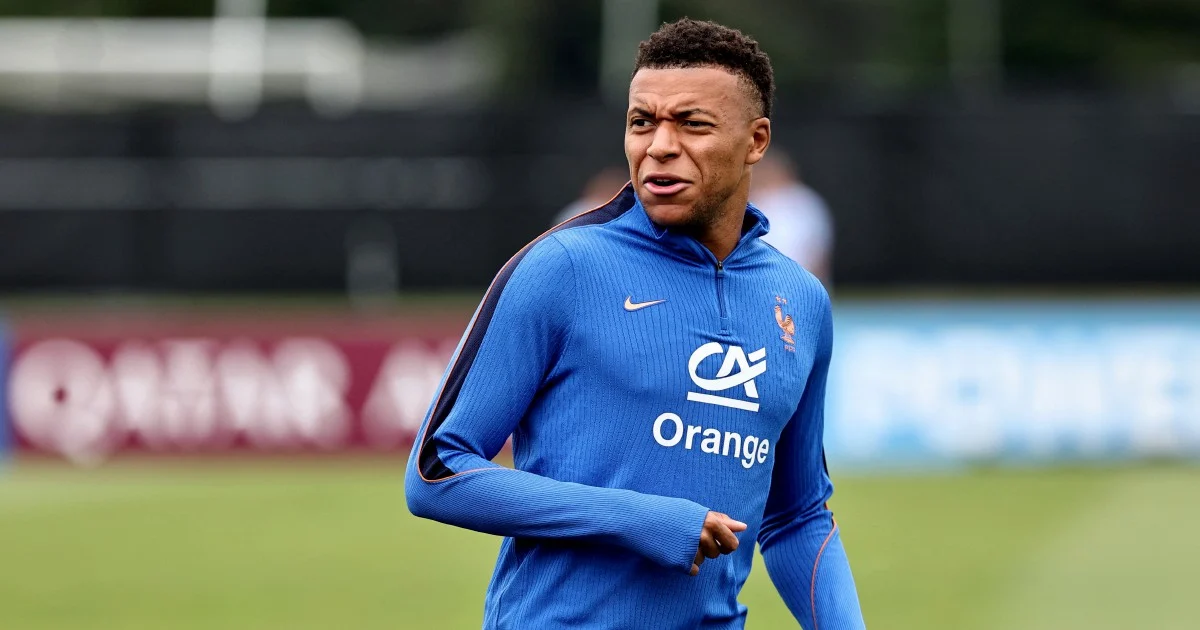
French authorities have formally initiated a criminal investigation into remarks directed at Kylian Mbappé by a Paraguayan lawmaker, according to an announcement from Paris' public prosecutor's office on Tuesday. This rare intervention by legal officials into statements about a professional athlete underscores the sensitivity surrounding the Paris Saint-Germain and France captain, whose status extends well beyond the football pitch into matters of national interest and public discourse.
The decision to launch a formal probe reflects growing concerns among French authorities about the nature and potential impact of the Paraguayan politician's comments. While prosecutors did not immediately specify the exact remarks in question, such investigations typically emerge when statements could constitute defamation, hate speech, or other violations of French law. The fact that an elected official from another nation became the subject of formal scrutiny suggests the comments crossed significant legal and diplomatic thresholds.
Mbappé's prominence transcends professional football in France. As captain of the national team and one of the world's most recognisable athletes, his position makes him a focal point for public attention and commentary. Any statements questioning his character, conduct, or integrity therefore carry heightened sensitivity within the French legal and political sphere, where protection of public figures remains a serious matter. This investigation demonstrates how the intersection of international politics, sports celebrity, and legal jurisdiction can create complex diplomatic situations.
The involvement of a Paraguayan legislator adds an international dimension to what might otherwise be a domestic matter of public discourse about a celebrity. Paraguay, situated in South America's interior, maintains limited direct sporting competition with France, making the interest in Mbappé appear unusual from a regional standpoint. However, as a major global football figure, Mbappé commands attention across continents, and any political figure's public statements about him can generate international controversy and legal consequences.
For Malaysian readers and Southeast Asian observers, this case illustrates how globalised football culture creates unexpected intersections between sport, law, and diplomacy. The region's own investment in international football talent development means understanding how major football figures are protected and celebrated in wealthy nations provides insight into global sporting hierarchies and the commercial weight of elite athletes.
French prosecutors' decision to investigate rather than dismiss the matter suggests the comments likely violated specific legal provisions regarding defamation or public statements. France maintains relatively strict libel laws compared to some other democracies, and statements about public figures—particularly national symbols like the football captain—receive particular legal protection. The prosecutor's office would need to determine whether the remarks met thresholds for formal charges or constituted expressions protected by freedom of speech.
The investigation opens broader questions about the responsibilities of elected officials when commenting on international celebrities and public figures. Whether made in parliament, media appearances, or social media, statements by politicians carry amplified weight and reach compared to remarks by ordinary citizens. Prosecutors in Paris likely considered whether the Paraguayan lawmaker exploited their official position to spread potentially defamatory information.
Mbappé's commercial value and global brand make him significant beyond football itself. He represents French sporting excellence and national achievement on the world stage. Attacks on his reputation could theoretically affect not only his personal standing but also French soft power and national prestige. This explains why authorities view the matter as sufficiently serious to merit formal investigation and prosecution resources.
The investigation's outcome remains uncertain, though it represents an escalation in how seriously Paris treats attacks on Mbappé's character. Prosecutors must gather evidence regarding the specific statements, assess their accuracy, and determine whether they constitute unlawful defamation under French law. The Paraguayan politician may face legal liability, diplomatic complications, or both, depending on findings and subsequent prosecutorial decisions.
From a Southeast Asian perspective, this case demonstrates how connected the global football ecosystem has become. Events involving French football politics reverberate internationally and trigger legal responses that transcend borders. As Malaysia and other regional nations increasingly invest in football development and international competitions, understanding how major football figures are legally protected and what constitutes crossing lines of acceptable commentary becomes relevant to sports management and diplomatic relations.
The investigation also highlights tensions between freedom of political speech and protection of reputation. Parliamentarians in any democracy should theoretically enjoy certain immunities and freedoms when making official statements, yet international law and differing national legal systems complicate matters when politicians from one country make statements about citizens of another. French authorities must balance these competing principles while determining whether charges are warranted.
This situation underscores Mbappé's outsized cultural importance in contemporary France. Few athletes merit prosecutor attention for comments made about them, yet his position as national football captain and global sporting icon elevates his status to something approaching a national treasure. The investigation reflects how thoroughly football has woven itself into national identity and political consciousness across Europe and beyond.

