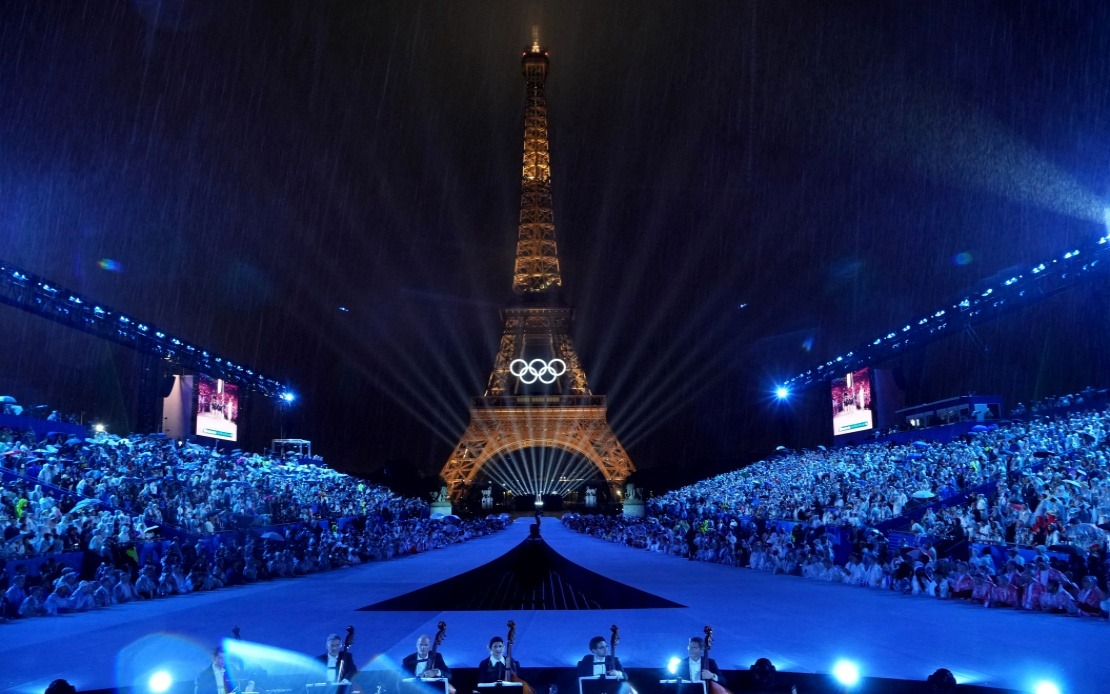
France's most iconic monument, the Eiffel Tower, suspended operations early on Tuesday as the country braces for a severe heatwave, with temperature forecasts climbing to potentially dangerous levels. The Paris landmark, managed by Sete (Societe d'Exploitation de la tour Eiffel), shut its doors at 4.00 pm local time instead of remaining open into the evening, forcing the organisation to turn away would-be visitors and implement a precautionary safety measure that underscores the severity of the meteorological conditions sweeping across the nation.
The unprecedented closure affected thousands of tourists and Parisians who had purchased tickets for afternoon visits. Anyone holding entry passes for stairs access from 11.30 am onwards or lift slots from noon onwards received automatic refunds, reflecting the unusual nature of the decision. Last entry to the tower occurred at 12.15 pm, effectively cutting the day's operational window by several critical hours during what would typically be peak visiting season.
Sete's official statement prioritised the wellbeing of both employees and guests, acknowledging that the extreme heat necessitated departure from standard protocols. For a landmark accustomed to welcoming nearly seven million visitors annually, such operational adjustments represent a rare response to environmental conditions deemed incompatible with safe public access. The tower's climate systems and the physical demands placed on visitors during intense heat created management concerns that compelled swift administrative action.
Paris's Louvre Museum, the world's most visited art institution, followed suit with its own modified schedule announced on the same day. From June 24 through June 27, the museum would close at 4.00 pm rather than its customary 6.00 pm departure time, effectively reducing daily opening hours by two hours during the crisis period. This decision affected not only casual tourists but also serious art enthusiasts and students who rely on extended evening access to view the institution's unparalleled collections.
Meteo-France, the country's national meteorological agency, painted an alarming picture of the developing weather pattern. Temperatures in the French capital reached 36 degrees Celsius by mid-afternoon on Tuesday, with projections indicating further escalation to 38 degrees Celsius on Wednesday. Such heat levels carry genuine health risks, particularly for vulnerable populations including the elderly, young children, and those with existing medical conditions, making public health warnings from authorities entirely justified.
The geographic scale of the alert system reveals how extensively the heatwave was impacting French territory. Fifty-four departments across mainland France—representing the highest category in the national alert framework—were placed under red alert status, signalling imminent danger. An additional 35 departments received orange alert designations, the second-highest tier, meaning that nearly 40 percent of France's administrative divisions faced officially recognised heat emergencies simultaneously. This widespread distribution demonstrated that the phenomenon extended far beyond Paris into provincial and rural regions.
The timing proved particularly challenging given that late June typically marks the height of summer tourist season. European and international visitors converge on Paris with expectations of accessing major monuments during business hours. The sudden operational restrictions created logistical complications for travel operators, hotel concierges, and tour companies who had orchestrated itineraries around standard venue availability. Many tourists discovered their carefully planned visits disrupted by circumstances beyond anyone's control.
For Malaysia and Southeast Asia, such incidents highlight the increasing unpredictability of weather patterns affecting global tourism and commercial operations. While tropical nations have long adapted to managing heat and humidity, the European context demonstrates how infrastructure and public health systems designed around historical climate norms face mounting pressure from changing environmental conditions. Malaysian readers might recognise parallels with infrastructure challenges during periods of extreme weather, though the intensity required to force closure of a monument the calibre of the Eiffel Tower underscores the exceptional nature of this event.
The crisis also reflected broader climate resilience questions facing developed economies. France, despite sophisticated building codes and modern facilities, found its tourism infrastructure tested by what meteorologists characterised as extreme but increasingly frequent atmospheric phenomena. The decision to prioritise safety over revenue and schedule adherence, while sensible, illustrated how even wealthy nations must now regularly adjust operational expectations in response to heat events.
Beyond immediate visitor implications, the closures carried economic consequences for employees, local businesses depending on tourist spending, and the attractions' revenue streams. Museums and monuments operate on carefully balanced financial models where consistent daily income funds maintenance, staffing, and programming. Unplanned closure periods, however necessary, disrupt these calculations and may necessitate difficult budgetary adjustments.
The situation also raised questions about seasonal planning and climate adaptation for Europe's tourism sector moving forward. Whether these early closures represent isolated incidents or harbingers of new operational realities during summer months remains uncertain, but the precautionary approach adopted by Paris's major attractions suggests that European venues increasingly acknowledge that historical operating patterns may no longer remain viable during peak travel season.

