Parliament's approval of the Social Work Profession Bill 2026 marks a watershed moment for Malaysia's social sector, establishing a dedicated regulatory framework that had been sought for over ten years. The legislation received overwhelming support from 23 Members of Parliament across the political spectrum on 14 July, culminating in a framework designed to elevate social work from an informal service provision role to a formally recognised profession with standardised practices and accountability mechanisms.
The most significant institutional development introduced by the Bill is the establishment of the Malaysian Social Work Profession Council, which will serve as the apex regulatory body overseeing professional standards, ethical conduct, and qualification frameworks across the sector. This represents a structural leap forward for a profession that has historically operated without a unified oversight mechanism, allowing inconsistencies in service quality and practitioner credentials to persist. The Council will be tasked with developing comprehensive regulations and guidelines governing professional conduct, establishing competency benchmarks, and creating frameworks for handling complaints and disciplinary matters within the sector.
The Bill's staged implementation approach reflects practical considerations regarding the profession's current composition and government capacity. Initially, the legislation requires registration of all private sector social workers, including those employed by non-governmental organisations, community-based organisations, corporate entities, and independent practitioners. Public sector social workers face a lighter regulatory burden at this introductory phase, requiring registration only when they engage in social work activities outside their government employment. This differentiation acknowledges the existing oversight mechanisms already in place within government agencies, where social workers operate under departmental supervision, standardised operating procedures, and established codes of ethics.
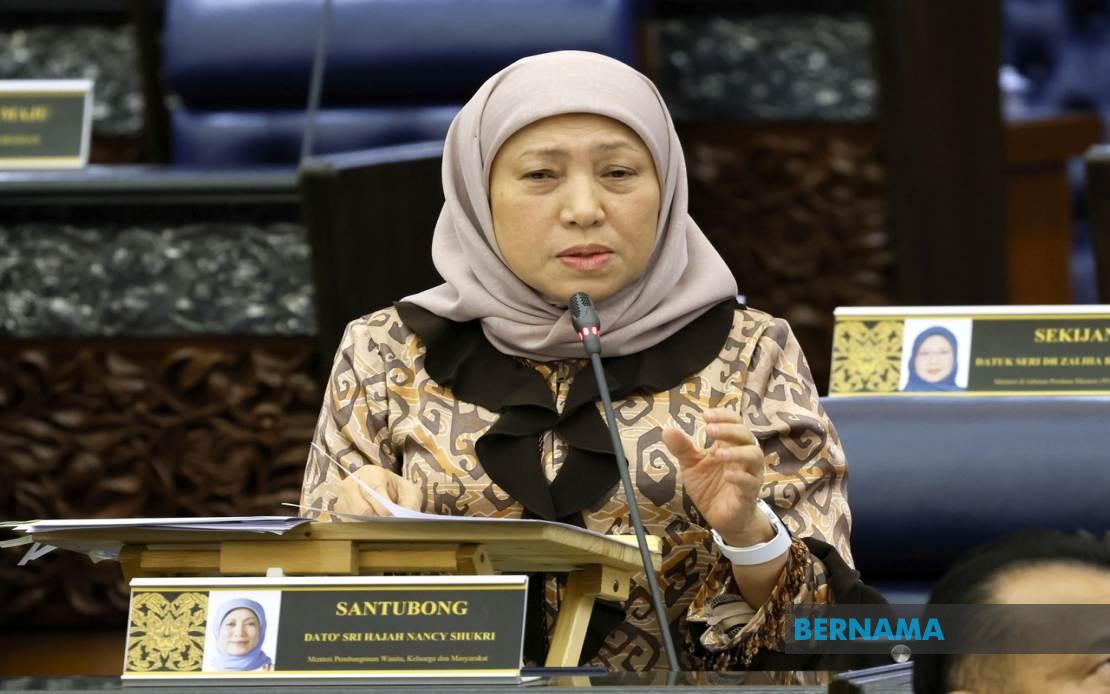
Minister Nancy Shukri's comments regarding public sector integration reveal the complexities involved in professionalising government employment. She indicated that mandatory registration for government social workers requires extensive inter-agency coordination and legislative considerations beyond the scope of the current Bill. Rather than presenting this delay as a permanent exemption, the government framed it as a measured transition toward comprehensive regulation that would eventually encompass all practitioners, whether employed in government, private, or non-profit settings. This long-term vision suggests that the current framework functions as a foundation rather than a final destination.
The Bill's scope deliberately excludes volunteers and informal caregivers, focusing regulatory authority solely on professional practitioners who meet specified training and qualification criteria. This distinction proves important for Malaysian society, where substantial community care networks operate through voluntary contributions and family support systems. By limiting regulation to professionals, the legislation avoids imposing bureaucratic barriers on community-based caregiving while establishing professional standards for those earning livelihoods from social work. Such precision in legislative scope demonstrates recognition of Malaysia's diverse social care landscape.
Parliamentary debate highlighted persistent tensions regarding professional equity and service quality standards. Howard Lee's intervention questioning why government social workers handling high-risk child protection cases and vulnerable population services should be exempt from the same professional certification requirements as private counterparts raises valid concerns about consistency in service standards. His argument that citizens deserve equivalent professional quality regardless of whether services come from government, NGOs, or private providers strikes at fundamental questions about public accountability and professional integrity that extend beyond the current Bill's boundaries.
Dr. Halimah Ali's proposals to enhance implementation through targeted incentive mechanisms—including special grants for NGOs, educational scholarships for practitioners, and rural placement incentives—highlight the investment mindset required for meaningful professionalisation. Such financial and career development support becomes essential for attracting qualified individuals to social work roles, particularly in underserved rural regions across peninsular Malaysia, Sabah, and Sarawak. Without accompanying investment in human resource development, professional recognition alone risks remaining a symbolic rather than transformative achievement.
The operational framework established by the Council promises substantial influence over the profession's development trajectory. Beyond basic regulatory functions, the Council will develop professional guidelines, establish disciplinary processes, and evaluate proposals including a national social worker reciprocity framework that could facilitate professional mobility across Malaysia. The reciprocity mechanism holds particular significance for a federation where professional standards and registration requirements might otherwise vary between states, potentially creating fragmentation within what should be a unified profession.
Funding arrangements ensuring government allocations for Council operations signal a genuine institutional commitment extending beyond legislative symbolism. By guaranteeing annual budgetary support rather than relying on practitioner fees alone, the government acknowledges its stake in professionalising social services and assumes responsibility for maintaining regulatory infrastructure. This contrasts with purely fee-based regulatory models that might struggle to serve less profitable or more remote service areas.
The decade-long path to legislative approval underscores the social sector's historical marginalisation in Malaysia's policy prioritisation. While other professions have enjoyed regulated status for generations, social workers operated in an institutional vacuum where professional standards remained suggestions rather than requirements. This Bill essentially corrects a historical oversight, though questions remain about whether the phased approach adequately addresses immediate inconsistencies in public sector practice.
For practitioners across Malaysia's diverse social care landscape—from urban NGOs providing family counselling to government officers managing child welfare cases in rural districts—the Bill creates both opportunities and obligations. Those currently operating without formal qualifications face registration deadlines and potentially mandatory training investments. Simultaneously, the profession gains formal recognition, potential career advancement pathways, and institutional protection through the Council's oversight mechanisms. This transition period will test the regulatory framework's flexibility in accommodating practitioners across Malaysia's socioeconomic and geographic spectrum.
The legislation's approval positions Malaysia alongside regional peers in formally recognising social work as a distinct profession requiring dedicated regulation. As the social sector becomes increasingly professionalised throughout Southeast Asia, Malaysia's framework will influence regional practice standards and potentially facilitate cross-border professional collaboration. The Council's future decisions regarding competency standards, ethical guidelines, and professional development requirements will shape not merely how Malaysian social workers operate, but potentially how the profession itself develops within Southeast Asian contexts.

