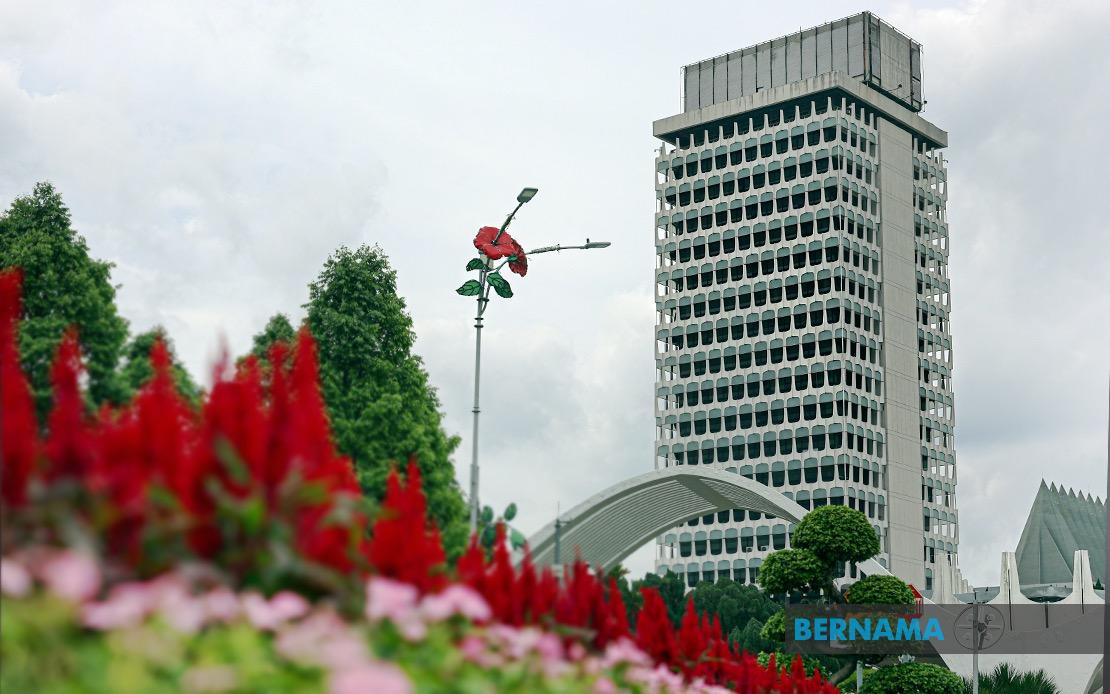
Pressing concerns over deteriorating internet reliability and the escalating burden of fuel subsidies tied to regional instability are commanding attention in Parliament today, with multiple members preparing to press ministers on both fronts during question-and-answer proceedings in the Dewan Rakyat.
The parliamentary agenda reveals a multipronged legislative focus addressing citizen complaints that have mounted across Malaysia. Among the queries scheduled is one from Datuk Anyi Ngau of GPS-Baram, who will press the Communications Minister on the Malaysian Communications and Multimedia Commission's (MCMC) strategy to resolve a vexing problem: mobile users experiencing complete loss of internet service even when their devices display maximum signal bars. This paradoxical phenomenon has frustrated consumers nationwide and reflects deeper infrastructure or network management failures that regulators have struggled to remedy.
The fuel subsidy question carries particular economic significance for Malaysia's fiscal planning. Mohd Syahir Che Sulaiman, representing PN-Bachok, will ask the Finance Minister for the government's most current evaluation of how the West Asia conflict drives up subsidy expenditure and whether these mounting costs threaten the administration's deficit reduction targets for the year. The geopolitical instability in the Middle East has turbocharged global oil price volatility, forcing Malaysia—which maintains price controls on petrol and diesel to shield lower-income households—to absorb ever-larger fiscal costs to sustain those protections.
The interconnection between regional conflict and domestic budget pressure illustrates how Malaysia cannot insulate itself from international energy market shocks. As tensions persist in West Asia, crude prices remain elevated, and government-guaranteed fuel prices create a significant wedge between what consumers pay and actual market rates. This hidden subsidy, while politically popular, represents a substantial drain on the Treasury that competes with spending on healthcare, education, and infrastructure. Lawmakers are rightfully demanding transparency about how policymakers assess this tension.
A separate parliamentary question from Jamaludin Yahya of PN-Pasir Salak shifts focus to financial inclusion, seeking Finance Ministry guidance on helping self-employed workers, small-scale traders, street vendors, and gig economy participants access home financing without traditional salary documentation. This reflects persistent structural barriers within Malaysia's credit system that exclude informal workers from mainstream mortgage products, even as the informal sector remains a substantial portion of the economy. The query underscores the need for creative lending frameworks adapted to non-traditional income patterns.
Meanwhile, Yeo Bee Yin of PH-Puchong will interrogate the Women, Family and Community Development Minister on governmental readiness to establish comprehensive regulatory oversight and enact legislation governing confinement centres—facilities where postpartum mothers traditionally recover. The absence of standardised regulation and statutory oversight in this sector has generated safety and quality concerns, with consumers sometimes lacking recourse when centres fail to meet acceptable standards. Establishing a national framework would represent a significant step toward protecting vulnerable women during a critical health period.
Following the question-and-answer session, Parliament will advance toward substantive legislative business with the second reading of two interconnected bills: the Communications and Multimedia (Amendment) Bill 2026 and the Malaysian Communications and Multimedia Commission (Amendment) Bill 2026. Both measures received their first reading in the chamber on July 13, and their progression to the second reading stage signals that the government intends to move swiftly through the legislative calendar.
These amendments warrant close examination, as they may address regulatory gaps exposed by the internet reliability failures highlighted in today's questioning. Potential reforms could encompass service quality standards, penalty frameworks for non-compliance, or expanded MCMC enforcement authority. For Malaysian citizens reliant on broadband connectivity for work, education, and essential services, the legislative response to connectivity failures carries tangible implications for their daily lives and economic productivity.
The current parliamentary sitting, scheduled to conclude on July 16 after 16 days of proceedings, reflects a compressed legislative schedule designed to advance government priorities. The clustering of questions on seemingly disparate topics—telecommunications, fiscal policy, financial inclusion, and social welfare—actually reveals interconnected pressures on the Malaysian government: delivering reliable digital infrastructure, managing fiscal sustainability amid external shocks, ensuring equitable economic access, and regulating informal service sectors.
The fuel subsidy question particularly merits scrutiny from Malaysian stakeholders monitoring the government's fiscal discipline. While subsidies serve important social functions, their open-ended exposure to international commodity price swings creates budgetary unpredictability. As West Asian tensions simmer without immediate resolution, the Finance Ministry must balance protection of vulnerable households against the long-term sustainability of public finances—a calculation that affects everything from future tax levels to social spending capacity.
These parliamentary interventions demonstrate how domestic policy challenges increasingly intersect with global events beyond Malaysia's direct control. Internet outages disrupt the digital economy; Middle Eastern instability inflates energy costs; informal sector growth strains credit systems designed for salaried employees; and unregulated service sectors create consumer protection gaps. Lawmakers today will demand accountability and action, setting the stage for legislative responses that may reshape how Malaysia addresses these mounting pressures on citizens and public finances.

