Parliament has intensified pressure on the government to implement far-reaching reforms at Lembaga Tabung Haji (TH) following a special Dewan Rakyat sitting dedicated to scrutinising the Royal Commission of Inquiry's findings on governance failures at Malaysia's hajj management agency. The extended 10-hour debate, which drew participation from 39 MPs, underscored widespread legislative concern about the scale of losses, systemic vulnerabilities, and the urgent need to restore depositor confidence among the more than 10 million Malaysians whose savings are entrusted to the institution.
The RCI report, released publicly on July 29, revealed a troubling catalogue of management weaknesses spanning 2014 to 2020, documenting how TH accumulated approximately RM13 billion in losses across 14 problematic investments. Of particular concern were seven investments that incurred total losses, with one case involving Al-Rawda Real Estates Development & Project Management Co Ltd epitomising the scale of mismanagement. That venture, which secured 1.4 billion Saudi riyals (approximately RM1.5 billion) to lease four hotels in Madinah and Makkah for pilgrims, collapsed when the implementing party failed to meet rental obligations, forcing TH to take a full RM1 billion impairment charge in 2024.
Finance Minister II Datuk Seri Amir Hamzah Azizan detailed the government's financial exposure to TH's deterioration, noting that RM10.2 billion of identified losses were absorbed by taxpayers through a 2018 rescue operation involving Urusharta Jamaah Sdn Bhd. An additional RM2.6 billion in impairment losses accrued between 2018 and 2025 for underperforming investments that remained on TH's books, illustrating the persistent nature of the institution's asset quality problems even after initial intervention. This dual burden on public finances has reinforced parliamentary determination that accountability mechanisms must be strengthened and implemented decisively.
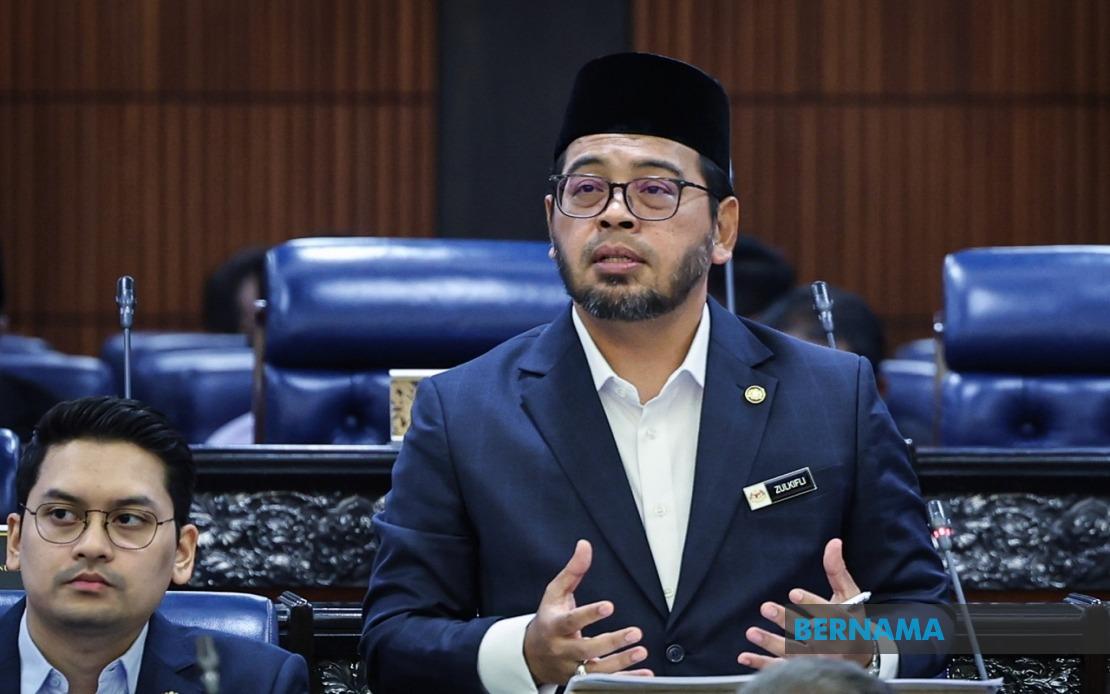
The debate revealed significant parliamentary consensus around the necessity to expedite amendments to the Tabung Haji Act 1995, a legal framework that lawmakers argue lacks sufficient rigour to prevent the oversight gaps that preceded the losses. Discussion centred on establishing clearer investment governance protocols, enhancing financial transparency mechanisms, and creating structural barriers against political interference in executive decision-making. Ministers in the Prime Minister's Department acknowledged these legislative deficiencies, with Dr Zulkifli Hasan emphasising that institutional strength must derive from robust systems rather than reliance on individual competence or integrity.
A particularly contentious element of the parliamentary debate involved the absence of several opposition MPs, who chose not to participate in proceedings. Government parliamentarians criticised this boycott as a dereliction of the scrutiny function owed to Malaysia's 10 million TH depositors, characterising the non-attendance as a failure to exercise checks and balances. The walkout intensified partisan tensions during a sitting that might otherwise have focused exclusively on institutional reform, introducing questions about whether legislative accountability mechanisms are themselves functioning adequately across party lines.
Dr Zulkifli articulated the government's reform philosophy, stressing that durable institutional change requires embedding safeguards into administrative architecture rather than depending on personnel continuity. He stated that every institutional decision must be anchored in legal frameworks, established policies, documented procedures, and formal checks-and-balances mechanisms designed to protect depositor interests. This systemic approach represents a departure from governance models that historically concentrated authority and discretion in senior management positions, a pattern the RCI identified as a contributing factor to TH's vulnerability to misadventure.
The government welcomed parliamentary support for establishing a multi-agency task force to identify and investigate investments at heightened loss risk, signalling openness to cross-institutional coordination in monitoring TH's remaining portfolio. This proposal addresses the recognition that TH's losses partly reflected inadequate due diligence during investment appraisal and insufficient ongoing monitoring of asset performance. The taskforce concept suggests policymakers are moving toward more collaborative oversight models involving securities regulators, the central bank, and anti-corruption authorities rather than relying solely on TH's internal controls.
Criminal accountability emerged as a recurring parliamentary demand throughout the sitting. Dr Zulkifli confirmed that investigating authorities had detained several individuals suspected of involvement in bribery, abuse of power, and governance breaches. These law enforcement actions represent the government's commitment to pursuing personal culpability alongside institutional reform, though MPs pressed for transparency regarding investigation timelines and prosecutorial outcomes. The emphasis on criminal consequences signals that parliamentary opinion views the losses as arising not merely from systemic inadequacy but from deliberate misconduct by individuals occupying positions of trust.
A crucial backdrop to the parliamentary debate involved the government's earlier decision to delay releasing the RCI report to allow TH time to implement recommendations and stabilise operations. While some viewed this deferral as appropriate to permit corrective action, others suggested it complicated public understanding of which reforms had been adopted preemptively versus implemented in response to formal findings. The RCI noted that TH had already executed 75 per cent of its 25 recommendations by July 30, indicating that some institutional response had preceded the report's public disclosure.
Hajj affordability featured prominently in reform discussions, with the government maintaining that its recovery programme has enabled TH to hold pilgrim costs at RM33,300 across three consecutive seasons through 2026. This price stability, achieved despite underlying financial stress, demonstrates the state's commitment to protecting ordinary Malaysians' access to a central Islamic obligation. However, this stability depends entirely on successful institutional remediation and prevention of further investment losses, elevating the stakes for reform implementation.
The financial architecture of TH's rescue revealed the tension between protecting depositor interests and imposing fiscal burdens on the state budget. By transferring RM10.2 billion in losses to the public account through the UJSB mechanism, the government absorbed costs that might otherwise have been borne by individual pilgrims or absorbed through long-term institutional restructuring. This approach prioritised protecting current depositors over penalising future taxpayers, a distributional choice that merits ongoing parliamentary scrutiny as reform proceeds.
Looking forward, parliamentary consensus appears to centre on three priorities: accelerated legislative reform to tighten TH governance, rigorous investigation and prosecution of individuals found culpable for losses, and systematic overhaul of investment selection and monitoring processes. The sitting demonstrated that across ideological lines, Malaysian lawmakers recognise TH as a critical institution serving predominantly middle and lower-income Muslim Malaysians, making governance failure not merely a technical or financial concern but a matter touching social equity and institutional legitimacy. The coming months will test whether this parliamentary resolve translates into concrete legislative changes and enforcement actions.

