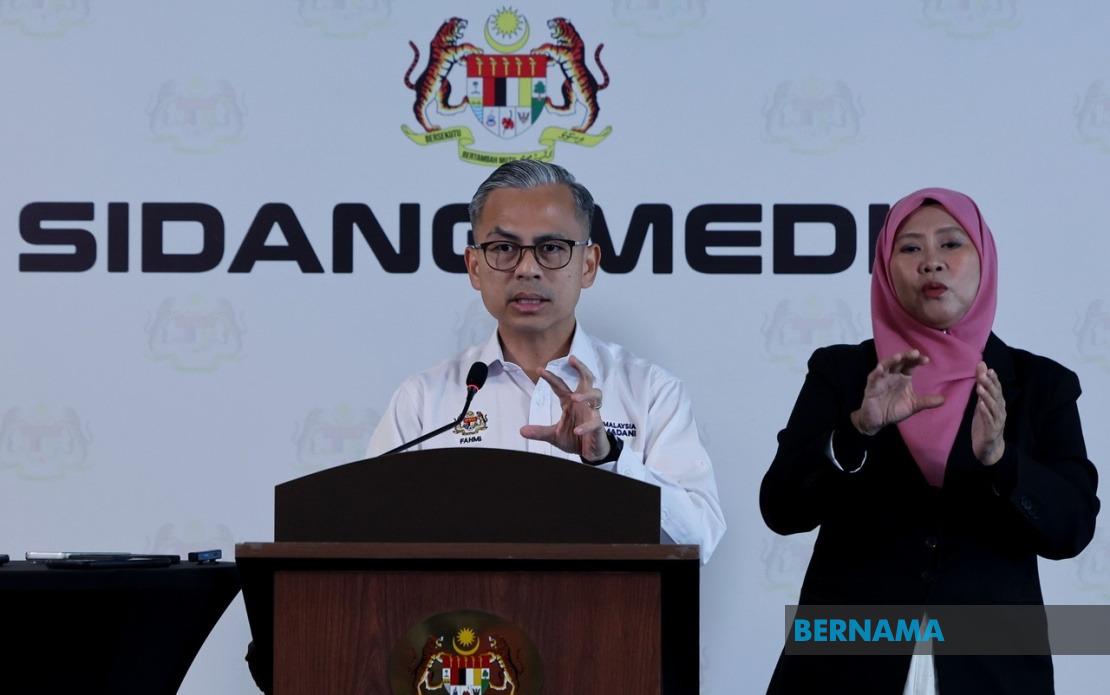
The Malaysian Parliament is preparing for a significant examination of governance failures at Tabung Haji, with Communications Minister Datuk Seri Fahmi Fadzil confirming that somewhere between 35 and 40 Members of Parliament have indicated their wish to participate in a dedicated Dewan Rakyat session examining the Royal Commission of Inquiry findings. The special sitting, set for August 11, represents an unusual parliamentary event designed to allow lawmakers sustained consideration of the commission's extensive investigation into Malaysia's pilgrim fund.
Parliamentary Speaker Tan Sri Johari Abdul has consented to an uninterrupted sitting format, permitting continuous debate from 10 am through the afternoon without the standard breaks that typically punctuate legislative business. This decision underscores the seriousness with which Parliament intends to address the RCI report, allowing members adequate time to scrutinise the commission's conclusions without artificial time constraints. The format reflects growing public concern about how the pilgrim fund's assets have deteriorated significantly over recent years.
The RCI investigation examined Tabung Haji's management and operational conduct spanning 2014 to 2020, a seven-year period during which the organisation experienced substantial erosion in asset value. Released on the Department of Islamic Development Malaysia portal on July 29, the report identified multiple problematic investment decisions that the commission deemed warranted comprehensive forensic examination. The scope of these concerns extends beyond routine administrative oversights, pointing instead to systemic issues within the fund's investment governance structure.
Among the more troubling findings documented in the RCI report were suspicious transactions that lack transparent justification and instances where information appears to have been deliberately concealed from oversight bodies. These discoveries have heightened parliamentary interest in understanding precisely how such transactions occurred and what mechanisms failed to prevent them. The commission's recommendation for forensic auditing of past investment decisions signals that the RCI itself identified patterns suggesting deliberate misconduct rather than mere incompetence or market miscalculation.
Tabung Haji holds profound significance within Malaysian society, functioning as a dedicated savings vehicle for Muslims planning to perform the Hajj pilgrimage while simultaneously investing accumulated funds to generate returns. The organisation manages contributions from millions of Malaysian Muslims whose life savings and pilgrimage aspirations rest upon prudent stewardship. When asset deterioration becomes severe enough to warrant royal commission investigation, the implications extend beyond financial metrics to encompass questions of fiduciary responsibility and public trust.
The planned parliamentary debate gains additional weight given Malaysia's recent political trajectory. Prime Minister Datuk Seri Anwar Ibrahim's administration has positioned itself as committed to transparency and accountability, particularly regarding governance lapses inherited from previous governments. A thorough parliamentary examination of Tabung Haji's failings aligns with this stated commitment to scrutinising institutional weaknesses that harm ordinary Malaysians. The breadth of parliamentary interest, reflected in the 35 to 40 members seeking to speak, suggests cross-party concern about the findings.
Arrangements for public access to the proceedings demonstrate an intention toward transparency. Citizens will be able to observe the debate live through official media channels that broadcast Dewan Rakyat proceedings, allowing constituents to hear directly from their representatives how they address questions surrounding the fund's mismanagement. This transparency mechanism potentially amplifies parliamentary accountability, as members know their constituents can monitor their contributions to the debate.
The August 11 sitting represents merely one phase in addressing what the RCI has identified as serious governance failures. The commission's specific recommendation for forensic auditing indicates that parliamentary debate should lead to concrete investigative action examining the precise mechanics of how problematic investments were approved and executed. Understanding the decision-making pathways that led to asset erosion becomes essential for preventing similar failures in other government-linked entities.
For Malaysia's broader governance landscape, the Tabung Haji RCI and subsequent parliamentary examination carry implications beyond the pilgrim fund itself. The case demonstrates parliamentary capacity to examine independent commission findings thoroughly and publicly, establishing precedent for similar investigations into other institutional failures. The level of legislative interest in participating suggests lawmakers increasingly recognise their responsibility for institutional oversight extends beyond mere approvals of government budget allocations.
The concentration of interest among 35 to 40 members from a parliamentary body comprising 222 seats indicates substantial but not universal participation. This raises questions about whether the remaining membership views the matter as insufficiently important to warrant their input or whether time limitations constrain speakers' opportunities. The proportions suggest the sitting will attract primary participation from those portfolios directly overseeing Islamic affairs, finance, or those with particular constituent interest in Tabung Haji's stability.
Regionally, Malaysia's willingness to conduct and publicly examine such inquiries distinguishes its governance approach. Many Southeast Asian nations treat equivalent institutional failures as matters for quiet administrative resolution rather than parliamentary spotlight. The RCI mechanism and consequent legislative deliberation reflect institutional maturity, though effectiveness ultimately depends on translating parliamentary findings into substantive reforms addressing the forensic audit recommendations and preventing future recurrence.
The pathway forward from the August 11 debate remains undefined. Depending on parliamentary consensus emerging from the discussion, lawmakers may push for prosecutions of individuals responsible for suspicious transactions, structural reforms within Tabung Haji's investment governance, or enhanced ministerial oversight mechanisms. The forensic audit itself will likely consume significant resources and time, as specialists examine thousands of transactions across a seven-year period to establish exactly how and why asset deterioration occurred. For millions of Malaysian Muslims whose contributions built Tabung Haji's reserves, the investigation's conclusions and subsequent corrective measures will determine whether the pilgrim fund can restore operational integrity and trustworthiness.

