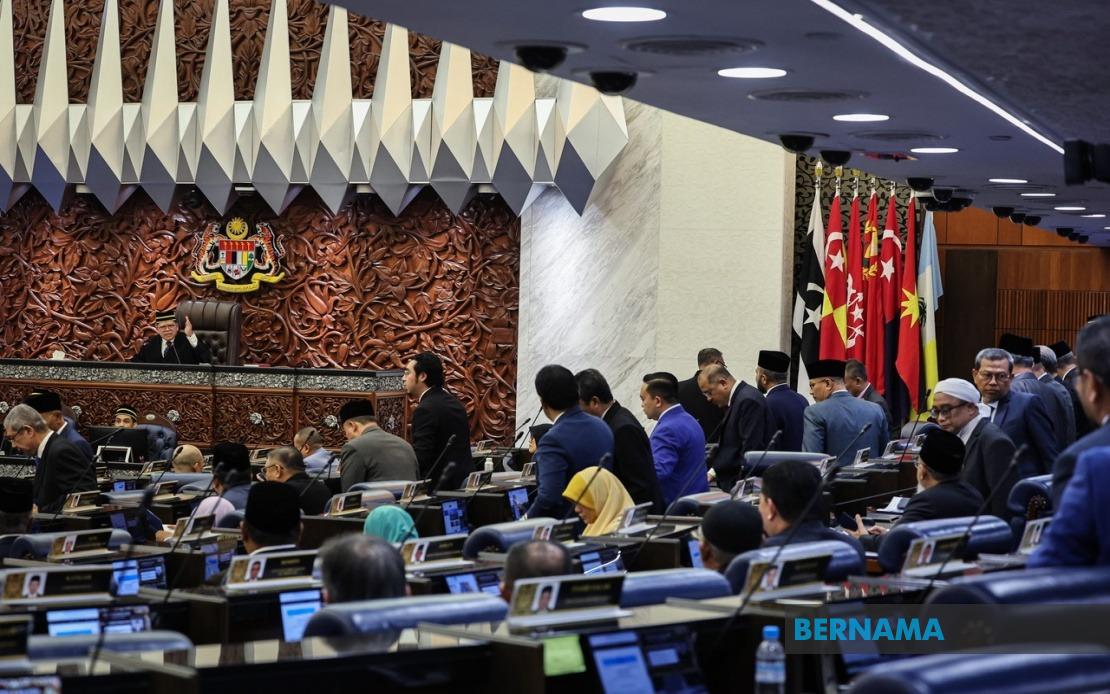
Parliament convened a special sitting on August 11 to facilitate wide-ranging discussion of the Royal Commission of Inquiry's findings concerning Lembaga Tabung Haji, with the Speaker confirming that lawmakers from across the political spectrum would receive ample time to scrutinize the report's conclusions. Speaker Tan Sri Johari Abdul stressed that the extraordinary parliamentary session reflected the government's commitment to openness and improved standards of institutional accountability.
The decision to hold the special sitting followed a formal request from Prime Minister Datuk Seri Anwar Ibrahim, who submitted the necessary notice to initiate proceedings under Standing Order 11(3) of the Dewan Rakyat's procedural rules. This regulatory framework permits the Speaker to convene additional sittings beyond the standard parliamentary calendar when matters of significant national importance require immediate legislative attention. Tan Sri Johari confirmed that upon receiving the Prime Minister's correspondence, he determined that the circumstances warranted invoking this provision.
During his remarks before the ministerial briefing, the Speaker explained that his decision to approve the sitting reflected his obligation to apply Standing Order 11(3) according to its terms. Rather than operating as a discretionary matter, the regulation essentially mandates that such requests from the Premier receive serious consideration when they pertain to issues affecting public governance. By facilitating the debate, Parliament positioned itself to address concerns that had clearly captured national attention and required legislative-level examination.
The RCI investigation into Tabung Haji's operations has been a matter of considerable public interest throughout Malaysia and the broader region. The hajj fund, which manages savings and investments for millions of Malaysian Muslims preparing for the Islamic pilgrimage, had faced scrutiny over allegations of mismanagement and financial irregularities. The commission's inquiry represented an official attempt to establish facts, identify responsibility, and propose remedial measures to restore institutional integrity and public confidence.
For Malaysian lawmakers, the special sitting provided an essential mechanism to fulfill their constitutional responsibility for legislative oversight. Members from the government coalition and opposition benches could engage with the inquiry's substantive findings, raise questions about governance failures, and contribute to public discourse regarding institutional reform. This transparency is particularly significant in Southeast Asia, where questions about parliamentary effectiveness and governmental accountability remain central to democratic legitimacy.
The scope of debate permitted under the special sitting extended beyond mere procedural acknowledgment of the report's existence. Legislators could examine specific recommendations emerging from the RCI's investigation, interrogate the basis for the commission's conclusions, and propose legislative or administrative responses to address identified shortcomings. This comprehensive approach to parliamentary scrutiny distinguishes between rubber-stamp approval of executive initiatives and genuine deliberative engagement.
For Tabung Haji contributors—the millions of Malaysian Muslims whose savings are entrusted to the institution—parliamentary debate on the RCI report carries profound implications. The outcome of these discussions could influence whether the institution implements meaningful reforms, whether individual accountability is pursued for identified misconduct, and whether confidence in hajj-related financial arrangements is restored. The visibility afforded through televised parliamentary debate also ensures that stakeholders can directly observe how their representatives engage with accountability issues affecting their interests.
The Speaker's emphasis on transparency reflects contemporary expectations regarding institutional governance standards across Malaysian society. Citizens increasingly demand that public institutions operate with openness, that inquiries into alleged mismanagement reach public conclusions, and that legislative bodies engage substantively with findings rather than accepting them pro forma. By characterizing the debate as serving the public interest, Tan Sri Johari aligned parliamentary procedure with broader governance principles.
Within the Southeast Asian context, Malaysia's approach to parliamentary scrutiny of governmental institutions offers a model that combines procedural regularity with substantive engagement. The RCI mechanism itself—an independent inquiry into institutional conduct—reflects commitments to investigating claims that might otherwise remain unexamined, while parliamentary debate ensures that findings receive legislative consideration and public exposure.
The ministerial briefing following parliamentary debate would present government responses to the RCI's findings and outline the administration's intended remedial course. This combination of independent investigation, parliamentary scrutiny, and executive response represents institutional checks designed to prevent concentrated power and ensure accountability to the Malaysian public.

