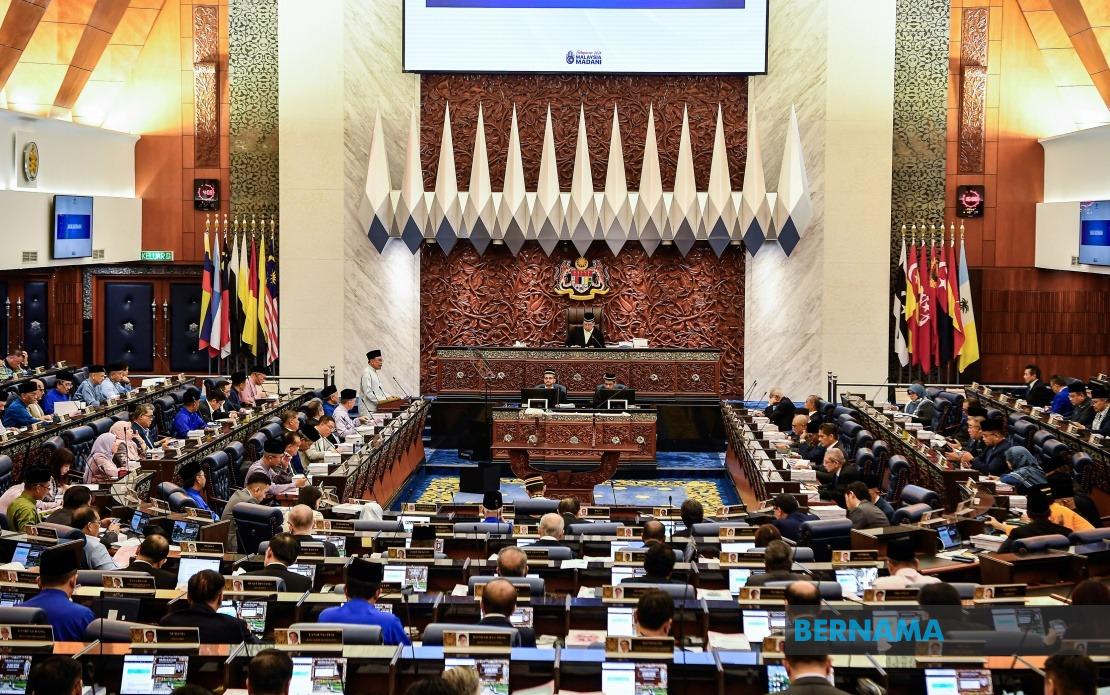
Malaysia's parliament has endorsed the Cybercrimes Bill 2026, marking a significant legislative step in combating emerging digital threats that have intensified across the region. The measure successfully navigated its final parliamentary hurdle on July 1 through a majority voice vote following substantive debate involving 48 lawmakers from both government and opposition benches. The comprehensive legislation addresses a spectrum of cybercrime issues through 61 distinct clauses, with particular emphasis on phenomena that have proliferated in Southeast Asia: the creation and distribution of deepfakes and sexually explicit images manufactured through artificial intelligence and advanced digital manipulation techniques.
The passage of this Bill occurs within a broader regional context where countries grapple with the intersection of technological advancement and personal privacy. Malaysia joins neighbouring jurisdictions wrestling with how to regulate digital harm while maintaining democratic principles. The legislation represents an attempt to establish clear legal boundaries around conduct that, until now, operated in significant grey zones. Deepfakes—synthetic media created through machine learning algorithms that superimpose individuals' likenesses onto different bodies or scenarios—have emerged as particularly troubling because they can rapidly spread across social media platforms, inflicting reputational damage and psychological harm to victims who may have no recourse under existing criminal statutes.
Deputy Prime Minister Datuk Seri Dr Ahmad Zahid Hamidi provided crucial clarifications regarding the Bill's scope during parliamentary proceedings, emphasising that the legislation does not represent an unchecked expansion of state authority. His remarks address concerns that have periodically surfaced in Malaysian civil society and among opposition legislators—that new cybercrime laws might become instruments for suppressing legitimate speech or political dissent. Zahid explicitly stated that the Bill operates within existing constitutional frameworks and does not supersede established legislation such as the Official Secrets Act 1972, positioning the new framework as complementary rather than revolutionary.
Central to parliamentary assurances about the Bill's implementation is the stipulation that investigative authorities cannot exercise investigative powers with arbitrary discretion. The legislation establishes procedural requirements designed to create friction against abuse. Specifically, before authorities may preserve computer data during investigations, investigating officers must satisfy preliminary conditions: they must hold reasonable belief that the data relates to their inquiry, and they must identify genuine risk that relevant information might be deliberately or accidentally destroyed, modified, or corrupted if urgent intervention is not implemented. This threshold approach reflects an effort to balance security interests with privacy protection.
When addressing how authorities may obtain and examine digital information held by individuals or organisations, the government emphasised transparency and constraint. Rather than granting inspectors unilateral access to systems or data repositories, the Bill mandates that disclosure requests proceed through formal written notice to data custodians, whether those custodians are individuals, businesses, or other entities. This requirement serves multiple functions: it creates documentary evidence of official requests, affords data holders opportunity to seek legal advice or challenge unreasonable demands, and establishes an auditable trail that can be scrutinised during judicial review if allegations of abuse subsequently emerge.
The Bill's focus on non-consensual intimate imagery reflects the lived experiences of Malaysians, particularly women, who have fallen victim to image-based harassment. Such abuse—wherein explicit or suggestive photographs or video are shared without consent, or fabricated deepfake versions are created and disseminated—causes profound trauma and can trigger lasting psychological injury, social ostracism, and economic harm. Victims often refrain from reporting incidents due to shame, fear of additional exposure, or distrust that authorities will treat the matter seriously. By creating distinct offences and penalties specifically targeting this conduct, the Bill signals governmental recognition of image-based abuse as a serious crime warranting dedicated legal remedies.
The deepfake dimension of the legislation addresses technology that has outpaced legal frameworks across most Commonwealth jurisdictions. Deepfake technology—which continues advancing at remarkable speed—can be weaponised to create fraudulent evidence, engineer political interference, facilitate extortion, or deliberately harm reputations. In Malaysia and across Southeast Asia, documented cases have emerged where synthetic media either impersonated public figures making inflammatory statements or created false records of private individuals engaged in compromising conduct. The legislation's inclusion of deepfake-specific provisions acknowledges that generic fraud, defamation, or harassment statutes often prove inadequate when applied to synthetic media, partly because they were drafted in eras when image and video manipulation required professional equipment and expertise rather than consumer-accessible applications.
Opposition and civil society organisations will likely scrutinise implementation closely in coming months. Concerns may persist regarding whether authorities will apply the Bill proportionately, particularly in politically sensitive cases, or whether judicial oversight mechanisms will function effectively. The government's parliamentary reassurances about built-in safeguards will be tested in practice as the first investigations and prosecutions unfold. Malaysian courts will eventually be called upon to interpret ambiguous provisions, establish precedent regarding what constitutes actionable deepfakes, and assess whether evidentiary standards are appropriately calibrated.
The Bill's passage reflects international momentum toward addressing technology-facilitated abuse. Other nations including Singapore, the United Kingdom, and several Australian states have enacted or are developing similar legislation. Regional cooperation on these matters remains limited, however, creating potential challenges for enforcement when perpetrators operate across borders or host illegal content on servers physically located beyond Malaysian jurisdiction. Practical implementation will require developing investigation and prosecution expertise within existing law enforcement and judicial institutions that traditionally have focused on conventional cybercrime categories.
For ordinary Malaysians, the Bill's primary significance lies in recognising image-based abuse and deepfakes as criminal matters deserving protection under law. Individuals victimised by non-consensual image sharing now possess legal recourse through dedicated offences rather than attempting to stretch inapplicable statutes. The legislation also carries implications for digital platforms operating in Malaysia, which may face increased pressure to establish robust content moderation systems and respond promptly to removal requests. Technology companies will need to invest in detecting synthetic media and facilitating victim reporting, particularly given that Malaysian courts may eventually hold platforms liable under certain circumstances.
Looking forward, the Bill's success will ultimately depend on whether regulatory agencies and courts apply its provisions judiciously and consistently. The government's parliamentary statements emphasising constitutional protections and procedural safeguards serve as public commitments against abuse. How subsequent administrations and judicial bodies interpret and enforce these commitments will determine whether the legislation becomes a genuine shield protecting digital dignity or merely an additional tool that could potentially be weaponised against vulnerable populations.

