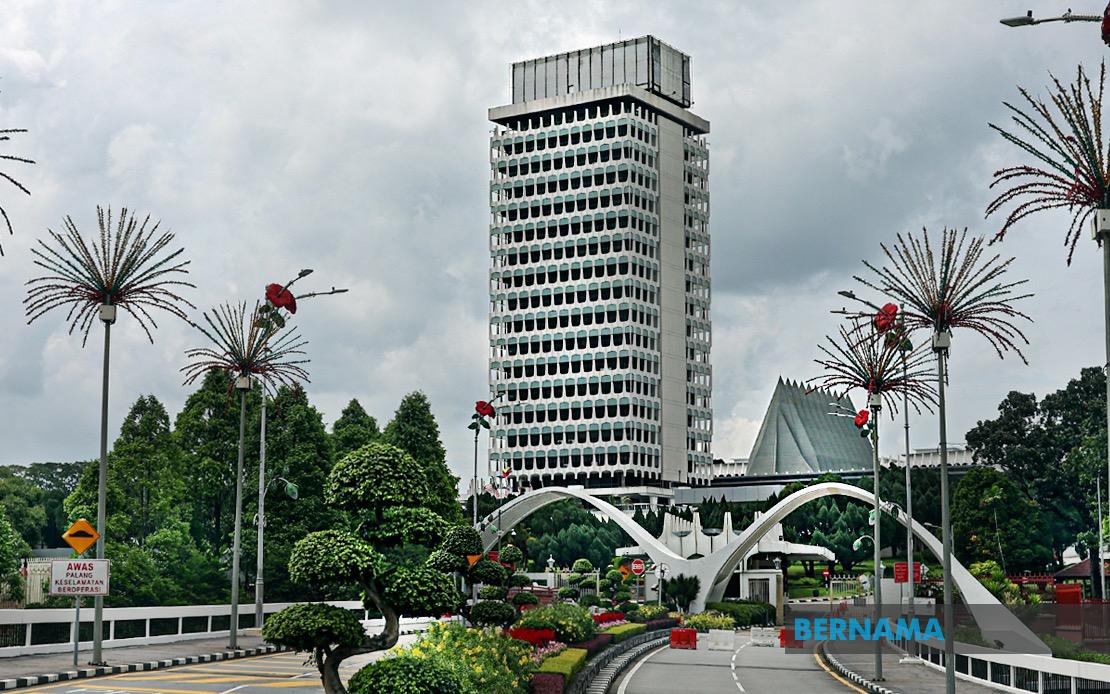
The Dewan Rakyat is preparing to tackle three significant governance concerns today, signalling growing parliamentary scrutiny over economic pressures affecting small businesses, democratic institutions, and community welfare provisions. The day's agenda reflects persistent tensions between the government's stated development priorities and emerging challenges that entrepreneurs, civil society, and vulnerable groups continue to face across the country.
MSME sector struggles remain a focal point for lawmakers, with Lee Chuan How from Ipoh Timor planning to confront the Prime Minister directly about financing accessibility. The question targets a systemic problem that has plagued Malaysia's entrepreneurial ecosystem for years: despite multiple government initiatives and promises of enhanced support, small business operators report continued difficulty in obtaining loans and credit lines necessary for operational continuity. This inquiry gains weight given that MSMEs collectively employ millions of Malaysians and contribute significantly to GDP, yet remain structurally undercapitalised relative to their economic importance.
The financing question reflects anxieties within the business community that have intensified recently. Banks maintain stringent collateral requirements that disadvantage newer ventures and informal-sector operators, while government-backed microfinance schemes often carry bureaucratic hurdles that deter applications. For Malaysia's substantial population of hawkers, small manufacturers, and retail entrepreneurs, accessing working capital at reasonable rates remains a monthly struggle. The MADANI Government's stated commitment to inclusive growth will face scrutiny over whether policy rhetoric translates into tangible relief mechanisms that genuinely expand credit availability.
Parallel to economic concerns, Ahmad Fadhli Shaari will raise Malaysia's deteriorating international standing on media freedom. The nation's slide from 88th to 95th place in the 2026 World Press Freedom Index represents a backwards step that extends beyond statistical ranking. This decline carries implications for Malaysia's regional reputation and democratic health, particularly as Southeast Asian nations increasingly compete on governance metrics that attract international investment and talent. A falling press freedom score signals tightening editorial space, increased pressure on journalists, or reduced institutional protection for newsrooms operating without fear of arbitrary action.
Media freedom serves as an early indicator of democratic vitality across multiple domains. When press independence contracts, accountability mechanisms weaken, and governments face fewer external checks on executive power. Malaysia's trajectory concerns civil society observers who view robust journalism as essential for exposing corruption, investigating corporate malfeasance, and scrutinising public spending. The question posed by the Pasir Mas legislator will probe whether the government recognises this decline and what corrective measures are contemplated to reverse the trend before further erosion occurs.
The accessibility initiative championed by Aminolhuda Hassan addresses a separate but equally important constituency often neglected in mainstream policy discussions. Senior citizens represent a rapidly expanding demographic segment in Malaysia, yet public infrastructure frequently lacks provisions enabling their safe participation in community and religious spaces. The proposal for a Senior Citizens-Friendly Fund targeting mosque and surau facilities demonstrates awareness that demographic change requires proactive infrastructure adaptation. Wheelchair ramps and accessible toilets seem elementary requirements, yet remain absent from many religious facilities, effectively excluding elderly and mobility-impaired worshippers from congregational life.
This initiative carries particular resonance in the Malaysian context, where religious institutions serve broader social functions beyond worship. Mosques and suraus function as community hubs where seniors gather for fellowship, learning, and mutual support. Barriers to physical access translate into social exclusion for vulnerable populations during formative years of life expectancy and heightened health vulnerability. The government's response will indicate whether aging societies receive genuine policy priority or remain peripheral to developmental thinking.
Beyond individual questions, Parliament's broader agenda reveals substantive constitutional and institutional review processes underway. The scheduled debate on SUHAKAM's 2024 Annual Report provides opportunity to assess the Human Rights Commission's operational effectiveness and whether adequate resources support its investigative mandate. Concurrently, discussion of the Constitution (Amendment) (No. 2) Bill 2026 addresses fundamental institutional architecture by proposing separation of the Attorney General and Public Prosecutor roles. This constitutional reconfiguration seeks to enhance prosecutorial independence and reduce perceptions that legal proceedings serve political interests rather than pure justice objectives.
The convergence of these diverse agenda items reflects Parliament's role as venue where competing societal interests achieve representation and deliberation. MSME entrepreneurs, journalists, elderly citizens, and constitutional reform advocates occupy different constituencies, yet all bring legitimate claims requiring governmental attention. The quality of response from cabinet ministers will determine whether Parliament functions as genuine accountability forum or ceremonial chamber where questions receive pro-forma answers disconnected from policy substance.
For Malaysian business stakeholders, today's proceedings offer barometer of government seriousness regarding MSME support. Specific commitments regarding interest rate subsidies, collateral waivers, or accelerated approval processes would demonstrate tangible action beyond rhetorical pledges. Similarly, press freedom advocates will scrutinise whether officials acknowledge the ranking decline and articulate concrete strategies for institutional reform. Likewise, senior citizen advocates will assess whether the government entertains the accessibility fund concept or dismisses it as financial burden. These Parliamentary exchanges, though sometimes theatrical, retain significance as official records of government position and commitment level.

