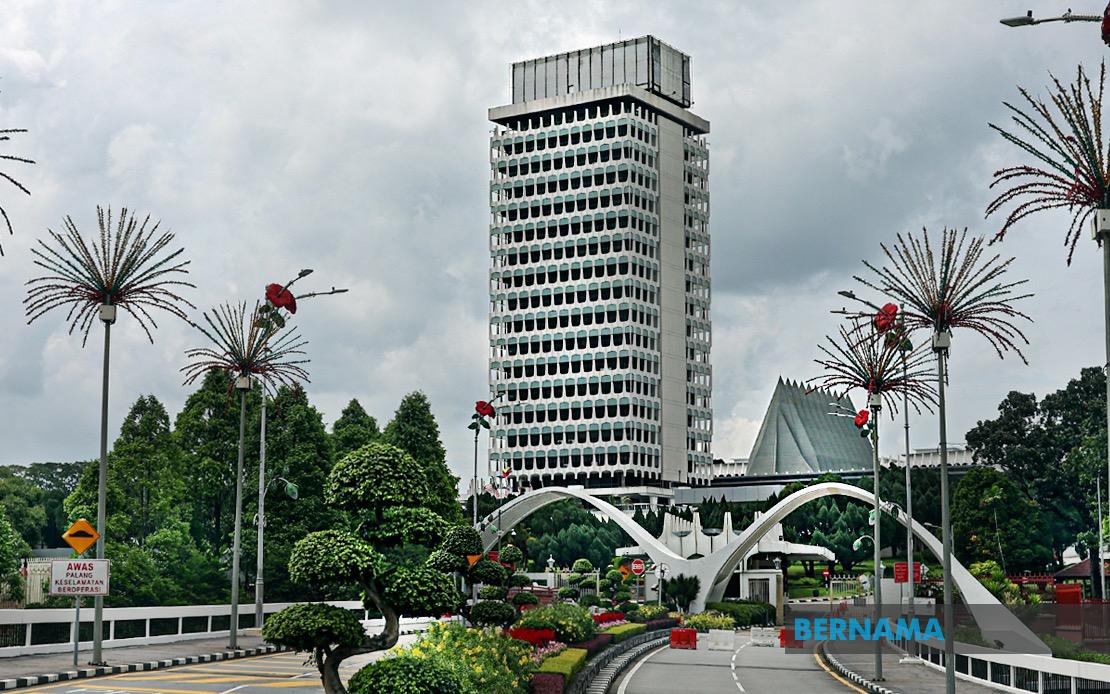
Parliament reconvenes this week for a critical sitting that will tackle some of Malaysia's most pressing contemporary challenges, ranging from digital regulation to classroom safety and economic resilience in the face of global disruptions. The Dewan Rakyat's 16-day session, running through July 16, reflects the government's multi-faceted agenda as it seeks to operationalise recent legislation, address persistent safety concerns, and protect vulnerable business sectors from external shocks.
The Online Safety Act 2025 will dominate early parliamentary discussions, with Ampang MP Rodziah Ismail pressing the Communications Minister for specifics on ten subsidiary instruments currently in development. These supporting regulations and guidelines form the critical bridge between legislation and practical enforcement, determining how the law will actually function in Malaysia's digital ecosystem. The subsidiary instruments will establish the regulatory framework that defines how the act operates, spelling out specific obligations for digital platforms, the scope of content regulation, and the procedural mechanisms for compliance monitoring. Understanding these foundational rules is essential for businesses, civil society, and digital service providers preparing to operate under the new regime. The parliament will scrutinise not only what these instruments cover but also their developmental timeline, ensuring Malaysia can implement comprehensive online safety protections without creating unnecessary bureaucratic obstacles or regulatory confusion.
School safety emerges as another critical concern, with Kulim Bandar Baharu MP Roslan Hashim seeking comprehensive assurances from the Education Minister about pupil protection across the national education system. This inquiry reflects persistent anxieties among parents and educators about bullying, accidents, and security threats within school environments. The question will probe what specific measures the Education Ministry has implemented or plans to introduce to create safer learning spaces, addressing both physical infrastructure concerns and psychological wellbeing. For Malaysian families, particularly those in urban centres, school safety directly impacts confidence in public education and shapes decisions about educational pathways for their children.
The plight of micro-entrepreneurs displaced by regional instability takes centre stage through Kalabakan MP Datuk Andi Muhammad Suryady Bandy's question to the Finance Minister. The prolonged crisis in West Asia has created cascading disruptions across global supply chains, with Malaysian small traders, hawkers, and micro, small and medium enterprises bearing the brunt through inflated logistics costs and unpredictable sourcing. These businesses, often operating on razor-thin margins, lack the financial cushion of larger corporations to absorb sudden cost increases. The parliamentary inquiry will probe what immediate relief measures the government can deploy, whether through subsidies, credit facilities, or regulatory relief, to prevent these economic actors from collapsing under external pressure. Southeast Asia's economic resilience depends substantially on these grassroots entrepreneurs, making their survival a matter of national economic importance.
Transport infrastructure development will also feature, with Ayer Hitam MP Datuk Seri Dr Wee Ka Siong requesting updates on the Johor Elevated Autonomous Rapid Transit project. This project represents Malaysia's commitment to modernising regional transport networks through technological innovation. The E-ART initiative reflects broader national ambitions to enhance connectivity and reduce congestion in rapidly urbanising areas, with implications extending beyond Johor to the broader Klang Valley-Singapore corridor. Parliamentary oversight of such major infrastructure projects ensures public accountability and allows lawmakers to address implementation bottlenecks or budget concerns.
Road safety improvements warrant parliamentary attention as well, with Kangar MP Zakri Hassan challenging the Works Minister to justify specific implementation decisions affecting public safety infrastructure. These technical but crucial debates about implementation justify the necessity for legislative scrutiny and public transparency.
Sabah's healthcare development prospects depend on parliamentary assurance that fiscal adjustment policies will not compromise service delivery or facility expansion. Putatan MP Datuk Shahelmey Yahya's question to the Health Minister addresses legitimate concerns that national budgetary constraints might disadvantage less-developed states or peripheral regions. Equitable healthcare development across Malaysia's diverse geography requires explicit safeguards against unintended regional disparities.
Cybersecurity considerations underpin discussions about social media age restrictions, with Tenom independent MP Riduan Rubin pressing the Home Affairs Minister to articulate potential security implications of implementing a 16-year-old minimum age requirement for social media usage. This question reflects sophisticated understanding that digital policy has security dimensions beyond obvious content moderation concerns. Age restrictions could reshape digital literacy patterns, authentication mechanisms, and online behaviour verification systems, creating both opportunities and vulnerabilities in Malaysia's evolving cybersecurity landscape.
Parallel to these parliamentary questions, the sitting will feature second reading debate on the Competition (Amendment) Bill 2026, which the Domestic Trade and Cost of Living Minister will table. This legislative initiative signals government determination to strengthen competition oversight and consumer protection frameworks, addressing persistent concerns about market concentration and fair trading practices affecting Malaysian consumers and businesses alike.
This parliamentary session encapsulates contemporary Malaysia's regulatory ambitions and practical governance challenges. The breadth of topics—from digital regulation to classroom safety, from supply chain resilience to healthcare equity—demonstrates Parliament's role as a forum where disparate constituencies raise their concerns and demand government accountability. The sitting's outcomes will shape how Malaysian society navigates digital transformation, protects vulnerable populations, and maintains economic stability amid regional turbulence. For regional observers, these debates signal Malaysia's commitment to legislative oversight and responsive governance during periods of accelerating change and external pressure.

