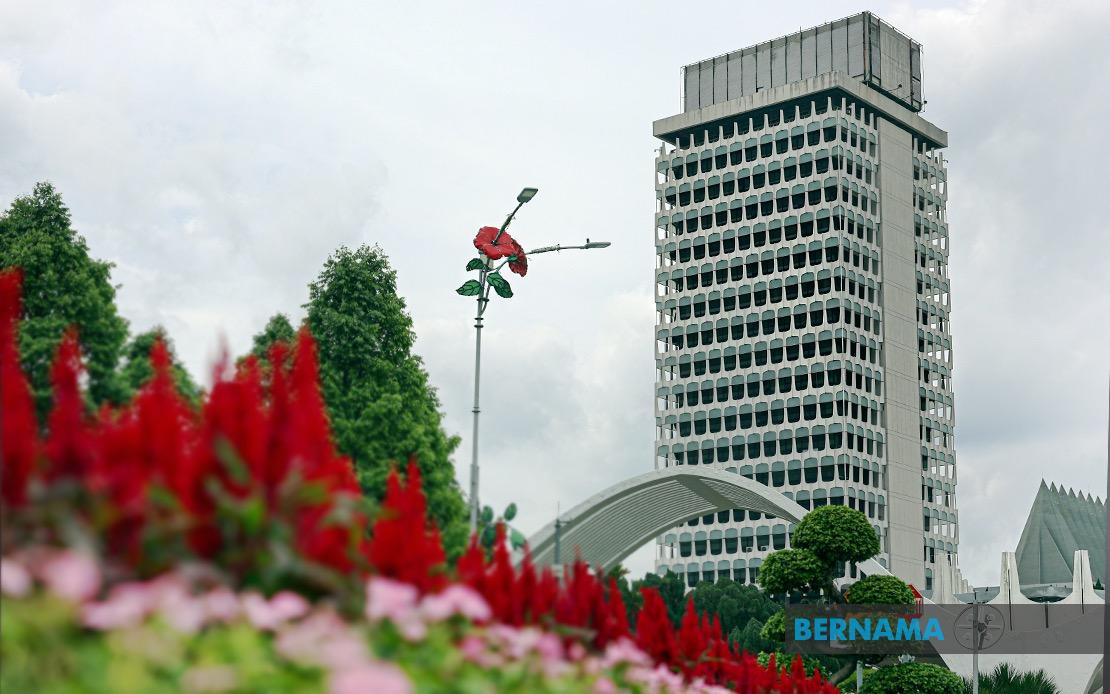
Parliament reconvened on July 13 with legislators prepared to scrutinise the government's international diplomacy, domestic agricultural resilience, and military procurement strategies across multiple parliamentary questions and legislative proposals. The agenda reflects pressing concerns facing the nation as it navigates geopolitical tensions, economic pressures on the farming sector, and strategic national defence considerations.
The question of UN Security Council reform has become increasingly urgent for Malaysian policymakers. Datuk Seri Sh Mohmed Puzi Sh Ali, the Pekan Member of Parliament, will press the Foreign Minister to articulate Malaysia's strategic blueprint for advocating structural changes to the global governance body. The underlying concern centres on how the permanent members' veto power has become a structural impediment to collective action on matters affecting smaller nations. Malaysia, as a middle-power country without permanent representation, has long argued that the Security Council's composition and decision-making mechanisms no longer reflect 21st-century geopolitical realities. The government's efforts to amplify Malaysia's voice within UN structures, particularly in securing meaningful positions on influential committees, will be examined during the session.
Food security has emerged as an urgent policy priority, particularly as agricultural costs continue to climb in response to regional instability. Shaharizukirnain Abd Kadir from Setiu will question Agriculture and Food Security Minister on the comprehensiveness of contingency planning for an anticipated supply crisis. Beyond immediate response measures, legislators want clarity on whether the incentive schemes directed towards food-producing states are delivering tangible improvements in self-sufficiency levels. With input costs rising sharply due to disruptions linked to the West Asia conflict, farmers across Malaysia face mounting pressures on profitability, which threatens long-term commitment to domestic food production. The government's ability to demonstrate both preventive strategies and targeted support mechanisms will significantly influence confidence in the nation's food resilience.
Military supply chain vulnerabilities represent another dimension of national strategic concern. Datuk Awang Hashim from Pendang will ask the Defence Minister to assess how heavily Malaysia's armed forces depend on foreign suppliers and what this reliance means for broader strategic asset development planning. Supply chain disruptions have become an acute problem globally, with delays and contract cancellations affecting military modernisation timelines. Malaysia's defence sector faces particular challenges given its geographical position and the complexity of sourcing advanced military equipment. The government's risk mitigation strategies, including supplier diversification and localisation efforts, will be scrutinised for their adequacy and implementation progress.
The green hydrogen sector has attracted particular attention from Sarawak's representatives. Rodiyah Sapiee will explore how the government intends to coordinate national energy policy to support hydrogen industry development, with emphasis on Sarawak's potential as a regional hydrogen hub. This question reflects broader Southeast Asian ambitions to position the region as a clean energy leader while leveraging natural resource advantages. Coordination between federal and state authorities remains critical for realising these aspirations, particularly given Sarawak's energy infrastructure and hydroelectric capacity. The implications extend beyond energy production, touching on industrial competitiveness, investment attraction, and environmental commitments under regional and international climate frameworks.
Beyond parliamentary questions, the sitting will progress several legislative items. Seven government Bills are scheduled for first reading, signalling the government's legislative priorities. The Communications and Multimedia (Amendment) Bill 2026 and the related Malaysian Communications and Multimedia Commission (Amendment) Bill 2026 suggest ongoing refinements to Malaysia's digital governance framework. The Social Work Profession Bill 2026 indicates parliamentary attention to social welfare system professionalisation, potentially addressing standards, training, and ethical frameworks for practitioners in this crucial sector.
The Control of Paddy and Rice (Amendment) Bill 2026 will resume debate following from earlier sessions. This legislation directly connects to food security discussions, as paddy and rice remain fundamental to Malaysia's agricultural policy and rural livelihoods. Amendment debates on this measure will likely reveal government thinking on how to balance farmer support, consumer affordability, supply stability, and market mechanisms. The Minister's closing remarks will synthesise parliamentary input and clarify the government's position on contested provisions.
The current parliamentary sitting, scheduled through July 16, provides an extended window for substantive deliberation on complex policy matters. This extended sitting format allows legislators to move beyond routine questions and engage more deeply with government representatives on strategic issues. For Malaysian observers, the session indicates that Parliament remains seized of crucial national concerns ranging from global governance participation through domestic agricultural resilience to defence modernisation. The depth of parliamentary engagement on these diverse fronts suggests recognition that Malaysia faces interconnected challenges requiring coordinated policy responses.
The parliamentary agenda reflects how international developments increasingly shape domestic policy imperatives. Regional instability affects agricultural input costs, global governance structures influence Malaysia's diplomatic influence, and international supply chains impact defence capabilities. Malaysian policymakers must navigate these interconnections while balancing competing demands for resources and attention. The session will ultimately reveal whether government responses demonstrate comprehensive strategic thinking or remain reactive to immediate pressures, a distinction that will influence public confidence in policy direction across multiple crucial domains.

