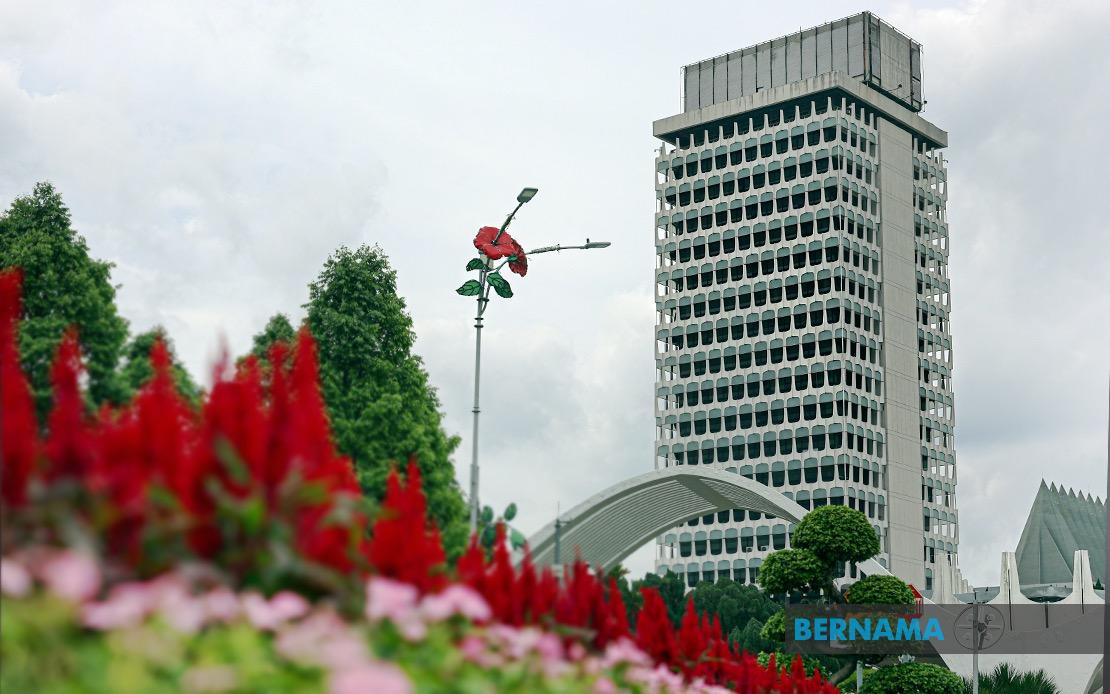
Parliament convened today for the second meeting of its fifth session with a substantive agenda spanning financial accountability, energy transition and social welfare—three critical areas shaping Malaysia's economic and developmental trajectory. The 16-day sitting, running through July 16, reflects the complexity of issues lawmakers must navigate as the nation grapples with legacy debt, climate commitments and mounting pressures on vulnerable populations.
Central to parliamentary scrutiny is the persistent question of 1Malaysia Development Bhd (1MDB), the sovereign wealth fund that became synonymous with one of the world's largest financial scandals. Chong Chieng Jen, representing the Pakatan Harapan coalition from Stampin, will press the Finance Minister for a comprehensive accounting of outstanding debt obligations and repayment progress. Beyond the headline figures, Chong seeks transparency on the total value of misappropriated funds and assets that have been recovered—a measure of success in the government's ongoing efforts to recoup losses from the 1MDB collapse. For Malaysian taxpayers, these questions carry weight; the nation remains burdened by liabilities stemming from 1MDB's failed ventures and questionable transactions, and public confidence hinges on demonstrable progress in asset recovery and debt reduction.
The renewable energy agenda addresses Malaysia's commitment to decarbonisation and energy security in an increasingly climate-conscious region. Datuk Seri Dr Ronald Kiandee, a Perikatan Nasional member from Beluran, will interrogate the Energy Transition and Water Transformation Minister on the effectiveness of cross-sector collaboration in meeting national renewable targets. His focus on investment realisation, specific projects and transition obstacles reflects growing recognition that Malaysia's energy shift depends not merely on policy pronouncements but on tangible infrastructure deployment and inter-agency coordination. The questions highlight implementation gaps that often characterise ambitious energy transitions in developing economies—the difference between targets announced and kilowatts actually generated.
Social welfare concerns underscore demographic and urban challenges largely absent from earlier parliamentary sessions. Fong Kui Lun, a Pakatan Harapan legislator from Bukit Bintang, will ask the Women, Family and Community Development Ministry for data on homelessness among elderly citizens and persons with disabilities in urban areas during the current year. This query signals heightened parliamentary attention to an often-invisible crisis; as Malaysia urbanises rapidly and family structures evolve, the safety net for vulnerable groups has frayed. Fong's supplementary inquiry regarding long-term capacity plans for shelters, care facilities and social intervention programmes indicates that lawmakers recognise piecemeal solutions are insufficient.
The parliamentary agenda also includes a substantive briefing from the Parliamentary Special Select Committee on Women, Children and Community Development, focusing on improvements to Malaysia's Integrated One Stop Crisis Centre (OSCC) services. This initiative consolidates crisis response infrastructure—addressing domestic violence, child abuse and family breakdown—into unified facilities. The briefing suggests ongoing refinement of service delivery models, reflecting lessons learned from earlier implementations and feedback from beneficiaries and service providers.
Legislative business extends to agricultural policy, with the Agriculture and Food Security Minister scheduled to table the Control of Padi and Rice (Amendment) Bill 2026 for its second reading. This bill addresses regulatory frameworks governing paddy and rice production, sectors foundational to Malaysia's food security and rural livelihoods. Rice remains culturally and nutritionally central to Malaysian life, and legislative refinements signal government intent to modernise governance while protecting producer interests and consumer affordability.
Together, these parliamentary items illustrate the multifaceted challenges confronting Southeast Asia's third-largest economy. The 1MDB matter represents accountability for historical mismanagement and institutional failure—a lesson applicable across the region where sovereign wealth institutions operate. Renewable energy questions reflect Malaysia's positioning within global decarbonisation imperatives while navigating economic competitiveness concerns. And the welfare agenda acknowledges that rapid development creates winners and losers; without deliberate intervention, marginalised populations face deepening precarity.
For Malaysian stakeholders, these debates carry immediate implications. Investors scrutinising governance and transparency will monitor how effectively lawmakers hold ministers accountable on 1MDB recovery. Manufacturers and grid operators tracking energy policy will assess whether renewable targets translate into reliable, affordable power. Charities, social workers and vulnerable communities themselves will observe whether parliamentary concern translates into resourced programmes. The 16-day sitting offers opportunity to move beyond symbolic gestures toward substantive policy clarification and resource commitment. How robustly Parliament exercises its oversight function—whether questioning ministers yields meaningful commitments rather than defensive rhetoric—will determine whether these sessions produce lasting institutional change or merely ceremonial accountability theatre.

