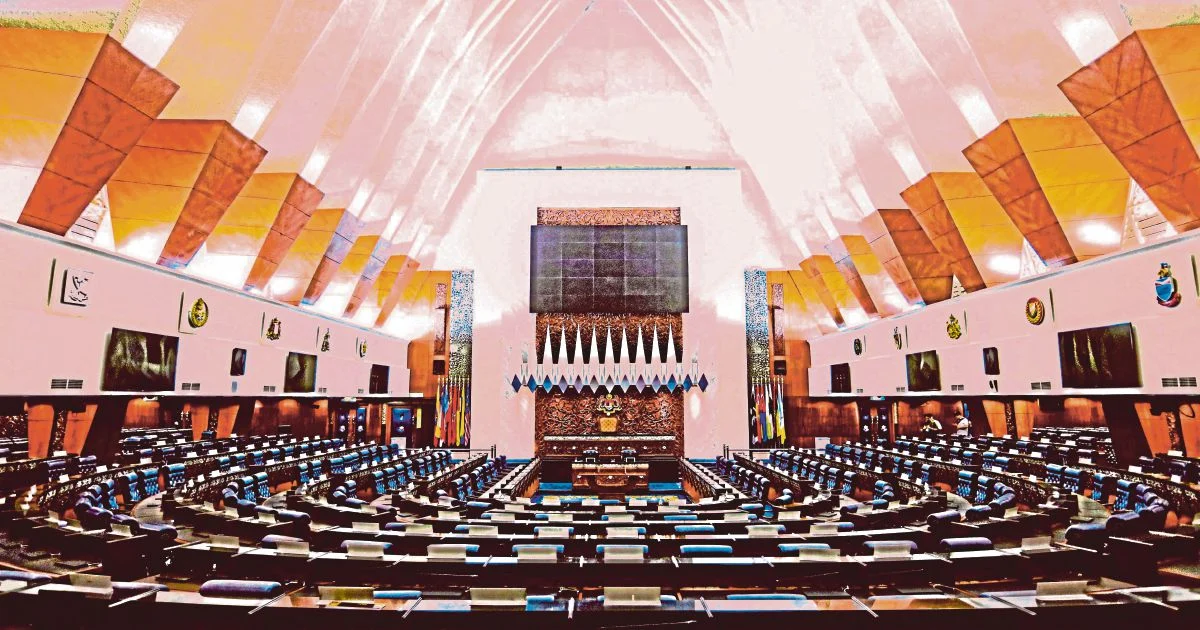
Lawmakers in the Dewan Rakyat are set to tackle two pressing strategic challenges facing the nation today: the advancement of the Malaysia-Thailand Border Economic Zone and the ripple effects of an escalating crisis in one of the world's most critical maritime chokepoints. The dual focus reflects growing concerns among Malaysian policymakers about border development opportunities alongside economic vulnerabilities stemming from international tensions.
The Malaysia-Thailand Border Economic Zone represents a significant regional integration initiative designed to unlock commercial potential along one of Southeast Asia's busiest land boundaries. This cross-border framework aims to facilitate trade, investment, and joint development projects that could benefit communities in both nations while strengthening bilateral economic ties. Lawmakers are expected to examine the zone's progress, implementation timelines, and mechanisms for coordinating between Malaysian and Thai authorities to ensure smooth operations and fair benefit-sharing for stakeholders on both sides.
The parliamentary discussion arrives as the project faces the practical realities of cross-border infrastructure development, regulatory harmonization, and the alignment of two different economic systems. Malaysia has significant interest in leveraging its position as a gateway between Southeast Asia and global markets, making an efficient border zone crucial for enhancing competitiveness. The zone's potential extends beyond simple trade facilitation to encompassing joint industrial parks, logistics hubs, and tourism initiatives that could generate employment and attract regional investors.
Parallel to these development discussions, the Dewan Rakyat will address growing concerns about the Strait of Hormuz, through which roughly one-third of global maritime trade in oil passes annually. Tensions in this strategic waterway have intensified due to geopolitical conflicts involving major powers and regional actors, creating uncertainty for nations dependent on stable energy supplies and reliable shipping routes. Malaysia, as a major Southeast Asian economy heavily reliant on maritime trade and energy imports, faces direct economic exposure to any disruption in this corridor.
The Strait of Hormuz crisis carries immediate implications for Malaysian businesses engaged in international commerce, shipping companies operating regional routes, and energy security planning. Any sustained disruption or military escalation in the region could drive up insurance costs for vessels, lengthen shipping times, and increase freight expenses that ultimately feed into consumer prices and corporate operational budgets. For Malaysia's refining and petrochemical industries, which depend on stable crude supplies, the volatility represents a material risk to production planning and export competitiveness.
Lawmakers will likely scrutinize government contingency planning for potential supply chain disruptions and evaluate diplomatic strategies for protecting Malaysian interests in a volatile geopolitical environment. The discussion provides an opportunity for parliament to assess whether current trade diversification efforts and strategic partnerships adequately insulate the nation from external shocks originating thousands of kilometers away but with immediate domestic consequences.
The twin focus of today's parliamentary session underscores a fundamental reality of modern Southeast Asian economies: development initiatives must proceed against a backdrop of global instability. The Malaysia-Thailand Border Economic Zone, while primarily regional in scope, exists within an international system where Middle Eastern tensions, major power rivalries, and maritime security challenges directly affect the viability of regional projects and the predictability of investment returns.
For Malaysian stakeholders, the parliamentary debate signals official acknowledgment that strategic economic planning requires simultaneous attention to opportunity creation and risk management. The border zone discussion reflects confidence in bilateral cooperation and regional integration, while the Hormuz focus demonstrates vigilance about external vulnerabilities. Effective governance during this session will require legislators to balance optimism about development with realism about global economic headwinds.
The Strait of Hormuz represents a classical foreign policy challenge for Malaysian policymakers: the nation has limited direct influence over developments in the Persian Gulf yet profound dependence on maintaining stability in that region. This asymmetry has prompted Malaysian officials to pursue diplomatic channels, strengthen relationships with multiple powers, and advocate for freedom of navigation principles through international forums. Today's parliamentary discussion will likely emphasize these diplomatic efforts while also exploring economic diversification strategies that reduce over-reliance on any single supply source.
The timing of this parliamentary session reflects heightened regional awareness of interconnected risks. As Malaysia pursues the Border Economic Zone as a mechanism for generating growth and deepening ties with Thailand, the nation simultaneously confronts the reality that global supply chains remain vulnerable to disruptions originating from geopolitical conflicts thousands of kilometers distant. Parliamentary oversight of both issues provides an important mechanism for ensuring government accountability in managing these competing priorities.
Legislators are expected to request detailed briefings on the government's strategy for advancing the Malaysia-Thailand Border Economic Zone while simultaneously maintaining economic resilience amid external uncertainties. Such discussions reinforce parliament's role in scrutinizing major policy initiatives and holding the executive accountable for both opportunity creation and risk mitigation. The session reflects mature governance by addressing both aspirational economic projects and pragmatic concerns about external threats to national prosperity and security.

