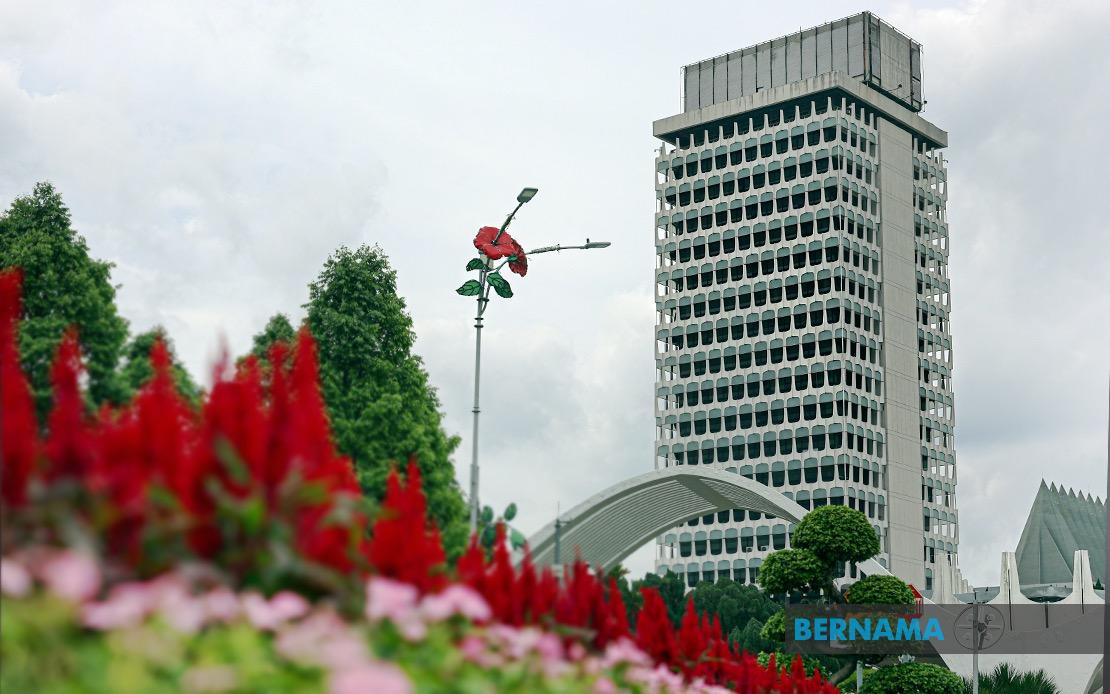
The Dewan Rakyat is scheduled to tackle several pressing national concerns today as parliamentarians quiz government ministers on climate preparedness, military operational safety and emerging health crises. The parliamentary session represents the final sitting of the 16-day Second Meeting of the Fifth Session of the 15th Parliament, with lawmakers expected to address questions that reflect both immediate security worries and longer-term strategic challenges facing the country.
Climate-driven agricultural vulnerability tops the agenda, with Bakti Jamaluddin from Tangga Batu pressing the Agriculture and Food Security Minister to outline comprehensive government strategies for mitigating El Niño impacts. This meteorological phenomenon, characterised by warmer-than-average ocean temperatures in the central and eastern Pacific, typically brings drier conditions to Southeast Asia and threatens crop yields across the region. The question signals growing parliamentary concern about Malaysia's susceptibility to climate disruption, particularly given the country's reliance on domestic food production and the potential for price volatility when harvests decline.
Bakti's inquiry extends beyond drought management to encompass multiple dimensions of food system resilience. He seeks clarity on how authorities plan to safeguard irrigation water availability during extended dry periods, maintain productivity in rice paddies that face moisture stress, and secure adequate feed supplies for the livestock sector. The question implicitly acknowledges Malaysia's vulnerability to external food price shocks and reflects the government's stated commitment to achieving greater national food self-sufficiency—a priority that has gained urgency amid global supply chain disruptions in recent years.
A separate parliamentary question addresses a more immediate operational failure within the military establishment. Datuk Mohd Isam Mohd Isa will interrogate the Defence Minister about circumstances surrounding a recent hand grenade explosion during a Malaysian Armed Forces training exercise. This incident raises fundamental questions about adherence to safety protocols and the adequacy of risk management systems within armed forces training facilities. The inquiry signals parliamentary expectation that the ministry will strengthen standard operating procedures and implement enhanced safety oversight to prevent tragic accidents during routine military training activities.
Federal capital governance reforms constitute another focus area as lawmakers examine structural changes to Kuala Lumpur City Hall operations. Tan Kok Wai from Cheras will press the Prime Minister to elaborate on administrative and governance reforms flowing from the recent Feasibility Study of the Federal Capital Act 1960. The line of questioning suggests parliamentary interest in enhancing institutional accountability, improving service delivery standards, and strengthening integrity mechanisms within the capital's municipal administration—issues that directly affect the lived experience of millions of residents in greater Kuala Lumpur.
Religious extremism and faith preservation emerge as another substantive theme in today's session. Sabri Aziz, representing Jerai, seeks government clarification on strategic approaches to combating the spread of unorthodox Islamic teachings across Malaysia and mechanisms for reintegrating individuals who have abandoned mainstream Islamic practice. This question reflects ongoing concerns about religious radicalisation and underscores parliamentary oversight of counter-extremism initiatives operating across federal and state jurisdictions.
Public health vulnerabilities among younger Malaysians will also command parliamentary attention when Datuk Dr Richard Rapu questions the Health Minister regarding rising non-communicable disease incidence. Statistics comparing 2024 and 2026 data on diabetes and hypertension among individuals below 30 years of age warrant scrutiny, as these conditions traditionally associated with ageing populations increasingly affect younger cohorts. This troubling epidemiological trend suggests lifestyle and metabolic challenges that warrant preventive policy attention.
Dr Rapu's inquiry also examines efficacy of the government's War on Sugar campaign and sugar tax enforcement mechanisms in reducing obesity prevalence. These questions probe whether fiscal and public health interventions targeting sugar consumption have translated into measurable improvements in population weight management outcomes. The line of questioning recognises that non-communicable disease prevention requires sustained commitment across multiple policy domains and measurement of actual behavioural impact rather than reliance on intervention deployment alone.
The parliamentary agenda concludes with tabling of the National Trust Fund Bill 2026 for second reading, representing significant legislative business that will advance into substantive parliamentary debate. This legislation presumably addresses mechanisms for long-term national financial stewardship or pension-related governance, though further details await ministerial introduction during today's session.
Today's sitting represents the culmination of a 16-day parliamentary session that has presumably addressed numerous items of government business and legislative proposals. The concentration of questions touching climate adaptation, military safety, municipal governance, religious integrity, and public health challenges reflects Parliament's broad constitutional responsibility to oversee executive performance across diverse policy domains. For Malaysian observers and Southeast Asian analysts tracking regional governance trends, today's parliamentary session illuminates current policy preoccupations of lawmakers and executive leadership as the country navigates interconnected challenges of climate vulnerability, institutional accountability and population health management.

