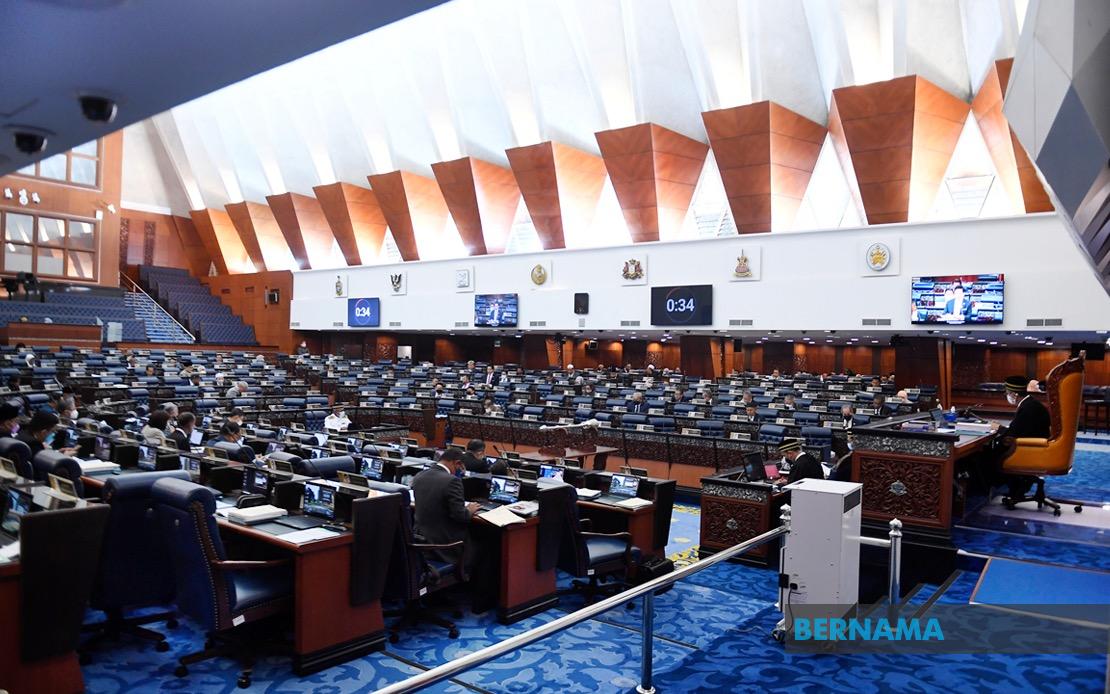
Parliamentary proceedings in Malaysia today are poised to scrutinise several contentious policy areas, with state funding equity and electoral conduct rules taking centre stage. The Dewan Rakyat will examine whether Federal Government allocations to state governments reflect fair distribution principles and adequately compensate for locally-generated revenue. These questions, tabled by representatives from multiple parliamentary coalitions, signal growing concern about whether resource allocation mechanisms favour certain states over others under the current MADANI Government framework.
Doris Sophia Brodi, the GPS member for Sri Aman, will press the Prime Minister on claims that states receive insufficient federal resources relative to the taxes and levies they contribute to the national treasury. Her inquiry seeks clarity on how the government intends to reform allocation mechanisms to address perceived imbalances. This line of questioning reflects frustration in state governments—particularly those not aligned with the federal coalition—over funding constraints that limit their capacity to deliver public services and develop local infrastructure.
Parallel concerns about electoral integrity will also emerge during today's sitting. Shahidan Kassim of Perikatan Nasional will ask whether the established ban on announcing new government projects after election nomination day remains enforceable, particularly in the context of upcoming state elections in Johor, Melaka and Negeri Sembilan. The restriction, designed to prevent the misuse of public resources for campaign purposes, has been a recurring point of contention. His questions about enforcement mechanisms suggest uncertainty over how rigorously the authorities monitor compliance, and whether penalties deter political actors from circumventing the rules.
For Malaysian voters and civil society, these questions carry practical significance. The fairness of federal funding directly affects whether citizens in one state receive comparable public services, infrastructure quality and social programme coverage compared to residents elsewhere. Similarly, the enforcement of project announcement rules influences whether elections occur on level playing fields or whether incumbent governments enjoy advantages through strategic infrastructure announcements. These issues sit at the intersection of federalism, resource management and democratic conduct.
The parliamentary agenda also reflects growing national anxiety about artificial intelligence and its misuse. Ismail Sabri Yaakob will ask the Communications Minister what steps the government is taking to strengthen media and digital literacy as deepfake technology becomes more accessible and potent. The proliferation of AI-generated manipulated videos and images poses direct risks to Malaysia's social cohesion and democratic processes, particularly as election cycles approach. Without robust public education and effective verification systems, citizens may struggle to distinguish authentic content from fabrications designed to mislead or inflame tensions.
The government's response to digital literacy and AI-generated misinformation will have regional implications. Southeast Asia, where Malaysia is a significant economy and influential voice, faces similar challenges as artificial intelligence tools proliferate. How authorities in Kuala Lumpur address deepfakes and content verification may shape approaches adopted by neighbouring countries. The Communications Minister's answer may reveal whether Malaysia intends to develop regional standards or coordinate with ASEAN peers on digital authenticity safeguards.
Beyond these headline issues, the parliament will address diverse policy concerns reflecting current development priorities. Chong Zhemin's question about electricity supply capacity for data centres and artificial intelligence industries points to Malaysia's ambitions to become a regional technology hub. The government must ensure infrastructure can sustain demand from these energy-intensive sectors while maintaining affordable supply for households. Energy transition challenges will occupy significant parliamentary attention, particularly as Malaysia balances economic diversification with sustainability commitments.
Social protection schemes and workforce participation will also feature prominently. Questions about the effectiveness of mySalam health insurance for the B40 income group, the redemption rate of MADANI Book Vouchers, and women's workforce re-entry through programmes like the Career Comeback Programme collectively indicate parliamentary focus on inclusive economic recovery. These initiatives directly affect living standards for vulnerable Malaysians and labour force participation rates crucial for long-term productivity and economic growth.
The parliamentary sitting will also consider amendments to significant legislation. Debate on the Sexual Offences Against Children (Amendment) Bill 2026 addresses child protection concerns, while consideration of Employment Insurance System amendments and the Cyber Crime Bill 2026 reflects evolving regulatory needs in employment relations and digital security. These bills indicate parliament's recognition that Malaysian law must adapt to contemporary challenges in workplace dynamics and cybercriminal activity.
The cumulative agenda reflects a parliament grappling with simultaneous pressures: resource distribution equity within the federation, electoral integrity and democratic conduct, technological disruption and digital threats, inclusive economic participation, and child protection. How legislators address these interconnected challenges will shape Malaysia's trajectory over coming years, affecting everything from state-federal relations to citizens' confidence in democratic processes and digital information environments.

