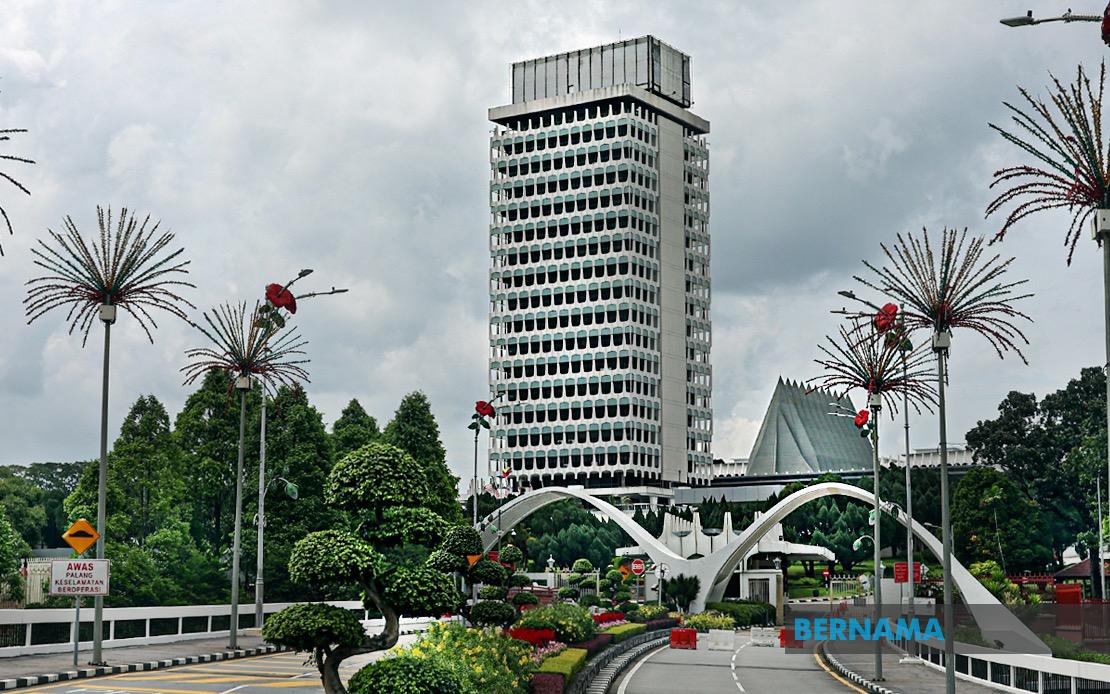
Parliament reconvenes today in Kuala Lumpur with an agenda spanning infrastructure financing, public health enforcement, and border management, reflecting ongoing legislative priorities across multiple government portfolios. The 16-day parliamentary sitting, which concludes on July 16, opens amid continued scrutiny of major infrastructure projects and emerging social issues affecting young Malaysians, signalling the breadth of concerns facing lawmakers across the political spectrum.
The proposed East Coast Expressway Phase 3 will command significant attention during Question Time, with Wan Hassan Mohd Ramli from Dungun pressing the Works Minister on the government's rationale for pursuing the project through a public-private partnership arrangement rather than conventional public financing. This line of questioning reflects broader parliamentary interest in understanding how PPP models affect ordinary Malaysians, particularly through toll structures and implementation schedules that can shape regional connectivity and economic activity for years to come.
Infrastructure development through PPP arrangements has become increasingly common in Malaysia, yet such projects remain controversial given their long-term financial implications for users and taxpayers. The decision to adopt this financing model for LPT3 carries considerable weight for East Coast communities and logistics operators who depend on efficient transportation networks. By seeking clarity on toll implications and project timelines, lawmakers are attempting to ensure public interests remain protected in deals that typically extend decades into the future.
Concurrent with infrastructure concerns, Parliament will address what has emerged as a significant public health challenge: the proliferation of vaping products among Malaysian youth. Datuk Mas Ermieyati Samsudin will question the Home Minister regarding enforcement strategies designed to dismantle syndicates that deliberately target school-age consumers with these harmful products. This inquiry underscores growing alarm among policymakers about nicotine addiction and potential gateway effects among young people during crucial developmental years.
The vaping issue has evolved from a niche concern into a matter commanding cross-party attention, reflecting recognition that uncontrolled distribution networks threaten youth health outcomes. Enforcement challenges remain substantial, as illegal operators adapt distribution methods to evade regulatory scrutiny. Parliamentary pressure on enforcement agencies signals that current measures may be viewed as insufficient, potentially foreshadowing more aggressive regulatory or legislative responses.
Beyond health concerns, the parliamentary agenda touches on border management efficiency, with P. Prabakaran directing questions to the Home Minister about congestion at entry points and immigration clearance delays. These persistent bottlenecks affect tourism competitiveness, business efficiency, and traveller experience, making border flow management a matter of economic consequence for Malaysia and the broader region.
Southeast Asian travel dynamics have intensified post-pandemic, straining immigration infrastructure across the region. Malaysia's ability to process arrivals and departures smoothly directly influences its competitive positioning as a business hub and tourist destination. Parliamentary questioning on this matter reflects constituency concerns about economic productivity losses and reputational impacts associated with sluggish border operations.
Healthcare system efficiency will also come under examination when Salamiah Mohd Nor questions the Health Minister about digital health initiatives including MySejahtera and electronic health records systems. These platforms represent significant government investments aimed at reducing physical congestion at government hospitals by enabling remote consultations and streamlined patient management. Parliament will seek evidence of whether these digital tools have delivered promised efficiency gains or whether bottlenecks persist despite technological implementation.
The effectiveness of digital health infrastructure has implications extending beyond hospital management, touching on broader healthcare accessibility for Malaysians across socioeconomic levels. Questions about MySejahtera and electronic health records reflect parliamentary concern that technology investments translate into tangible improvements in service delivery rather than merely creating additional layers of bureaucratic complexity.
Following Question Time, Parliament will proceed to a winding-up debate on the Human Rights Commission of Malaysia's 2024 Annual Report and Financial Statements, a session that typically examines the institution's performance, budget utilisation, and strategic effectiveness. This debate provides opportunity for assessing how SUHAKAM has addressed human rights concerns during the reporting period and whether its institutional capacity aligns with expanding human rights challenges.
The parliamentary calendar reflects governance challenges spanning physical infrastructure, emerging health threats, border administration, and healthcare service delivery. This diversity of issues demonstrates that parliamentary oversight extends across multiple domains affecting Malaysian citizens' daily lives and long-term prosperity. Each line of questioning carries implications for policy direction and resource allocation in coming months.

