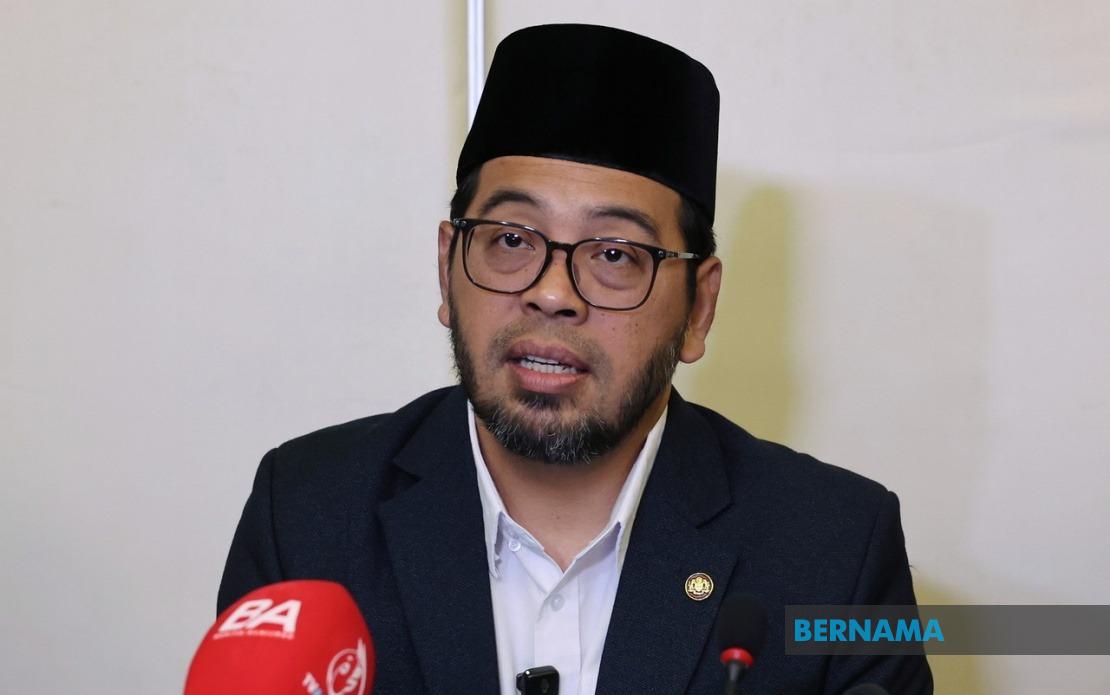
Malaysia's parliament convenes tomorrow for a critical debate on the Royal Commission of Inquiry report examining Lembaga Tabung Haji's troubled operations between 2014 and 2020, marking a significant moment in holding public institutions accountable to legislative oversight. Dr Zulkifli Hasan, Minister in the Prime Minister's Department (Religious Affairs), will present the ministerial briefing during the special sitting scheduled to commence at 10 am, with Finance Minister II Datuk Seri Amir Hamzah Azizan expected to participate in the parliamentary winding up process.
The 211-page RCI report, made available to the public on July 29 following government approval to disclose its contents, represents a watershed moment for transparency in Malaysia's governance framework. Rather than keeping the commission's findings confidential as has sometimes occurred with similar inquiries, the administration opted for full disclosure, enabling lawmakers and the public to examine the facts surrounding the administration of Malaysia's prominent Islamic pilgrimage savings body. This decision underscores a broader commitment to openness regarding institutional failures, particularly those affecting the financial security of hundreds of thousands of ordinary Malaysians who rely on Tabung Haji for their hajj journey arrangements.
Zulkifli's remarks in a brief video statement indicated that the Cabinet has moved beyond mere fact-finding into enforcement territory, signalling that individual responsibility will be assigned for lapses identified in the inquiry. The assurance that "action should be taken against those involved in the case" suggests the government intends to pursue accountability mechanisms, whether administrative discipline, legal proceedings, or other remedial measures. This commitment responds to public expectations that institutional failures carry consequences for decision-makers, not merely structural reforms.
Parliament's engagement with the RCI report reflects the Dewan Rakyat's evolving role as a genuine forum for scrutinising executive performance and institutional management. The special sitting provides backbenchers and government supporters alike the opportunity to examine governance failures in an institution that sits at the intersection of religious administration and financial management. For Malaysia's diverse parliament, the Tabung Haji matter carries particular resonance given the organisation's significance to the Muslim majority population and its role in facilitating one of Islam's five pillars.
Communications Minister Datuk Seri Fahmi Fadzil's earlier indication that at least 40 members of parliament had registered to participate in the debate underscores the cross-party interest in the proceedings. Such widespread engagement suggests MPs recognise the broader implications of the RCI's findings—that governance deficiencies in major public institutions demand detailed parliamentary interrogation. The breadth of participation indicates this is not merely a government accountability exercise but rather a matter spanning multiple constituencies and political perspectives.
The substance of the RCI's investigation into Tabung Haji's management and operations carries implications extending beyond administrative reform. The seven-year period under examination encompassed significant economic challenges for Malaysia, including commodity price fluctuations and evolving fiscal pressures. Understanding what governance failures occurred during this period—whether through inadequate oversight, investment misjudgements, operational inefficiency, or other causes—helps parliament and the public assess both institutional capacity and the safeguards necessary for managing public financial bodies.
From a Southeast Asian perspective, Malaysia's approach to handling the Tabung Haji matter exemplifies how regional democracies increasingly embrace transparency and accountability mechanisms. Unlike some neighbouring jurisdictions where institutional investigations remain confidential or findings are selectively disclosed, Malaysia's decision to publicly release the RCI report and subject it to parliamentary debate sets a standard for institutional governance in the region. This openness regarding public body management strengthens confidence in democratic institutions generally.
The parliamentary debate will enable detailed examination of the RCI's methodology, findings, and recommendations, potentially revealing not only what went wrong but also systemic gaps requiring legislative or regulatory correction. Lawmakers can probe whether existing oversight frameworks sufficiently protect public financial bodies from mismanagement, whether audit mechanisms functioned adequately, and what structural changes might prevent recurrence. Such granular discussion contributes to incremental improvements in Malaysia's governance infrastructure.
For Tabung Haji beneficiaries—comprising approximately 10 million account holders across Malaysia—tomorrow's parliamentary proceedings offer indirect reassurance that their savings body is receiving renewed scrutiny and corrective attention. The public airing of institutional deficiencies, though potentially uncomfortable, signals that accountability mechanisms function and that failures trigger consequences. This transparency can help restore confidence in an organisation vital to millions of Malaysian pilgrims' financial planning.
The involvement of both the Minister in the Prime Minister's Department (Religious Affairs) and the Finance Ministry in tomorrow's proceedings reflects the interconnected nature of Tabung Haji's mandate—balancing religious significance with sound financial stewardship. That both portfolio holders will participate in winding up the debate suggests a coordinated government response to the RCI's findings, likely presenting a unified narrative regarding remedial measures and future safeguards.
As parliament prepares to debate the RCI report, the proceedings represent more than a routine legislative exercise. They constitute an opportunity for Malaysia's elected representatives to demonstrate that institutional accountability, regardless of political sensitivities or established customs, receives serious parliamentary attention. The outcome may influence how other public bodies respond to scrutiny and whether governance improvements emerge from the inquiry process.

