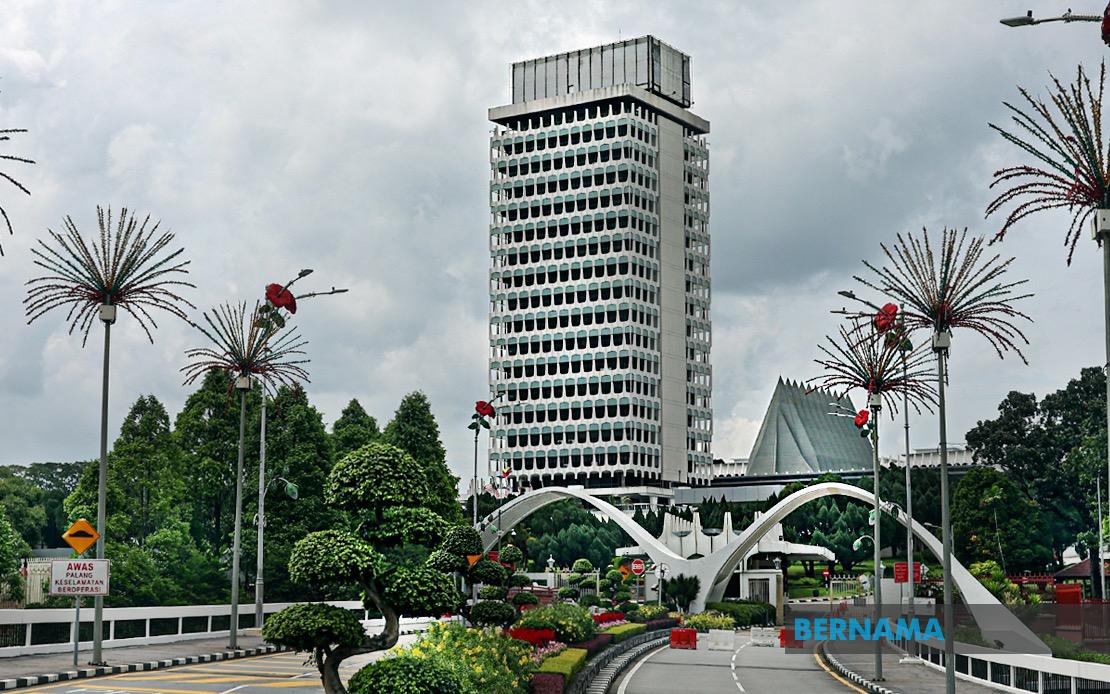
Malaysia's Parliament convenes today for the opening of its second meeting, with lawmakers prepared to grapple with pressing economic and governance matters affecting the nation. Among the most urgent topics on the agenda is the cascading economic fallout from ongoing disruptions in the Strait of Hormuz, one of the world's most critical maritime chokepoints through which roughly one-third of global seaborne trade transits. The discussions will probe how these geopolitical tensions reverberate through Malaysian supply chains, labour costs, and consumer price stability—concerns that carry particular weight given regional economic interconnections and Malaysia's reliance on stable shipping corridors.
Datuk Dr Richard Rapu @ Aman anak Begri, representing Betong under the GPS banner, will direct formal questioning at the Economy Minister to extract the government's latest assessment of how Hormuz disruptions have damaged domestic competitiveness. His inquiry will focus specifically on the heightened operational expenses facing Malaysian manufacturers and exporters, alongside updated inflation figures for the second quarter of 2026. Beyond immediate cost pressures, he seeks understanding of how policymakers intend to sustain the nation's Gross Domestic Product expansion targets should the global economy slide into prolonged recession—a scenario that would compound the effects of shipping delays and insurance premium spikes already straining corporate balance sheets.
The Strait of Hormuz serves as a critical arterial passage for petroleum and liquefied natural gas destined for Asian markets, including Malaysia. Any disruption reverberates instantly through energy prices and freight costs, filtering down to manufacturing sectors dependent on imported raw materials and components. For Malaysian petrochemical producers, refineries, and downstream industries, the cumulative effect creates a cost-push inflation dynamic that erodes margins and raises consumer prices. Parliament's focus on contingency strategies under the 13th Malaysia Plan reflects governmental awareness that structural resilience—diversified supply routes, strategic reserves, domestic production capacity—requires deliberate planning and capital allocation.
Another significant parliamentary focus turns to religious and social administration. Onn Abu Bakar, representing Batu Pahat under the Pakatan Harapan coalition, will raise questions with the Prime Minister regarding the overhauling of Malaysia's haj pilgrimage system ahead of the 2027 season. The haj represents both a profound spiritual obligation for Muslim Malaysians and an administrative challenge involving thousands of pilgrims, coordinated travel, accommodation, and health protocols. His questioning targets three interconnected pain points: the financial burden on individual pilgrims, extended waiting periods that can stretch years, and ensuring adequate welfare and medical support throughout the demanding pilgrimage. These concerns speak to perennial grievances within Malaysia's Muslim communities and reflect broader questions about equitable access to religious observance across socioeconomic strata.
The government's commitment to reforming haj administration carries implications beyond spiritual devotion. The system touches matters of public finance, equity, administrative efficiency, and social welfare—domains where Malaysia's performance shapes public confidence in institutional governance. Delays in hajj cycles force families to defer participation, creating bottlenecks; rising costs exclude lower-income Malaysians; and logistical failures abroad can tarnish Malaysia's international standing and strain bilateral relations with Saudi Arabia. Parliament's scrutiny signals political acknowledgment that this arena demands fresh approaches, whether through technology deployment, financing innovations, or partnerships with travel providers.
Digital governance emerges as a third critical theme. Wong Shu Qi, the Kluang representative from Pakatan Harapan, will interrogate the Digital Minister regarding the proposed Artificial Intelligence Governance Bill, specifically whether it robustly criminalises and deters malicious applications of AI technology. Her concerns encompass synthetic child sexual abuse material produced through AI deepfakes, identity spoofing schemes that undermine personal security, and non-consensual distribution of explicit imagery—harms that flourish in digital environments and inflict severe psychological trauma on victims. Malaysia, like many Southeast Asian nations, has grappled with rapid technological adoption outpacing regulatory frameworks. The parliamentary inquiry reflects recognition that AI's transformative potential carries dual-use risks requiring explicit legal guardrails.
Food security emerges as another fronting concern amid Middle East instability. Datuk Dr Radzi Jidin from Putrajaya, representing Perikatan Nasional, will press the Agriculture and Food Security Minister for comprehensive disclosure of intervention programmes spanning short-term crisis response, medium-term stabilisation, and long-term structural resilience. Conflict in the Middle East disrupts agricultural commodity flows, fertiliser supplies, and trade corridors upon which food-importing nations depend. Malaysia, with limited arable land and a growing population, faces genuine vulnerabilities in securing affordable food stocks. The parliamentary questioning seeks to establish whether government strategies address this vulnerability through domestic production enhancement, strategic reserves, trade diversification, or other mechanisms.
Beyond the questions-and-answers sessions, Parliament's agenda encompasses tabling of substantive legislation. The Cybercrime Bill 2026 represents an effort to modernise Malaysia's criminal law framework for digital-age threats including hacking, online fraud, and data breaches. Simultaneously, amendments to the Road Transport Act 1987 signal attention to vehicular safety, licensing, and traffic management—areas where regulatory updates reflect evolving vehicle technologies and road safety imperatives. Both bills will undergo parliamentary scrutiny, debate, and amendment before potential passage, underscoring Parliament's role in translating governance priorities into enforceable law.
The parliamentary sitting extends across sixteen legislative days, concluding on July 16, providing sufficient calendar space for deliberation on complex matters. This duration permits not merely rapid passage of government priorities but genuine examination and amendment, should opposition and crossbench members successfully articulate concerns and propose alternatives. The breadth of agenda items—from macroeconomic resilience through maritime supply chains, to religious observance administration, digital rights protection, food security, and criminal law modernisation—reflects the multifaceted challenges confronting contemporary Malaysia.
For Malaysian businesses and investors, parliamentary proceedings carry material significance. Hormuz-related discussions may foreshadow government interventions, subsidy mechanisms, or trade negotiations affecting corporate operational costs. Haj system reforms could reshape spending patterns among Muslim Malaysian households and influence travel and hospitality sectors. AI governance frameworks will constrain or enable technology companies' strategic options. Food security policies influence agricultural investment and food processing industries. Road transport amendments may reshape logistics operations. Collectively, these parliamentary debates shape the regulatory and economic environment within which Malaysian enterprises operate, making the outcomes of today's proceedings worthy of sustained attention from business stakeholders and policy-conscious citizens alike.

%22%2F%3E%3C%2Fpattern%3E%3C%2Fdefs%3E%3Crect%20width%3D%22100%25%22%20height%3D%22100%25%22%20fill%3D%22url(%23ph2c9vsg)%22%2F%3E%3Crect%20width%3D%22100%25%22%20height%3D%22100%25%22%20fill%3D%22url(%23ph2c9vsp)%22%2F%3E%3Ctext%20x%3D%2250%25%22%20y%3D%2250%25%22%20text-anchor%3D%22middle%22%20dominant-baseline%3D%22central%22%20fill%3D%22rgba(255%2C255%2C255%2C0.95)%22%20font-family%3D%22Georgia%2C%20'Times%20New%20Roman'%2C%20serif%22%20font-weight%3D%22700%22%20font-size%3D%22136%22%20letter-spacing%3D%22-0.02em%22%3EParliament%3C%2Ftext%3E%3C%2Fsvg%3E)