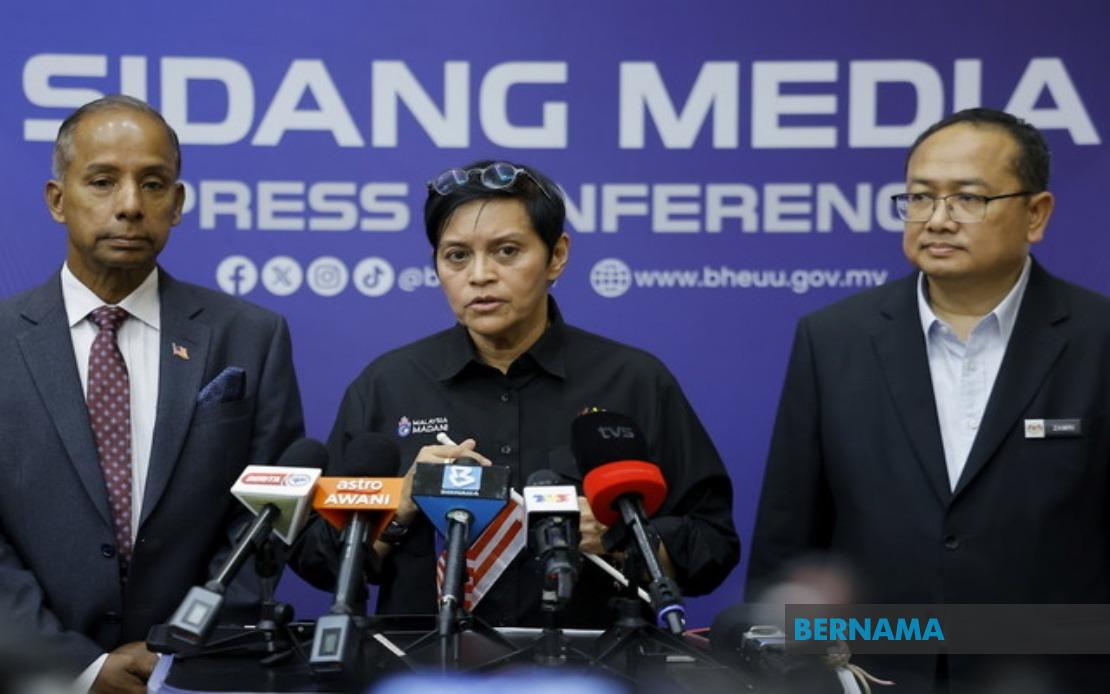
Malaysia's proposed Freedom of Information Bill 2026 will undergo detailed parliamentary scrutiny beginning tomorrow as a dedicated Select Committee convenes to evaluate the draft legislation before it is formally presented to Parliament. Datuk Seri Azalina Othman Said, the Minister in the Prime Minister's Department (Law and Institutional Reform), will lead the committee's proceedings, marking the opening phase of what is expected to be a comprehensive review process extending through the current parliamentary session.
The inaugural meeting of the Select Committee will establish the foundational framework for its investigation, with committee members dedicating the session to finalising the terms of reference that will guide subsequent deliberations. This structural approach permits the committee to chart a clear methodological path through the substantive questions surrounding the Bill's scope, implementation mechanisms, and alignment with existing legal frameworks. Azalina emphasised that the committee's composition reflects cross-party cooperation, with members drawn from multiple political groupings to ensure diverse perspectives inform the legislative review process.
The framework represented by the Freedom of Information Bill represents a significant evolution in Malaysia's approach to governmental transparency. The legislation establishes a formalised procedural mechanism governing how Malaysian citizens may access official information held by public authorities. Eligibility extends to any Malaysian citizen aged 18 and above, who may submit written applications seeking access to specific categories of government-held documents and information previously subject to limited public disclosure frameworks.
Yet the draft Bill incorporates substantial limitations that have generated considerable debate among civil society organisations and professional bodies. The published version preserves the operational effect of existing secrecy legislation, most notably the Official Secrets Act 1972, which remains capable of exempting entire categories of government information from mandatory disclosure. This structural feature reflects a fundamental tension within the proposed law—establishing access rights while simultaneously maintaining robust protections for information deemed sensitive under established statutory frameworks.
Civil society stakeholders have articulated concerns that the Bill's current parameters are insufficiently expansive, with numerous commentators arguing that transparency protections should extend considerably further. Azalina acknowledged these submissions during her remarks, indicating that committee deliberations will critically evaluate whether the Bill's scope adequately addresses demands from NGOs and professional associations for more comprehensive access provisions. This recognition signals ministerial receptiveness to substantive reframing of the legislation's boundaries, though any eventual broadening would require committee consensus and parliamentary approval.
The legislative journey toward this committee review commenced formally in mid-July when Azalina announced the government's intention to refer the Bill for Select Committee examination rather than proceeding directly to parliamentary debate. This procedural choice represents a deliberate decision to utilise the parliamentary committee system as a mechanism for deepening engagement with lawmakers and external stakeholders, thereby incorporating diverse viewpoints before the legislation reaches its critical parliamentary votes. Such an approach potentially strengthens the Bill's ultimate legitimacy, even if it extends the timeline for enactment.
For Malaysian readers and regional observers, the Freedom of Information Bill represents a watershed moment in the country's governance architecture. Freedom of information regimes have become increasingly standard across democratic and developing jurisdictions globally, reflecting widespread recognition that governmental transparency strengthens accountability mechanisms and supports more informed public participation in civic discourse. Malaysia's legislative framework has historically operated with relatively restrictive information-access norms, making this Bill potentially transformative in establishing new expectations regarding public authority behaviour.
The committee's engagement with stakeholder submissions will prove crucial in determining whether the final Bill substantively advances freedom of information principles or merely creates procedural facades masking continued governmental discretion over sensitive categories of documents. The Official Secrets Act exemptions present particular challenges, as these provisions enable classification decisions made through executive processes largely insulated from independent judicial or parliamentary review. Balancing national security requirements—a legitimate governmental concern—against public access rights constitutes the central challenge facing committee deliberations.
Regional implications merit consideration, as Malaysia's approach to legislative transparency influences broader Southeast Asian debates concerning governance standards and institutional accountability. Countries throughout the region grapple with comparable tensions between promoting transparent governance and maintaining security-related information protections. The design choices Malaysia incorporates into its Freedom of Information Bill will likely inform discussions occurring in neighbouring jurisdictions contemplating their own legislative responses to transparency demands.
The Select Committee's timeline for completing its work remains anchored to the next parliamentary sitting, suggesting that preliminary recommendations should emerge within weeks rather than months. This compressed schedule reflects governmental interest in advancing the Bill through subsequent parliamentary stages expeditiously, though committee members will presumably require adequate time for meaningful deliberation given the legislation's constitutional and administrative significance. The ultimate scope of the Bill will substantially depend on how thoroughly the committee integrates stakeholder feedback and whether committee consensus emerges regarding optimal balance between access and exemption provisions.
Azalina's leadership of the committee places responsibility directly with a senior minister particularly focused on institutional reform issues, signalling governmental priority regarding this legislative initiative. The bipartisan composition of the committee enhances prospects for securing broad parliamentary support once recommendations are presented, assuming that cross-party consensus emerges during deliberations. The coming weeks will determine whether Malaysian policymakers embrace a more expansive transparency regime or maintain substantially existing restrictions on governmental information access through selective application of exemption provisions.

