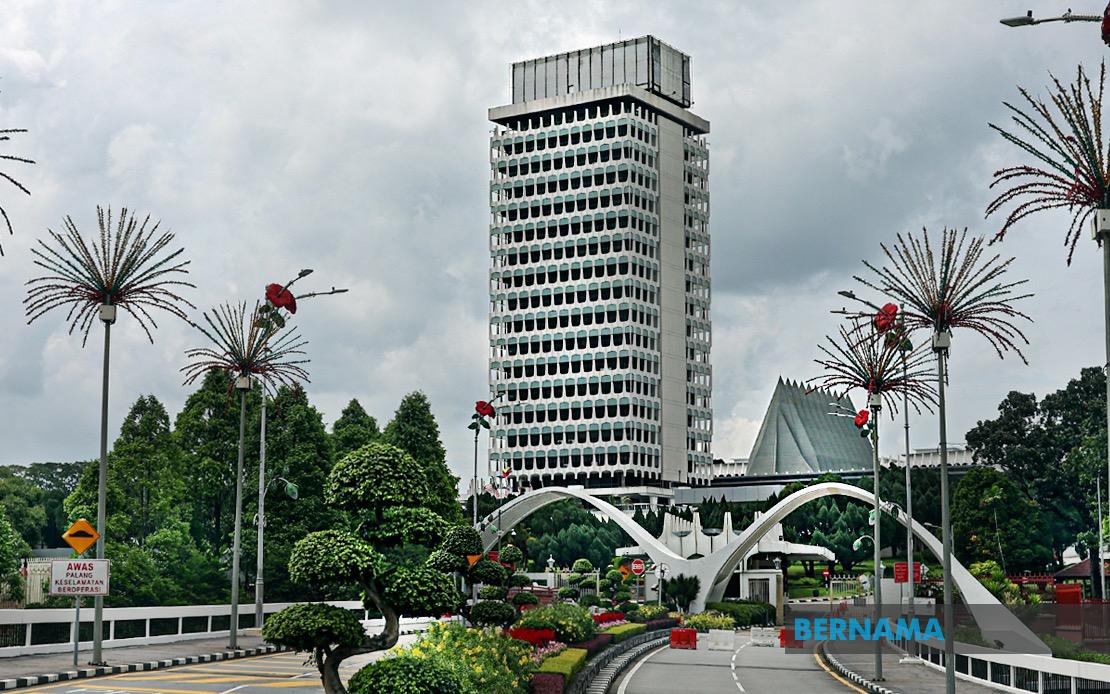
The 15th Parliament's Fifth Session opened with a measured legislative pace, as lawmakers passed only a single Bill during the opening week that ran from June 22 to July 16. The Road Transport (Amendment) Bill 2026 became the sole piece of legislation to clear both chambers, introducing new enforcement mechanisms to combat dangerous driving behaviour on Malaysian roads. Transport Minister Anthony Loke unveiled the legislation as a watershed moment in addressing a longstanding enforcement gap, describing it as a critical step forward in protecting road users from reckless drivers.
The centrepiece of the amendment introduces Section 42A into Malaysia's road transport framework, fundamentally altering how authorities may intervene against illegal street racing and dangerous driving. Previously, enforcement action required authorities to establish a causal link between the offending behaviour and tangible harm—an accident, injury, or fatality must have already occurred. This evidentiary burden created a prosecutorial bottleneck that allowed dangerous drivers to operate with relative impunity. The new provision removes this requirement, enabling police and highway authorities to initiate enforcement action the moment illegal racing is detected, regardless of whether an accident has transpired. The change addresses what Loke characterised as an existing legal loophole that undermined public safety on Malaysian highways and urban roads.
Beyond the immediate legislative outcome, Loke signalled his ministry's broader agenda on road safety reform. The Transport Ministry intends to table a second amendment to the Road Transport Act (Act 333) before year's end, introducing a compensation regime for victims of drink-driving and drug-impaired driving incidents. This represents a departure from Malaysia's existing approach, which emphasises criminal punishment through fines and imprisonment without establishing a dedicated compensation mechanism. The new framework would provide financial redress to injured victims or their families when impaired driving causes harm, aligning Malaysian practice with international precedents in countries where driver liability schemes operate in tandem with criminal penalties. The dual approach reflects growing recognition that criminal sanctions alone may inadequately address the economic devastation wrought by traffic accidents.
Parliament's legislative productivity, however, appeared constrained by procedural delays and committee reviews. The Prison (Amendment) Bill 2026, which proposed provisions for electronic monitoring of prisoners and volunteer rehabilitation programmes, was withdrawn from the current sitting and referred back to the Parliamentary Select Committee for deeper examination. This postponement suggests that substantive policy disagreements or technical concerns require additional deliberation before the measure advances. Meanwhile, four additional Bills received their first reading without progressing further: the Sexual Offences Against Children (Amendment) Act 2026, Competition (Amendment) Bill 2026, Competition Commission (Amendment) Bill 2026, and the Cybercrime Act 2026. The Cybercrime Act represents a particularly significant initiative, as it seeks to repeal the decade-old Computer Crimes Act 1997, reflecting Parliament's recognition that digital law enforcement requires updating to address contemporary cyber threats.
Operational matters also occupied parliamentary attention during the opening week. Speaker Tan Sri Johari Abdul formalised the reinstatement of Larut Member of Parliament Datuk Seri Hamzah Zainudin to the opposition leadership position, effective June 18. Separately, the Speaker confirmed two casual vacancies arising from the May 18 resignations of Datuk Seri Rafizi Ramli (Pandan) and Nik Nazmi Nik Ahmad (Setiawangsa). The Election Commission has been formally notified and will manage the by-election process in accordance with Article 54(1) of the Federal Constitution. These administrative matters, while procedurally routine, reflect the ongoing flux within Parliament's composition and opposition rank structure.
Question time procedures underwent temporary modification during the week, as Prime Minister Datuk Seri Anwar Ibrahim's Minister's Question Time slots on Tuesdays and Thursdays were transferred to relevant sectoral ministers due to the Prime Minister's competing commitments. This accommodation reflects the administrative flexibility that Parliament maintains for executive leaders managing concurrent responsibilities. Meanwhile, several Parliamentary Select Committees were allocated time to present findings and facilitate deliberation on their investigative reports, consistent with Parliament's ongoing effort to enhance the profile and utility of committee work.
Unemployment emerged as a central concern animating parliamentary discussion throughout the opening week. Human Resources Minister Datuk Seri R. Ramanan disclosed that 42,807 workers faced retrenchment between January and June 12, with corporate closures and workforce downsizing identified as predominant causal factors. This figure signals continuing labour market stress in the post-pandemic environment, particularly as manufacturing and service sectors navigate volatile global conditions. However, Economy Minister Akmal Nasrullah Mohd Nasir offered a more sanguine assessment, noting that June job losses declined 20 per cent compared to May, while the labour force participation rate remained stable at 70.9 per cent. This divergence between raw retrenchment figures and month-to-month trend improvement underscores the complexity of interpreting labour market signals in periods of economic transition.
Border security captured parliamentary attention as Home Minister Datuk Seri Saifuddin Nasution Ismail announced government approval for RM22 million in funding to strengthen the Malaysia Border Control and Protection Agency. This allocation will equip border personnel with firearms and ancillary equipment, reflecting acknowledgment that Malaysia's maritime and land boundaries require enhanced enforcement capacity. The investment arrives amid persistent challenges related to human smuggling, narcotics trafficking, and irregular migration across Southeast Asian borders—issues that continue to preoccupy law enforcement and national security agencies throughout the region.
Commodities policy represented another substantive topic of parliamentary deliberation. The Ministry of Plantation and Commodities flagged its assessment of rolling out B50 biodiesel fuel blends—a measure that would enhance biofuel content in transport fuel and reduce carbon intensity. However, the ministry identified a significant constraint: existing blending depots throughout Malaysia would require expensive upgrades to accommodate the higher biodiesel concentration safely. This technical bottleneck illustrates how climate transition objectives may encounter infrastructure impediments that demand substantial capital investment. The ministry's cautious approach reflects the tension between environmental objectives and practical implementation challenges.
Online safety regulation emerged as a final priority area, with Communications Minister Datuk Fahmi Fadzil highlighting the enforcement of the Child Protection Code and Risk Mitigation Code, both operative since June 1. These regulations mandate that social media platforms implement age-verification systems to shield younger users from age-inappropriate content and interactions. Non-compliance carries substantial penalties reaching RM10 million under the Online Safety Act 2025. This regulatory architecture reflects growing governmental concern across Southeast Asia regarding the adequacy of platform safeguards for minors, particularly as digital engagement intensifies among younger populations throughout the region. Malaysia's enforcement approach aligns with broader regional and global momentum toward legislated platform accountability.
The opening week's relatively modest legislative output—a single Bill passed—may reflect the inherent rhythm of parliamentary sessions, where opening weeks typically address procedural matters, allow for comprehensive committee work, and permit substantive policy deliberation before accelerated legislative schedules commence. The range of issues debated, from road safety to labour markets, border protection to digital regulation, demonstrates Parliament's engagement with Malaysia's contemporary policy challenges. As the 16-day sitting progresses toward July 16, observers will monitor whether the initial measured pace accelerates or whether Parliament's productivity remains constrained by competing priorities and the extended review processes now characterising committee-driven legislation.

